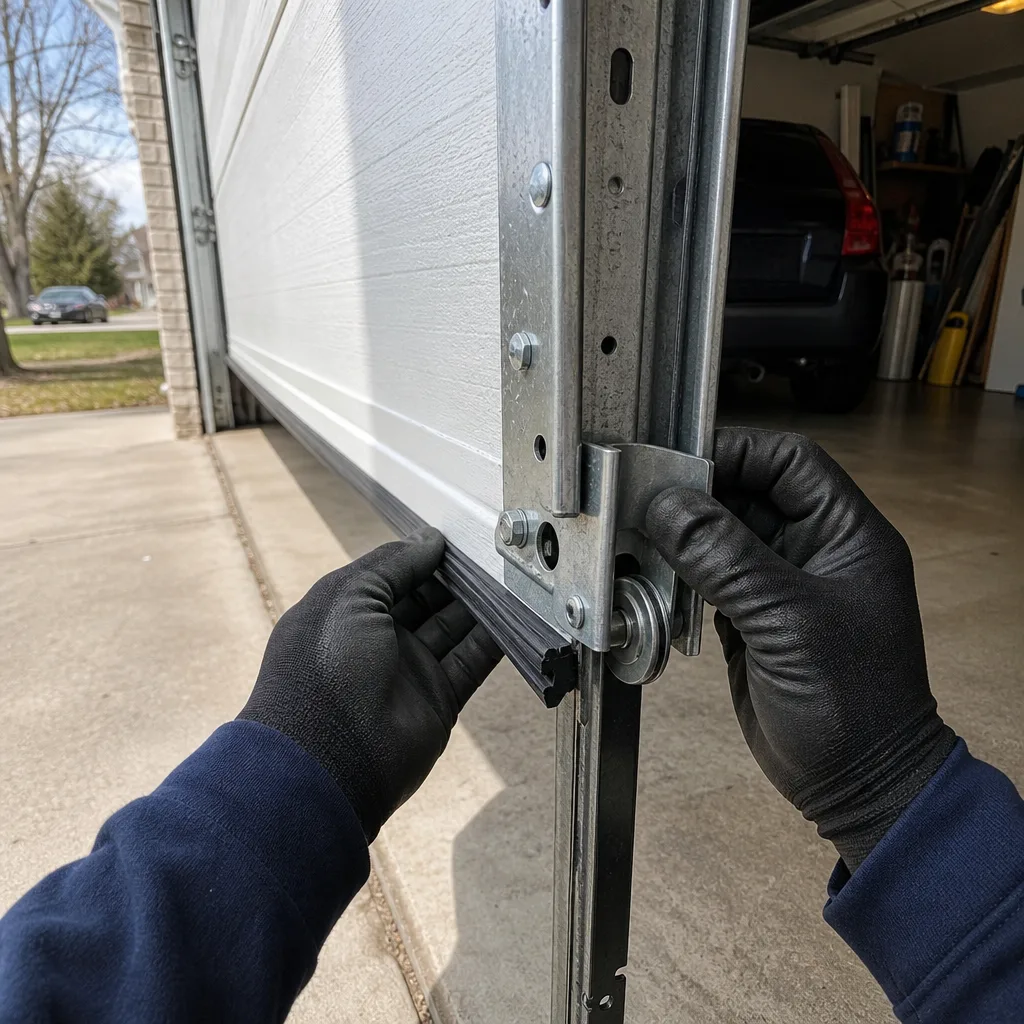
Last updated November 22, 2026
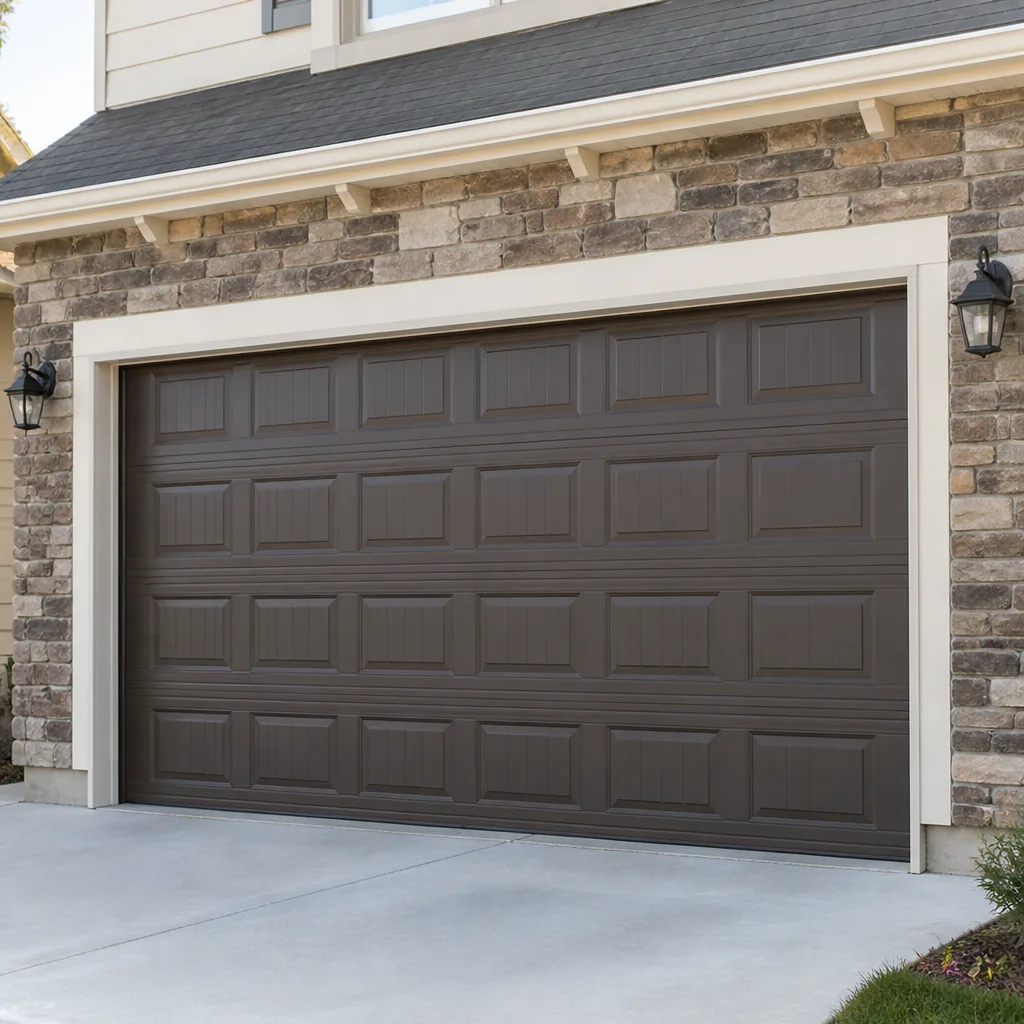 Raised-panel steel
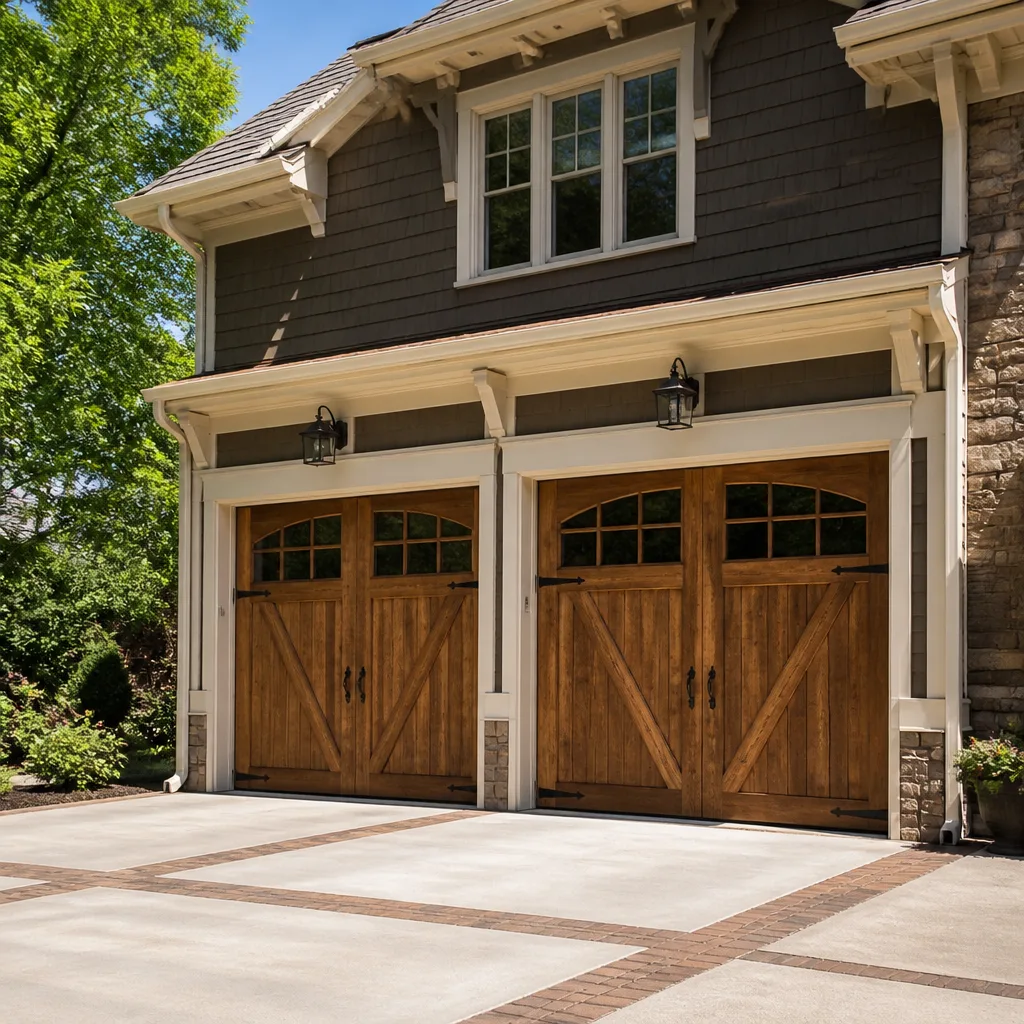 Carriage house
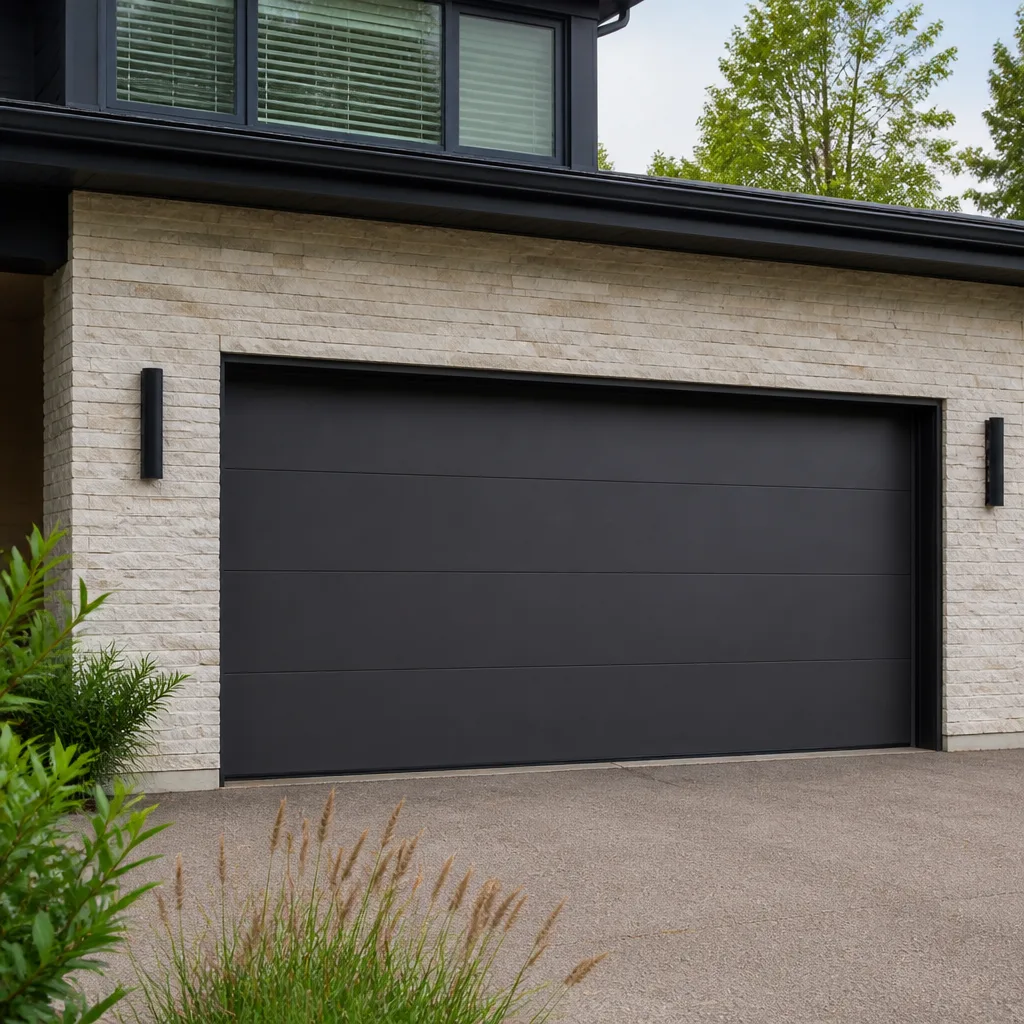 Modern flush
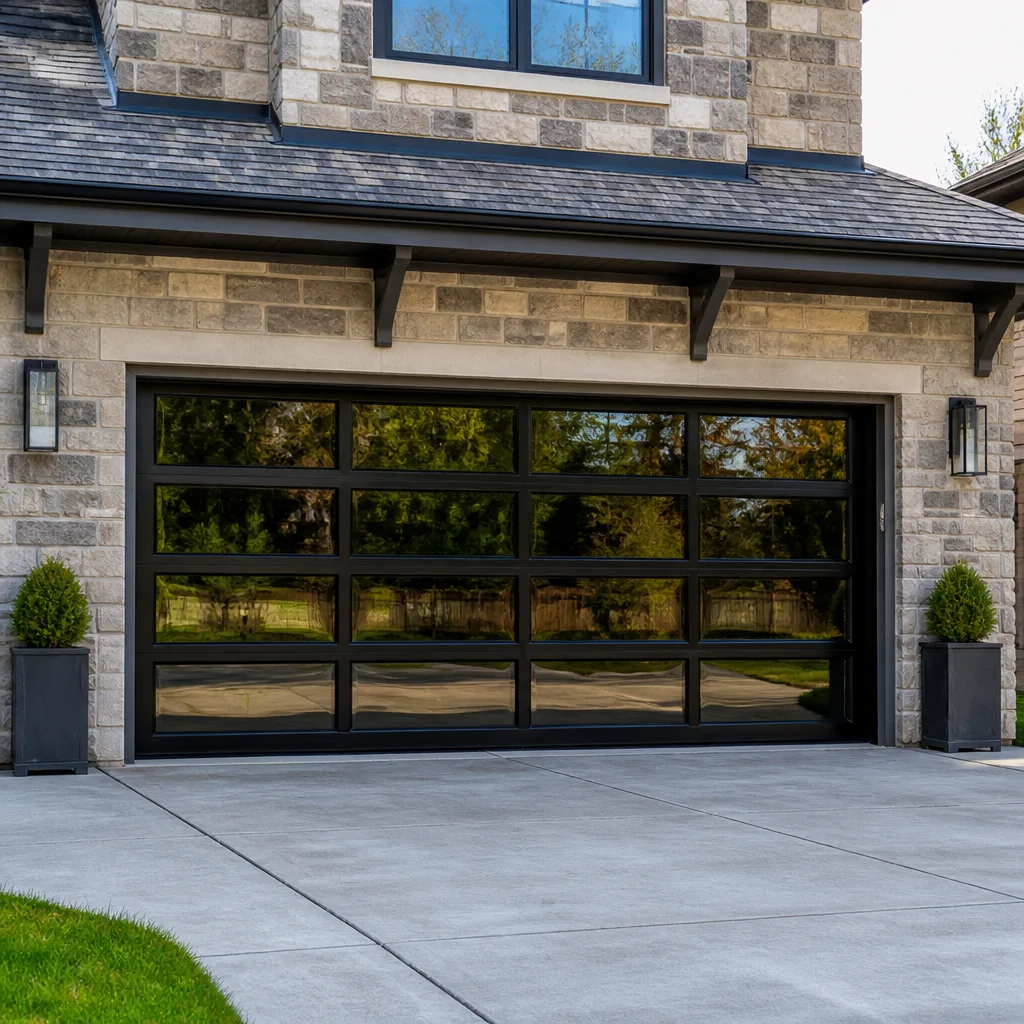 Full-view glass
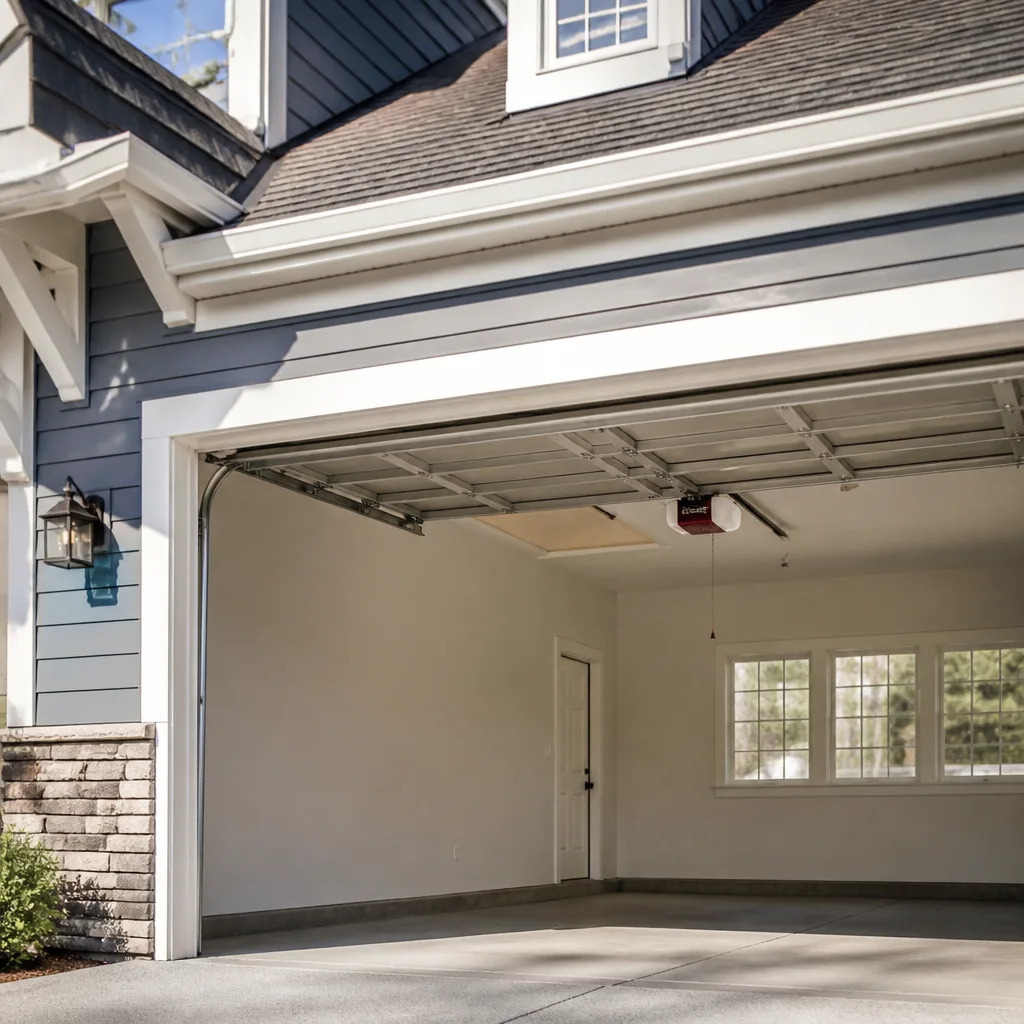 LiftMaster openers
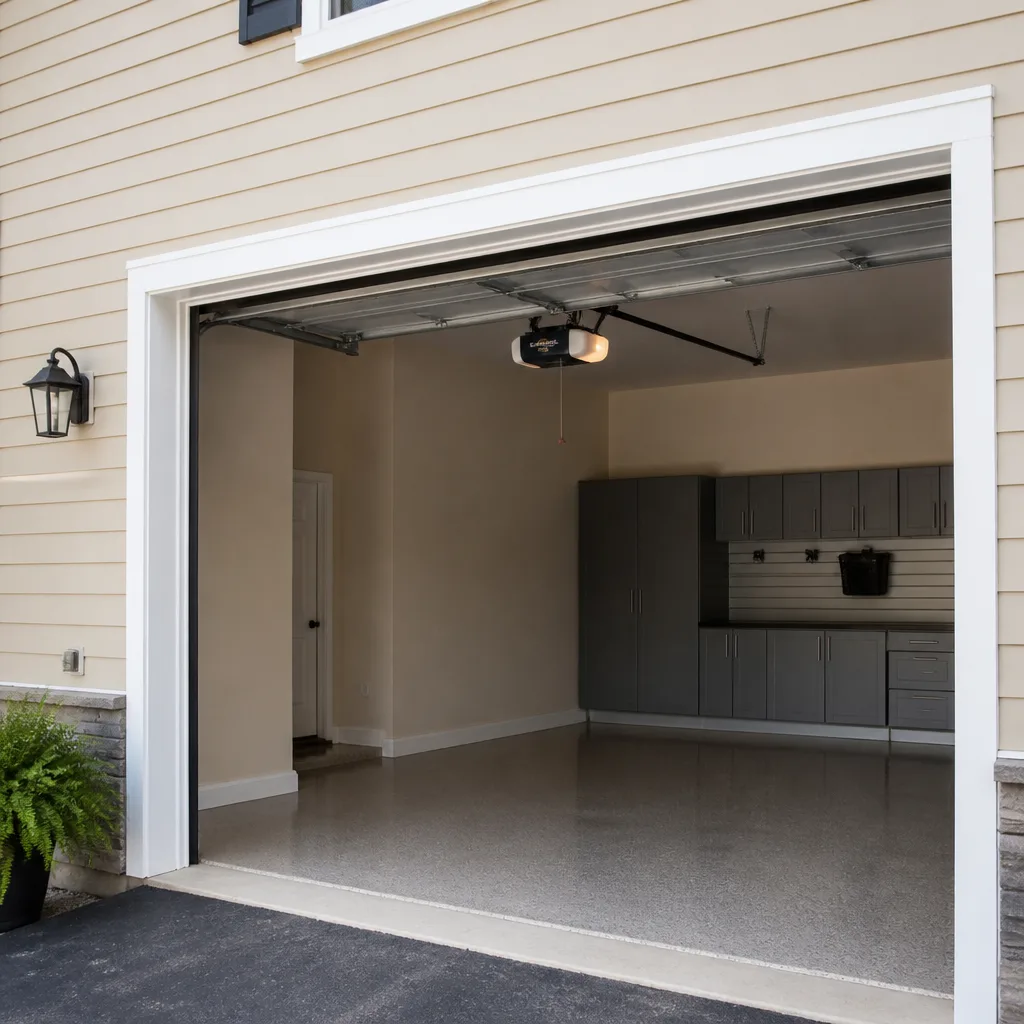 Chamberlain openers
Full 25-point door and opener safety check with every visit - springs, cables, rollers, tracks, and your LiftMaster or Chamberlain opener included
You get a price before we start. It does not change when the pro arrives.
Get your free estimateGarage Door Permits, Codes & Inspections in Elmhurst, IL: What You Need to Know
Here’s the part of a garage door project that surprises people: whether you need a permit in Elmhurst has almost nothing to do with the door and everything to do with the opening it hangs in. Swapping a like-for-like door is usually a straight replacement. Cutting a wider opening, changing the header, or raising the tracks into new framing is construction, and construction means a permit. Most contractors quote the door and stay quiet about the paperwork, which leaves you to sort it out later. This guide covers when Elmhurst requires a permit, what the inspection actually looks at, how unpermitted work surfaces on a disclosure form, and what to do if a previous owner skipped the process. Call (833) 868-2688 for a free estimate.
Quick Answer
A garage door permit in Elmhurst is generally required when the work changes the structure of the opening or the building’s framing – widening a rough opening, altering a header, adding a new opening, or converting a space – and is usually not required for a simple like-for-like door replacement or a routine repair. New openers must meet the UL 325 safety standard, and any licensed installer should be able to confirm that in writing. Because local rules and inspection practices do shift, confirm the specifics with the City of Elmhurst building department before work starts.
Styles & brands we work with
- Raised-panel steel
- Carriage house
- Modern flush
- Full-view glass
- LiftMaster openers
- Chamberlain openers
Table of Contents
- When does Elmhurst require a permit for garage door work?
- What does a garage door inspection actually cover?
- The UL 325 safety standard and how to confirm compliance
- How unpermitted work shows up at resale
- What to do if a previous owner skipped permits
- Why Elmhurst weather makes code compliance matter more
- A practical permit checklist for Elmhurst homeowners
- Common mistakes to avoid
When does Elmhurst require a permit for garage door work?
The short version: repair and straight replacement usually don’t need one; structural change usually does. The dividing line is whether the work touches the rough opening, the header above it, or the surrounding framing. If a door comes out and a same-size door goes back into the same opening with the same tracks and the same springs, that’s a replacement. If the opening itself gets modified, you’ve moved into construction territory.
Here’s how the categories shake out across Elmhurst and the surrounding DuPage County neighborhoods:
- Routine repair – spring replacement, cable replacement, roller and hinge swaps, panel replacement, track realignment. These are maintenance and don’t normally trigger a permit.
- Like-for-like replacement – a single door swapped for a new one of the same size in the same opening, same tracks. Typically no permit, though it’s worth a call to confirm.
- Structural change – widening or heightening the rough opening, replacing or modifying the header, adding a new garage opening, or reframing. This is where permits come in.
- Opener replacement – a straight swap of a like-for-like opener usually isn’t a permit item, but a new circuit, new wiring, or a change in voltage may fall under electrical rules. Ask before you assume.
- Converting a garage to living space – a much larger project with its own permitting path, and one where the garage door opening and any infill wall come under close review.
Because the rules around rough openings, electrical work and structural changes do get updated, we always tell homeowners to confirm with the City of Elmhurst building department rather than rely on what a neighbor did three years ago. A two-minute phone call before you sign a contract saves a lot of grief later. Our technicians have up to 13 years of experience and have walked plenty of Elmhurst homeowners through this exact conversation.
What does a garage door inspection actually cover?
An inspection isn’t a mechanic’s tune-up. It’s a code review, and the inspector is checking whether the installed work matches the permitted scope and meets safety requirements. If you’ve pulled a permit for a structural change or a new opening, here’s what typically gets looked at:
- The opening and framing. Dimensions match the approved plans, the header is sized correctly, and any new framing is properly secured. This is the heart of a structural permit inspection.
- Door attachment and balance. The door hangs correctly in the opening, sits level, and stays in place when raised halfway. A door that drifts down on its own is a balance problem the inspector will flag.
- Safety features. The auto-reverse function on contact, and the photo-eye system on the opener. Both need to be functioning and positioned correctly.
- Electrical connections. The opener’s power source, any new wiring, and whether the work matches what the electrical portion of the permit described.
- Clearances and labeling. Required safety labels on the door and opener, and sufficient clearance around moving parts.
- Documentation. The approved permit on site, and materials or product information that confirm the door and opener meet the standard specified.
What an inspector is not doing is diagnosing your springs, adjusting your travel limits, or telling you your opener is on its last legs. Those are maintenance items for a garage door repair visit. We’ve seen homeowners expect a service call and get a code review – or expect a code review and get surprised when the inspector asks for paperwork they don’t have. Know which appointment you’ve booked.
The UL 325 safety standard and how to confirm compliance
UL 325 is the safety standard that governs garage door operators, and every new opener sold in the US is designed to meet it. The standard is the reason your opener has a photo-eye system and an auto-reverse function on contact. What matters for you is that the installed system, not just the box, meets the requirement in practice.
The practical parts of UL 325 that come up in a real installation:
- Entrapment protection. The opener must have a functioning means of detecting an obstruction and reversing. On modern openers that’s the photo-eye pair mounted near the floor on either side of the opening.
- Constant pressure or monitored presence. Some configurations require an operator that stops and reverses on contact when closing against an obstruction. This is why the placement and alignment of the safety eyes matters so much.
- Correct mounting height. The photo-eyes need to be mounted at the right height and aimed properly. A quick visual check that both eyes are present, facing each other, and not obstructed by a stored item is worth doing once a season.
- Labels intact. The safety labels on the door and the opener should be present and readable. Paint, sun, and time can make them illegible.
To confirm your installer is compliant, ask for the model number of the opener and confirm it’s a current UL 325-listed unit, then verify the safety eyes and auto-reverse actually work after installation. A good installer will demonstrate both before they leave. We work with LiftMaster, Chamberlain, and Genie openers on the smart-home side and Craftsman on the legacy side, and we test every safety feature as part of the install.
On the repair side, if your opener is more than a decade old and predates current safety features, a garage door opener repair visit is a good time to ask whether the unit is worth bringing up to standard or replacing. Both are legitimate answers depending on the condition of the unit.
How unpermitted work shows up at resale
Illinois sellers complete a residential property disclosure form, and questions about permitted work and known code violations live on it. If you had unpermitted structural work done on your garage opening and you know about it, you can’t truthfully answer “no.” That’s where the real cost of skipping the permit shows up – not at the inspection, at the closing table.
What typically happens when a buyer’s inspector finds evidence of unpermitted garage door work:
- The buyer’s inspector flags it. New framing around an opening, a door that doesn’t match the original size, or an opener wired into a circuit that doesn’t appear on any record will draw questions.
- The buyer asks for documentation. You either produce the permit and inspection record, or you explain why there isn’t one.
- The negotiation shifts. The buyer may ask for a credit or for the work to be brought into compliance before closing. Either way, the cost lands on the seller or eats into the sale price.
- Retroactive permitting gets involved. Bringing unpermitted work into compliance usually means a permit application, an inspection, and sometimes opening up finished work so the inspector can see it. That last part is what makes it expensive.
That sequence isn’t a scare story, it’s the ordinary course of a real estate transaction. The permit you didn’t pull doesn’t disappear – it changes hands with the house and lands in front of the next buyer. Elmhurst’s housing stock includes a lot of older homes where garages have been modified over the decades, and inspectors know what to look for.
What to do if a previous owner skipped permits
You bought the house in good faith, and now you suspect the garage opening was modified without a permit. Don’t panic – there’s a path. The realistic steps look like this:
- Find out what the record actually says. Call the City of Elmhurst building department and ask what permits exist for your address, and when. Sometimes the record exists and you just don’t have the paper copy.
- Get an inspection of the work. A garage door professional can assess whether the opening, framing, and hardware are sound and identify anything that clearly doesn’t meet current standards. This gives you a factual baseline before you talk to the city.
- Ask the city what’s needed to bring it into compliance. In many cases a retroactive permit is available. The scope will depend on how much of the work is visible and whether it meets current code.
- Get the work done, or get it documented. If the city requires changes to meet code, have them made and inspected. If the work is already compliant, get the record on file.
- Keep the paperwork. Store the permit, the inspection sign-off, and any contractor documentation with your closing documents. That file is what you hand the next buyer.
We’ve helped Elmhurst homeowners through this conversation more than once. The most common outcome is that the work was done competently but never permitted, and the fix is a retroactive permit plus an inspection. The least common outcome is that the work is actually unsafe, which is exactly why going through the process is worth it.
Why Elmhurst weather makes code compliance matter more
Elmhurst sits in a climate with real seasonal range: cold winters with freeze-thaw cycles, hot and humid summers, and spring and fall storms that push wind and water against the building envelope. That range puts stress on garage doors and openers in ways the code is trying to account for, and it makes shortcuts around the opening more likely to show up over time.
What that means in practice:
- Freeze-thaw cycles work on the opening. Water gets into small gaps, freezes, expands, and widens them. A properly framed and flashed opening handles this better than one modified informally.
- Winter cold stresses springs and hardware. Cold metal is less forgiving. Springs that are undersized for the door weight are more likely to fail in a hard cold snap, and that’s a conversation worth having before it happens.
- Summer heat and humidity affect the opener. Older openers and older wiring are more prone to nuisance trips and erratic behavior in a hot garage. A unit that meets current standards handles it better.
- Storm-driven wind and water. Wind pressure on a garage door is real. A door that’s properly attached to a sound opening handles it better than one that’s been modified informally.
None of this is a reason to panic about your garage. It’s a reason to treat the opening like part of the building envelope rather than just a place a door hangs. When we look at a door in Elmhurst, we’re looking at the door, the hardware, the opening, and the opener as one system. That’s the frame that makes code compliance make sense.
A practical permit checklist for Elmhurst homeowners
Before you sign a contract for garage door work in Elmhurst, run through this list. It takes fifteen minutes and saves real headaches.
- Define the scope in writing. Is this repair, like-for-like replacement, or structural change? Get it on the estimate in plain language.
- Ask the contractor directly whether a permit is required. A good contractor will answer without hedging. If they wave the question off, that’s information.
- Confirm with the City of Elmhurst building department. A quick call confirms what the contractor told you and surfaces any nuances specific to your property.
- Ask who pulls the permit. If one is required, the contractor typically pulls it. Confirm that’s the plan and that the cost is included in the written estimate.
- Confirm the opener model and UL 325 compliance. Get the model number in writing. Confirm the installed unit is a current UL 325-listed operator.
- Schedule the inspection into the timeline. If a permit is pulled, the inspection is part of the project, not an afterthought. Build it in.
- Keep the paperwork. Permit, inspection sign-off, product documentation, and the estimate all go in one file. That’s your compliance record for the life of the door.
Any licensed installer should be able to walk you through this without friction. We work on garage door spring repair and full installations every week, and we treat the permit conversation as part of the job, not an inconvenience. Our technicians have up to 13 years of experience and can spot the difference between a like-for-like swap and a structural change before you sign.
One more item worth flagging: if the door you’re replacing is an Amarr or Wayne Dalton model, ask the installer to confirm the new door meets the same wind-load and safety requirements as the one coming out. Product lines have changed over the years, and a door that “fits the opening” isn’t automatically a match for the original spec.
Common Mistakes to Avoid
- Assuming “replacement” always means “no permit.” A like-for-like swap usually doesn’t need one, but a “replacement” that changes the opening size or the header does. Get the scope in writing and confirm with the city before you assume.
- Letting the contractor wave off the permit question. When a contractor says “nobody pulls a permit for this” without asking what you’re actually doing, that’s a red flag. Ask them to explain why a permit is or isn’t required for your specific scope.
- Not confirming UL 325 compliance on the new opener. It’s an easy box to leave unchecked, and it’s the part of the install that protects your family. Get the model number and confirm the safety features work before the installer leaves.
- Skipping the permit to save time. It doesn’t save time, it moves the cost to resale. The permit you didn’t pull is still on the record when the buyer’s inspector asks about it.
- Forgetting to keep the paperwork. The permit and inspection sign-off are the proof. Without them, you’re relying on the city record and your own memory at closing time.
- Ignoring a failing safety feature. A photo-eye that’s misaligned or a door that won’t auto-reverse isn’t a quirk. It’s the exact failure mode UL 325 is designed to prevent, and it’s worth fixing immediately.
- Hiring on price alone for structural work. The cheapest quote often excludes the permit, the inspection, or the safety verification. Ask what’s included before you compare numbers.
See the difference
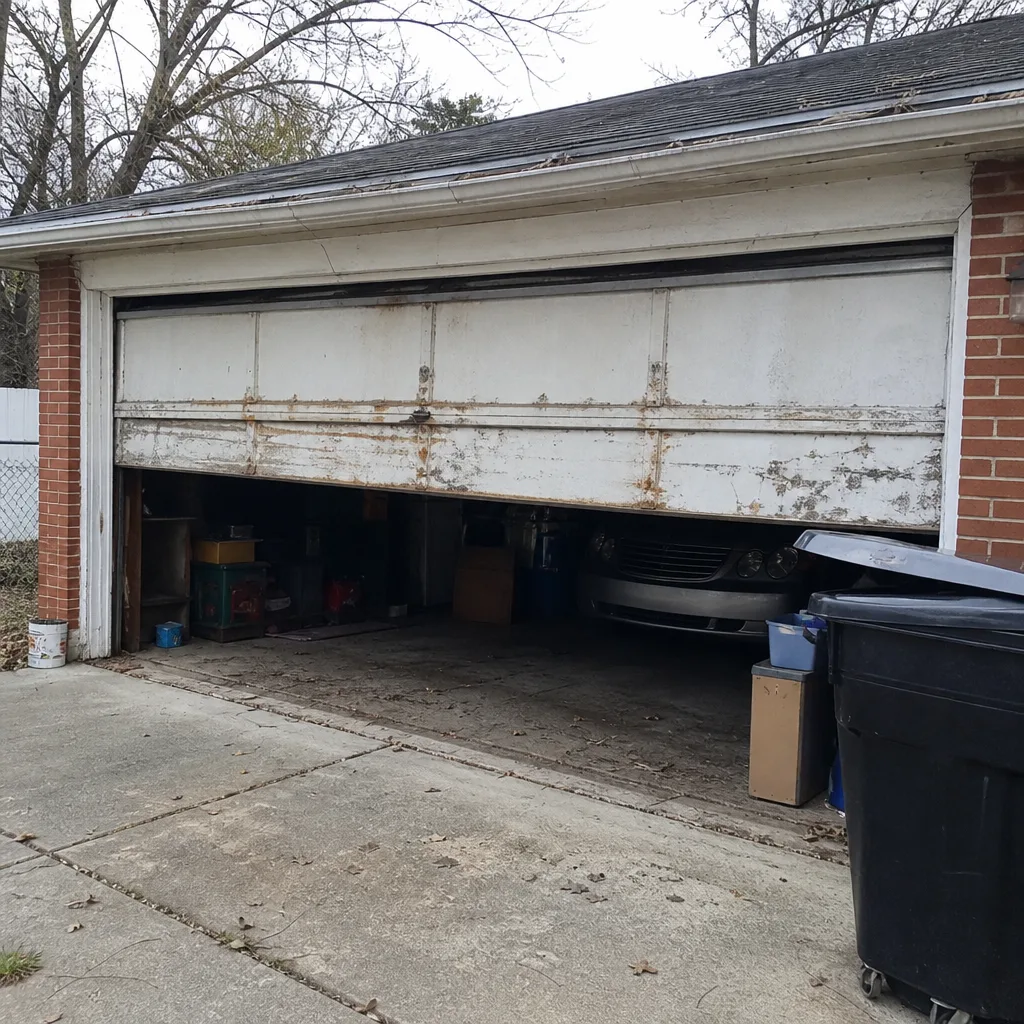 Before
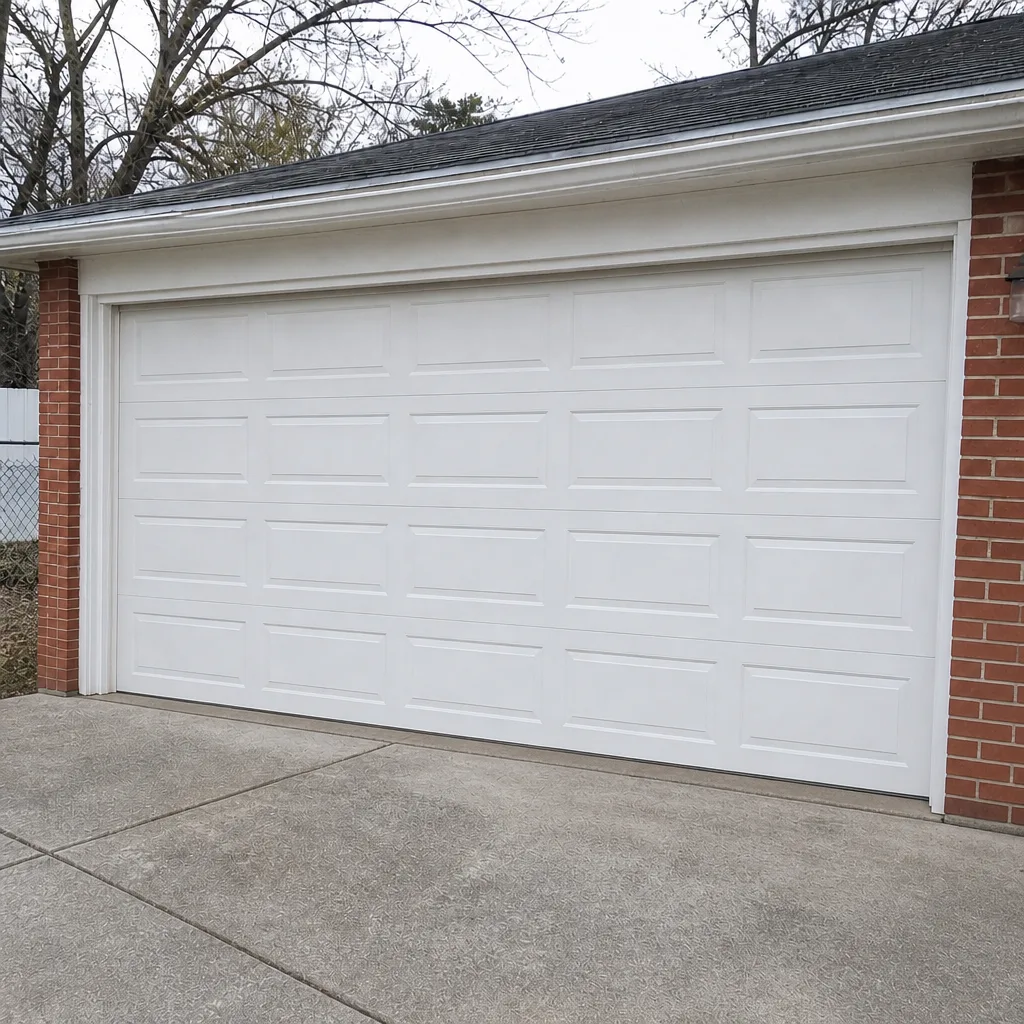 After
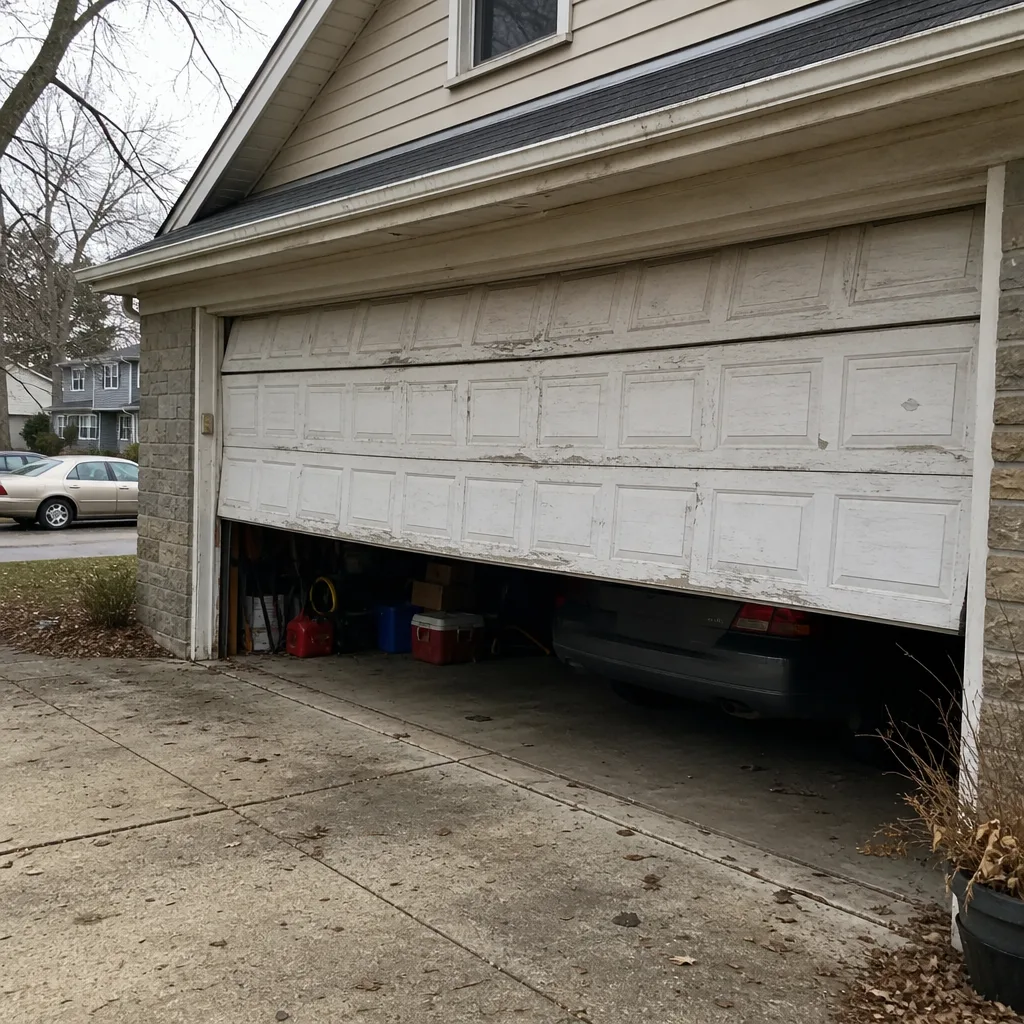 Before
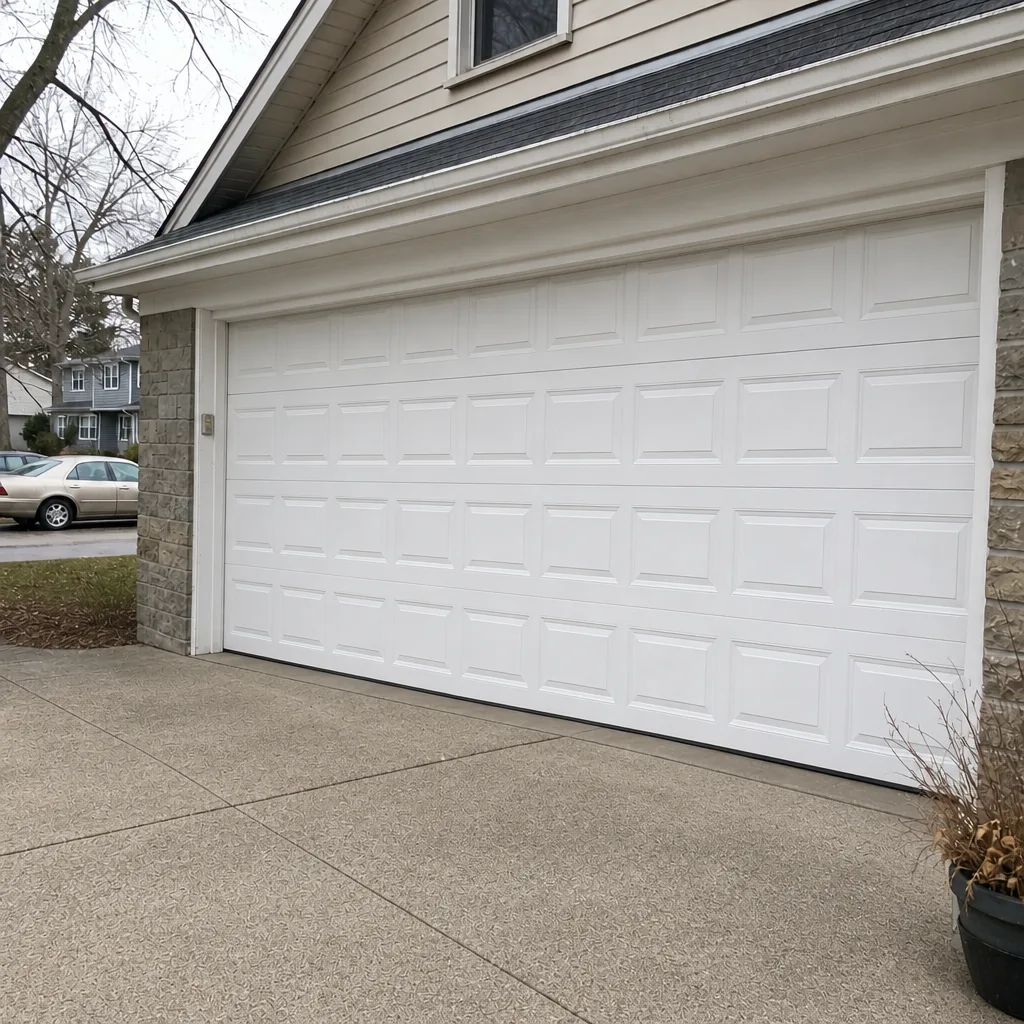 After
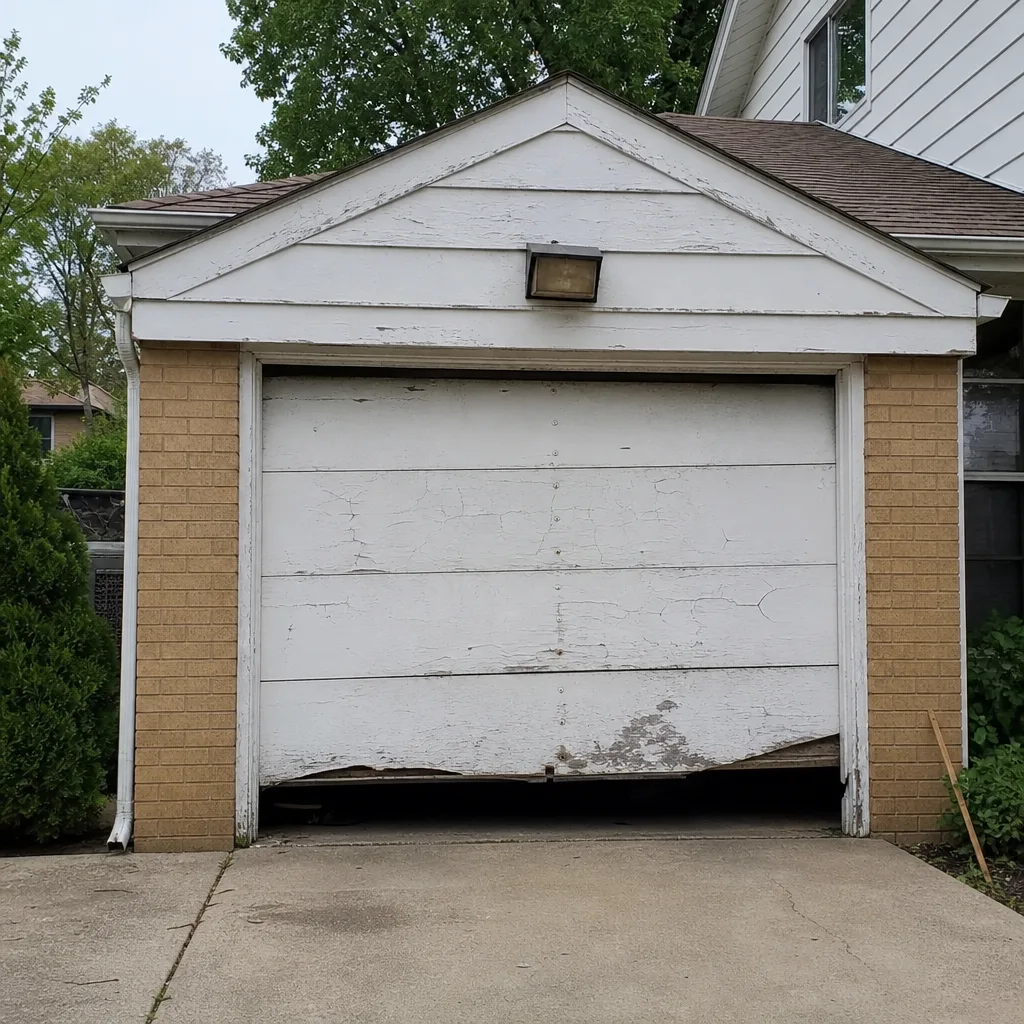 Before
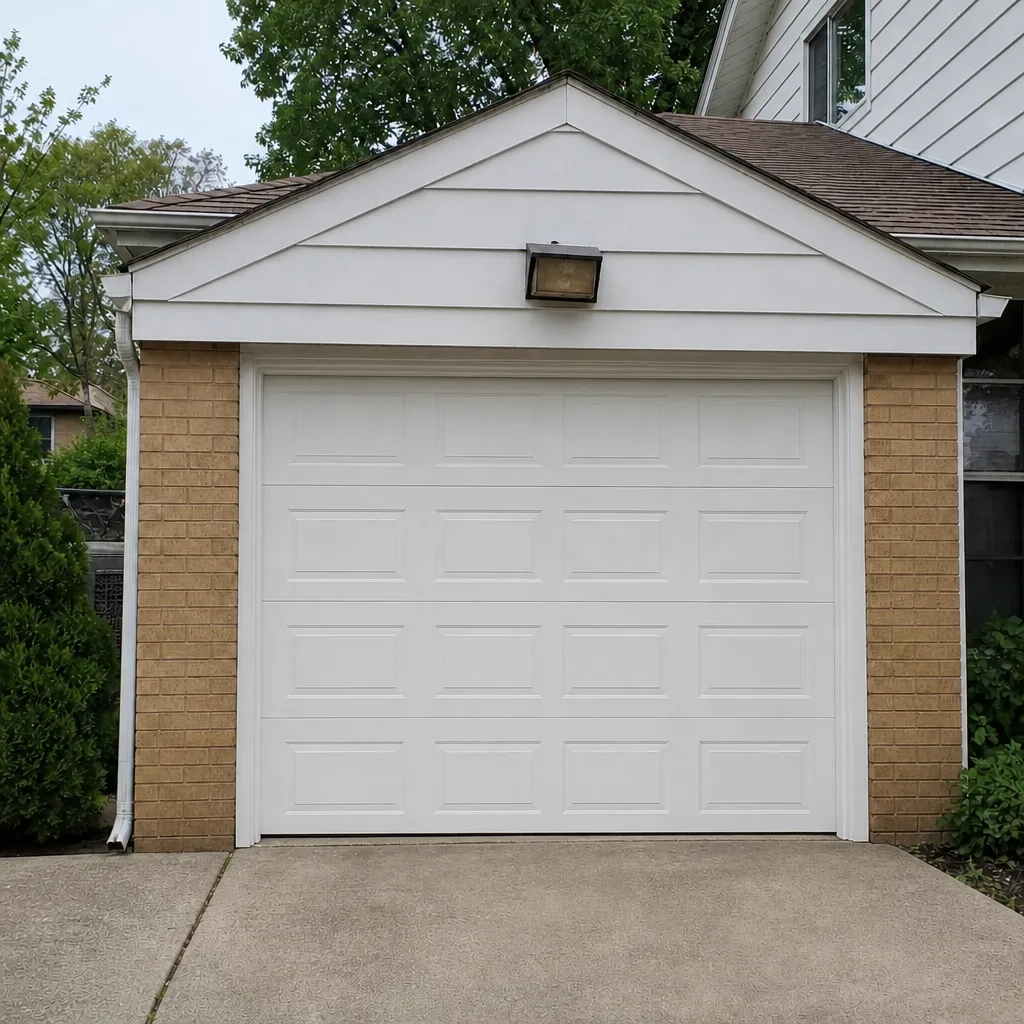 After
When to Call a Professional
Some garage door questions can wait. Others can’t. Call a professional when a spring breaks, when a cable snaps, when the door comes off its tracks or hangs unevenly, when the opener runs but the door doesn’t move, or when any safety feature stops working. Those are the situations where a wrong move is genuinely dangerous – a torsion spring under load can cause serious injury, and high-voltage wiring inside an opener isn’t a DIY repair. Do not attempt either yourself. Call a professional.
Also call when you’re planning work that touches the opening or the framing. That’s the moment the permit question needs answering, not after the work is done. Elmhurst Garage Door Repair Co offers free estimates in Elmhurst – call (833) 868-2688. We’ll tell you what the work involves, whether a permit is likely, and what the written estimate covers before anything starts.
Frequently Asked Questions
Usually not, if it’s a like-for-like replacement in the same opening. You do need a permit if the work changes the rough opening, the header, the framing, or adds a new opening. Confirm with the City of Elmhurst building department before work starts. Call (833) 868-2688 for a free estimate and we’ll walk you through the scope.
UL 325 is the safety standard for garage door operators, and yes, every new opener sold in the US is designed to meet it. The standard is why your opener has a photo-eye system and auto-reverse on contact. Ask your installer for the model number and confirm the safety features work after installation. Call (833) 868-2688 for a free estimate on opener replacement.
It depends on what the work involved and what the city requires to inspect it. A retroactive permit on a straightforward installation is usually a modest cost; opening up finished work for inspection is more. We can assess the installation and tell you what we see before you call the city. Call (833) 868-2688 for a free estimate.
It can, yes. Illinois sellers complete a residential property disclosure form that includes permitted work and known code issues, and a buyer’s inspector may flag structural changes to the opening. The permit record is the cleanest answer. Call (833) 868-2688 if you want a professional opinion on what’s been done to your garage.
An inspection is a code review, not a tune-up. It covers the opening dimensions and framing, door attachment and balance, safety features like the photo-eye and auto-reverse, electrical connections, required labels, and the permit documentation. A separate service visit handles the springs, rollers, and opener adjustments. Call (833) 868-2688 for a free estimate on a service visit.
Does Elmhurst weather affect whether my garage door needs code upgrades?
Indirectly, yes. The freeze-thaw cycles and seasonal temperature swings in Elmhurst stress the opening, the springs, and the opener, which is exactly why the code standards exist. A door and opener that meet current standards handle the seasonal range better than an older installation. Call (833) 868-2688 for a free estimate and we’ll assess what you have.
The Bottom Line
The permit question for garage door work in Elmhurst comes down to scope. Repair and like-for-like replacement usually don’t need one; work that changes the opening or the framing usually does. UL 325 compliance on the opener is not optional, and it’s the part of the install that protects your family. Unpermitted work doesn’t disappear – it resurfaces on the disclosure form at resale, and bringing it into compliance after the fact is more work than pulling the permit upfront. Confirm with the City of Elmhurst building department, get the scope in writing, ask who pulls the permit, and keep the paperwork. If your garage door needs diagnosis or a spring, opener, or full installation estimate, call Elmhurst Garage Door Repair Co at (833) 868-2688. Free estimates, written before any work starts.
Written by the team at Elmhurst Garage Door Repair Co.