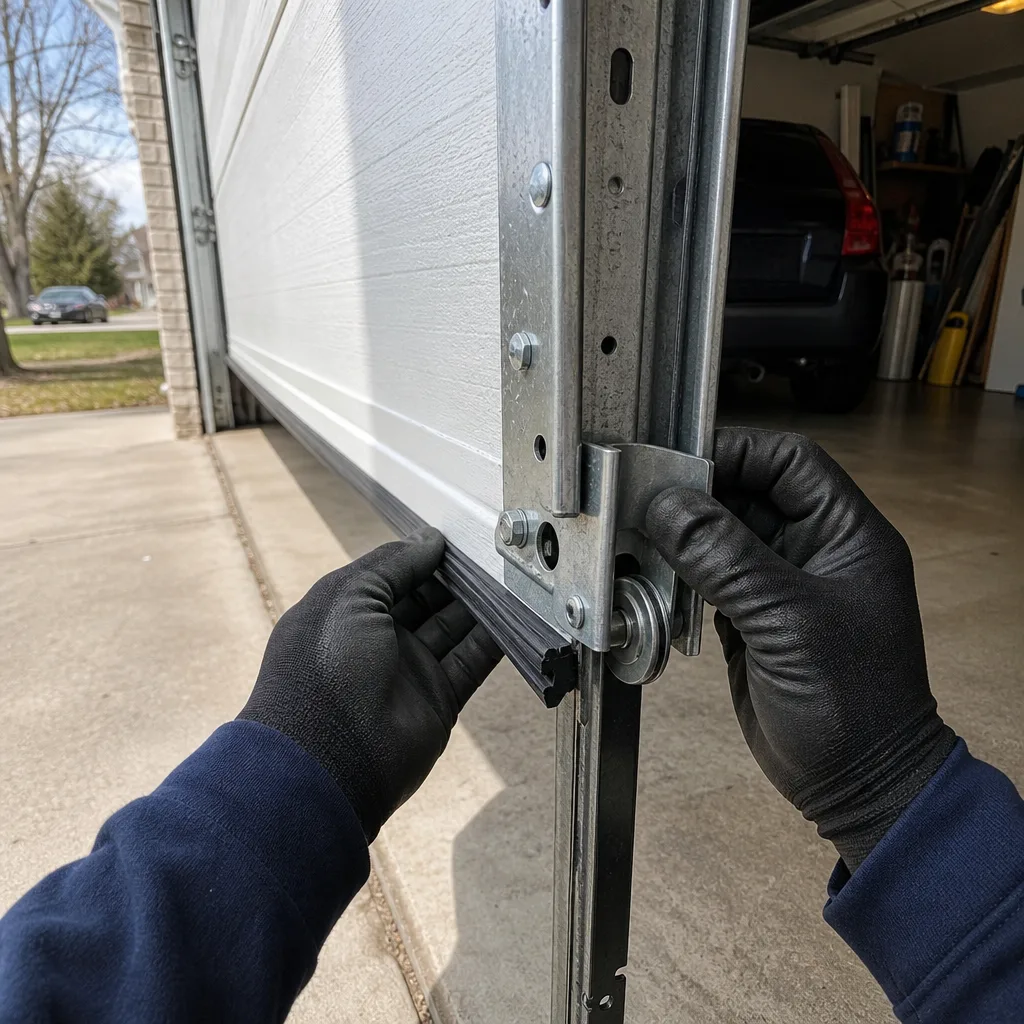
Last updated November 22, 2026
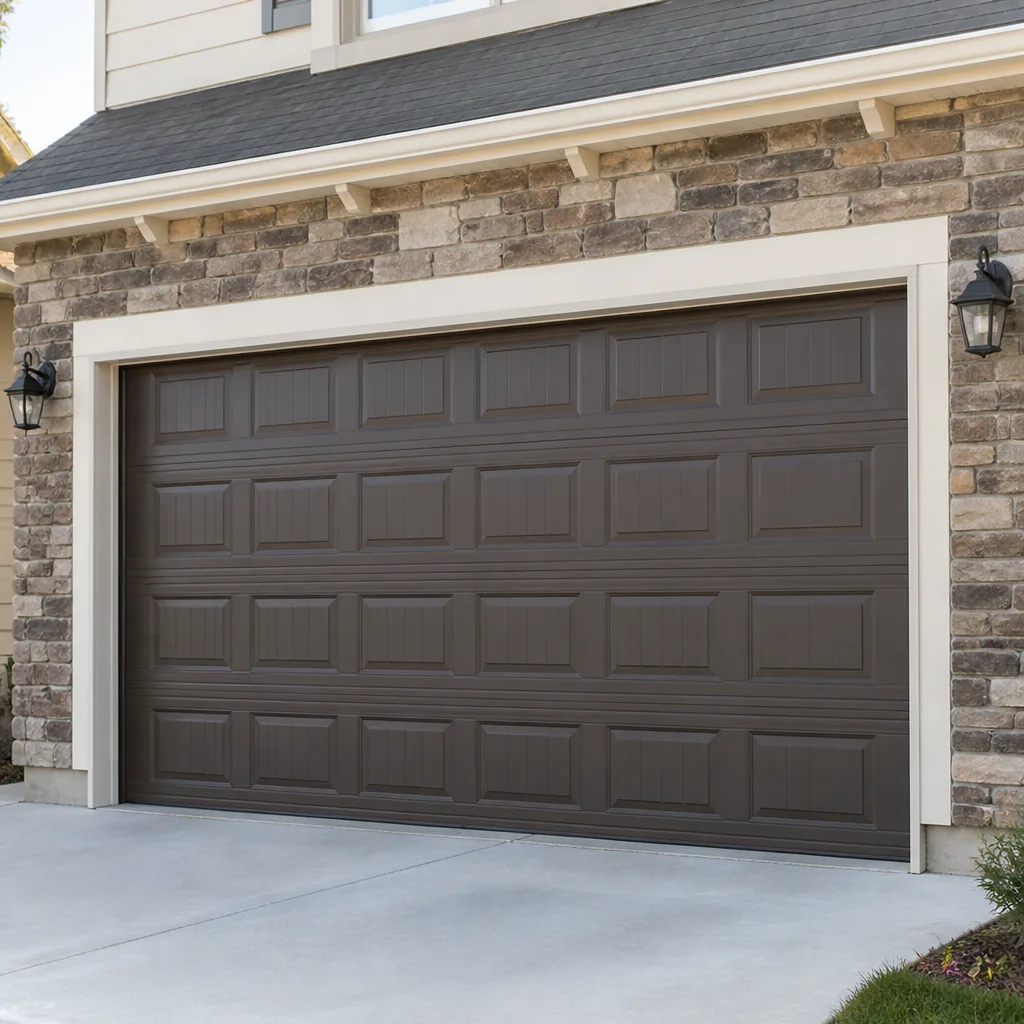 Raised-panel steel
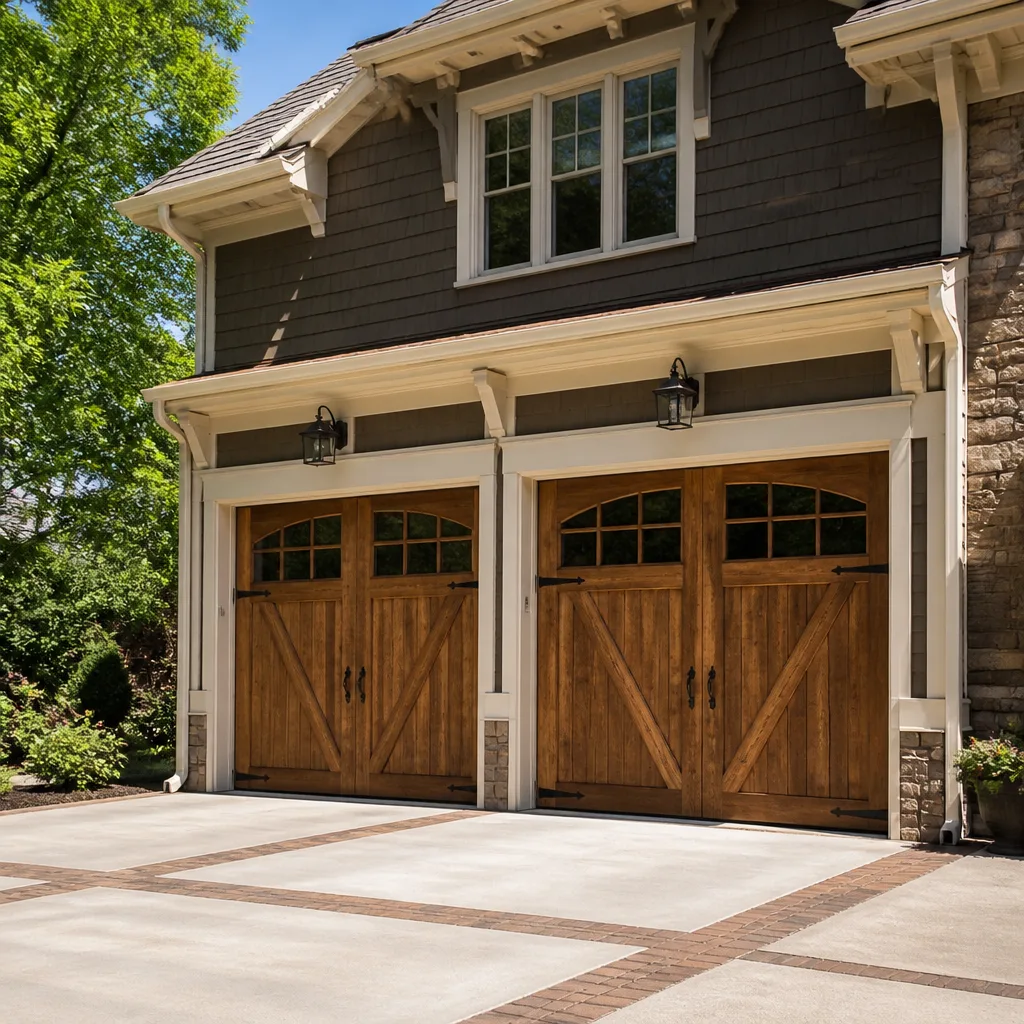 Carriage house
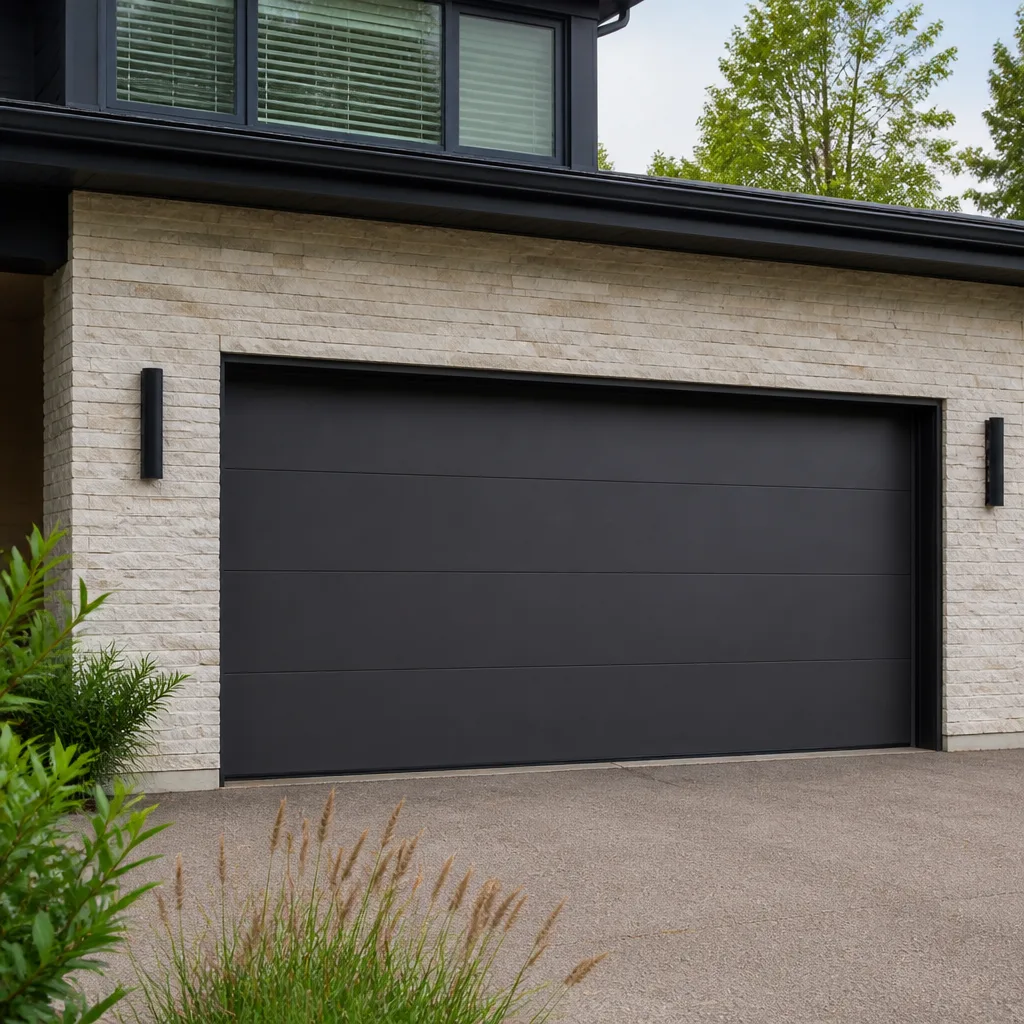 Modern flush
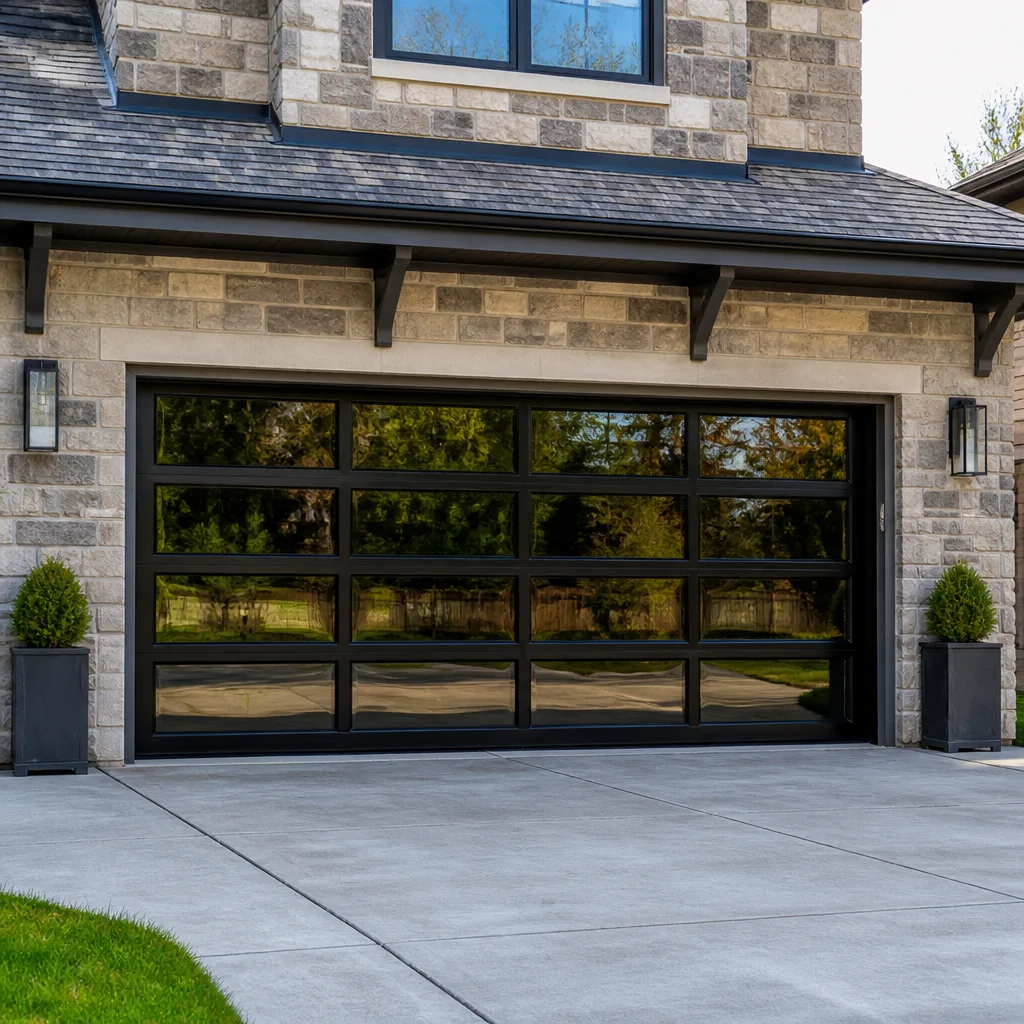 Full-view glass
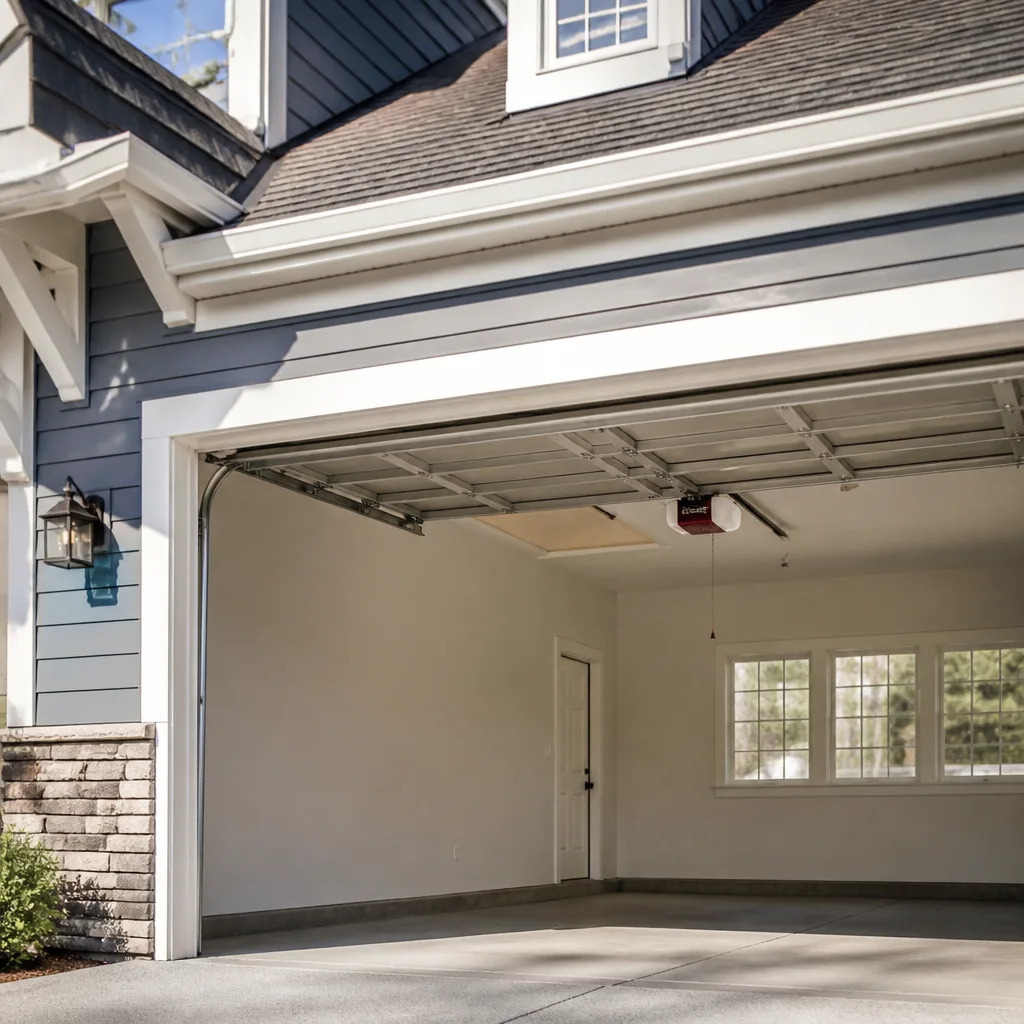 LiftMaster openers
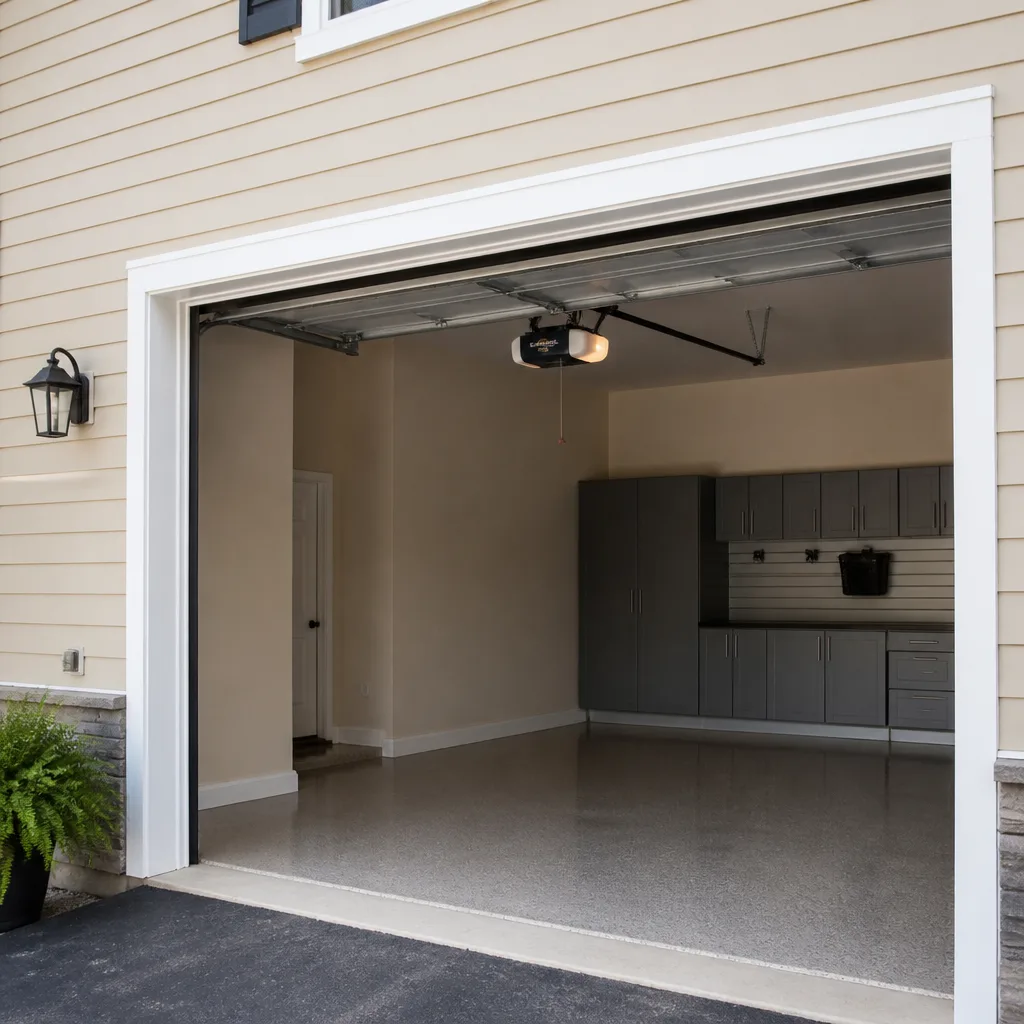 Chamberlain openers
Full 25-point door and opener safety check with every visit - springs, cables, rollers, tracks, and your LiftMaster or Chamberlain opener included
You get a price before we start. It does not change when the pro arrives.
Get your free estimateGarage Door Warning Signs: An Elmhurst Homeowner’s Reference Guide
A garage door that’s “a little slow” and a garage door with a broken torsion spring are not the same problem. But both show up as “my door seems off” when Elmhurst homeowners search for answers. That’s the gap this guide fills. Most warning-sign lists online lump everything together, so you can’t tell whether you’re looking at a call-today emergency or something you can schedule in a few weeks. We’ve sorted the signs into three tiers: immediate safety hazards, functional decline, and cosmetic wear. By the end, you’ll know which sounds map to which parts, why an uneven door is usually a spring or cable problem rather than a track issue, and how to tell an opener failure from a door-mechanism failure before you spend money on the wrong repair.
Quick Answer
Treat a broken spring, a snapped or frayed cable, a door hanging off its tracks, or any door that slams down as an immediate safety hazard and stop using it. A door that’s slow, noisy, or opening unevenly is functional decline that should be looked at within a few weeks. Faded paint, minor dents, and a worn weather seal are cosmetic and can wait. The key distinction for Elmhurst homeowners is urgency: hazards mean call now, decline means schedule soon, cosmetics mean plan for later.
Styles & brands we work with
- Raised-panel steel
- Carriage house
- Modern flush
- Full-view glass
- LiftMaster openers
- Chamberlain openers
Table of Contents
- Tier One: Warning Signs That Are Immediate Safety Hazards
- Tier Two: Warning Signs of Functional Decline
- What Each Sound Actually Means
- Why an Uneven Door Is Almost Always a Spring or Cable Issue
- Visual Signs of Spring Wear You Can Check Safely
- Opener Failure vs. Door Failure: Telling Them Apart
- How Elmhurst Weather Affects Garage Door Wear
- Common Mistakes to Avoid
Tier One: Warning Signs That Are Immediate Safety Hazards
Some garage door problems are not “get to it this month” items. They’re stop-using-the-door-now items. A garage door is one of the heaviest moving objects in a home, and the parts that hold it up are under serious tension. When one of those parts fails, the door can come down hard or come off its tracks entirely. Here’s what puts a problem in the emergency tier.
- A snapped torsion spring. If you heard a loud bang from the garage and the door won’t lift, a torsion spring has likely broken. Stop using the opener immediately; running it against a broken spring can burn out the motor or pull the door off balance.
- A frayed or snapped cable. Cables are under extreme tension and a damaged one can whip or snap. If you can see loose strands or a cable hanging free, do not touch it and do not operate the door.
- A door that’s come off its tracks. If a roller has popped out or the door is visibly hanging at an angle, it’s a hazard. Do not try to force it back into place.
- A door that slams shut or free-falls. If the door drops faster than it should or won’t stay up, the balance system has failed. This is a crush risk, especially for children and pets.
- A door that reverses inconsistently or not at all. The safety reverse is a life-safety feature. If the door won’t reverse when it meets an obstruction, treat it as urgent.
For any of these, the door should stay closed and untouched until a technician looks at it. Springs and cables are the two most dangerous components on a garage door, and they’re exactly the parts we handle as a core specialty rather than a referral. If your door is in one of these states, you don’t need to diagnose it yourself. Call (833) 868-2688 and we’ll get a trained technician out to assess it.
Tier Two: Warning Signs of Functional Decline
Functional decline is the middle tier: the door still works, but it’s working harder than it should. These signs usually give you a window of a few weeks to a couple of months before they turn into something urgent. Catching them here is how you avoid a Tier One problem later.
- The door opens or closes more slowly than it used to. A gradual slowdown often points to a worn spring, a tired opener motor, or rollers that need lubrication.
- Grinding, squealing, or rattling during operation. Noise is the door telling you something is dry, loose, or worn. We’ll map the specific sounds to causes in the next section.
- The door opens unevenly or looks crooked. This is one of the most misunderstood signs, and we cover it in detail below.
- The opener strains or the motor sounds labored. If the opener is working harder to lift the door, the door itself may be out of balance and forcing the motor to compensate.
- The door doesn’t stay open on its own when you lift it manually. A balanced door should hold its position partway up. If it drifts down, the springs are losing tension.
- Repeated remote or keypad issues. Intermittent opener behavior often points to the opener or its safety sensors rather than the door.
In our experience working on Elmhurst doors, homeowners often wait on these signs until they become emergencies. A door that’s been slow for a month is a door that’s about to cost more to fix. Scheduling a repair while it’s still Tier Two is the cheaper path. For this kind of work, garage door repair can usually be scheduled without an emergency call premium, and we’ll tell you honestly whether it can wait.
What Each Sound Actually Means
“Call a technician” isn’t advice. The sound your door makes points to a specific cause, and knowing which one helps you describe the problem when you call and understand the fix you’re quoted. Here’s how we map the four most common sounds.
- Grinding. A low, rough grinding usually means metal-on-metal contact: dry rollers, worn bearings, or a track that’s out of alignment. Grinding that gets worse over time is often a lubrication and adjustment issue, but persistent grinding can mean a roller is failing.
- Popping or a loud snap. A single loud pop from the garage, especially followed by the door not lifting, is the classic sound of a torsion spring breaking. Popping during operation can also mean a cable has slipped or a drum is out of sync. This is a Tier One sound; stop using the door.
- Squealing. A high-pitched squeal usually comes from a dry or worn torsion spring, dry rollers, or a hinge that needs lubricant. Squealing on its own is rarely dangerous, but it’s the door telling you maintenance is overdue.
- Rattling. Loose hardware is the usual culprit: a bolt that’s worked loose, a hinge with play, or a bracket that’s vibrating. Rattling is often the mildest sign, but a loose bracket on a torsion system is worth checking before it becomes serious.
The reason the sound matters is that it tells you whether you’re dealing with the door mechanism or the opener. A grinding door that only grinds while the opener runs could still be a door problem, because the opener is just following the door. If you’re unsure, a technician can separate the two in person. garage door spring repair is one of the most frequently needed fixes we schedule for noisy, hard-to-lift doors.
Why an Uneven Door Is Almost Always a Spring or Cable Issue
When a garage door comes up crooked, most homeowners look at the tracks first. That instinct makes sense: the door is metal, the tracks are metal, so a crooked door looks like a track problem. In practice, an uneven door is almost always a spring or cable issue, and here’s why it matters. Springs and cables are the balance and lift system. If one spring has less tension than the other, or one cable has stretched or slipped, the door lifts unevenly even if the tracks are perfectly straight.
Why does that distinction matter? Two reasons. First, cost. A track adjustment is a smaller job than a spring or cable repair, so knowing which it likely is helps you budget. Second, urgency. A door that’s opening unevenly is under uneven stress, and that stress can progress to a cable failure or a door off its tracks. The mildest version is a small imbalance; the most serious is a Tier One hazard. That range is why an uneven door should be looked at soon, not dismissed as cosmetic.
One caution: uneven operation is also a symptom of a single-torsion-spring system where the spring has lost tension, and a torsion spring is under extreme tension. Don’t try to adjust the springs or cables yourself. The failure mode of a torsion spring is a sudden, violent release of energy that can cause serious injury. This is the part of the trade where we always recommend a trained professional, and it’s why spring work is a specialty we keep in-house rather than outsourcing.
Visual Signs of Spring Wear You Can Check Safely
You can inspect your springs from inside the garage without touching anything. The rule is simple: look, don’t touch. Springs are under tension and cables can whip; keep your hands clear and just use your eyes. Here are the visual signs worth noting, and what each one suggests.
- A visible gap in a torsion spring. Torsion springs are coiled metal; if you see a literal gap in the coil, the spring has broken. This is the clearest visual sign and a Tier One stop.
- A stretched extension spring. Extension springs stretch along the sides of the door. A spring that’s longer than it used to be, or one that hangs loose, has lost tension and may snap.
- Rust on the coils. Rust is common on any metal garage component, and it’s worth watching, but surface rust alone doesn’t mean a spring is broken. Heavy pitting or rust combined with sagging is more concerning.
- Sagging or gaps near the spring anchors. If a spring appears to be pulling away from its anchor point, that’s a problem to flag.
- Wear marks on the cables alongside the springs. Frayed strands or a cable that looks stretched are signs of cable wear, which pairs with spring decline.
What you see at the springs is one part of the picture. The condition of the spring is often the single best indicator of whether the door is closer to a Tier One problem than you think. If you spot a gap or a badly stretched spring, stop operating the door and call (833) 868-2688.
Opener Failure vs. Door Failure: Telling Them Apart
Here’s where homeowners lose money. If the door won’t open, the instinct is to blame the opener. But a healthy opener can be stopped dead by an out-of-balance door, and replacing a perfectly good opener is expensive. The reverse is also true: an opener can fail while the door itself is fine. Telling the two apart before you buy anything is the most important diagnostic step on this list.
Start with a manual test. Disconnect the door from the opener using the release cord (this is safe to do with the door closed or down). Then lift the door by hand. If it lifts smoothly and stays up when you let go partway, the door is balanced and the problem is likely the opener. If it’s very heavy, grinds, or won’t stay up, the door mechanism is the problem and the opener was simply straining against it.
On the opener side, the usual suspects are the safety sensors, a worn gear or drive, a dead backup battery, or a logic board. The way an opener fails varies by brand. A LiftMaster or Chamberlain wall unit often shows symptoms in the sensor alignment or the travel limits, while an older Genie or a legacy Craftsman can lose programming or a logic board. We work on all of these, plus Clopay and other major door brands, so the diagnosis starts with the actual make and model rather than a generic guess. If the manual test points to the opener, garage door opener repair is usually faster and cheaper than replacing the whole unit.
How Elmhurst Weather Affects Garage Door Wear
Elmhurst sits in a climate with real seasonal swings: humid summers, cold winters, and freeze-thaw cycles that work on anything metal and moving. That cycle affects garage doors in a few predictable ways. In summer, humidity can cause metal rollers and springs to corrode slightly and stick; that’s where a lot of the squealing and grinding comes from. In winter, the cold stiffens lubricant, and repeated freezing and thawing can loosen hardware.
Homes across Elmhurst, from the older neighborhoods near downtown to the newer subdivisions on the city’s edges, see the same pattern: doors that ran fine all summer get noisier and slower in the first cold snap. That seasonal change is one reason the “Tier Two” slowdown signs show up in fall and early winter more often than any other time. It’s also why it helps to have the door checked before the cold sets in, rather than waiting for a breakdown in the middle of a cold spell.
If your door is already showing Tier Two signs as the weather shifts, a maintenance check now is the cheaper path. For a repair that’s about the mechanism rather than the weather, our team at Elmhurst Garage Door Repair Co can tell you what’s seasonal wear and what’s an actual failure.
Common Mistakes to Avoid
We’ve seen the same avoidable mistakes show up on Elmhurst doors again and again. Most of them make a small repair into a big one, so it’s worth knowing them before you pick up a tool.
- Running the opener against a broken spring. If the spring is gone, the opener has nothing to balance against. Running it “to see if it works” can burn out the motor and add an opener replacement to a spring repair.
- Trying to fix a torsion spring or cable yourself. These are under extreme tension and are the most dangerous parts on the door. There’s a reason spring work is a specialty; a DIY attempt can cause serious injury.
- Assuming a crooked door is a track problem. It’s usually a spring or cable issue, and treating it as cosmetic lets a Tier Two problem drift toward Tier One.
- Replacing the opener before testing the door manually. Disconnect and lift the door by hand first. If it’s heavy or won’t stay up, the door is the problem, not the opener.
- Ignoring the safety reverse. A door that won’t reverse when it hits an obstruction is a life-safety issue, not a nuisance. Test it and don’t put off the fix.
- Calling only after the door stops working entirely. A slow, noisy, or uneven door usually gives weeks of warning. Acting on Tier Two signs is the cheaper path.
- Letting one brand’s opener go to a generic guess. A LiftMaster, a Genie, and an older Craftsman each fail in different ways. Have the make and model diagnosed correctly the first time instead of swapping parts.
See the difference
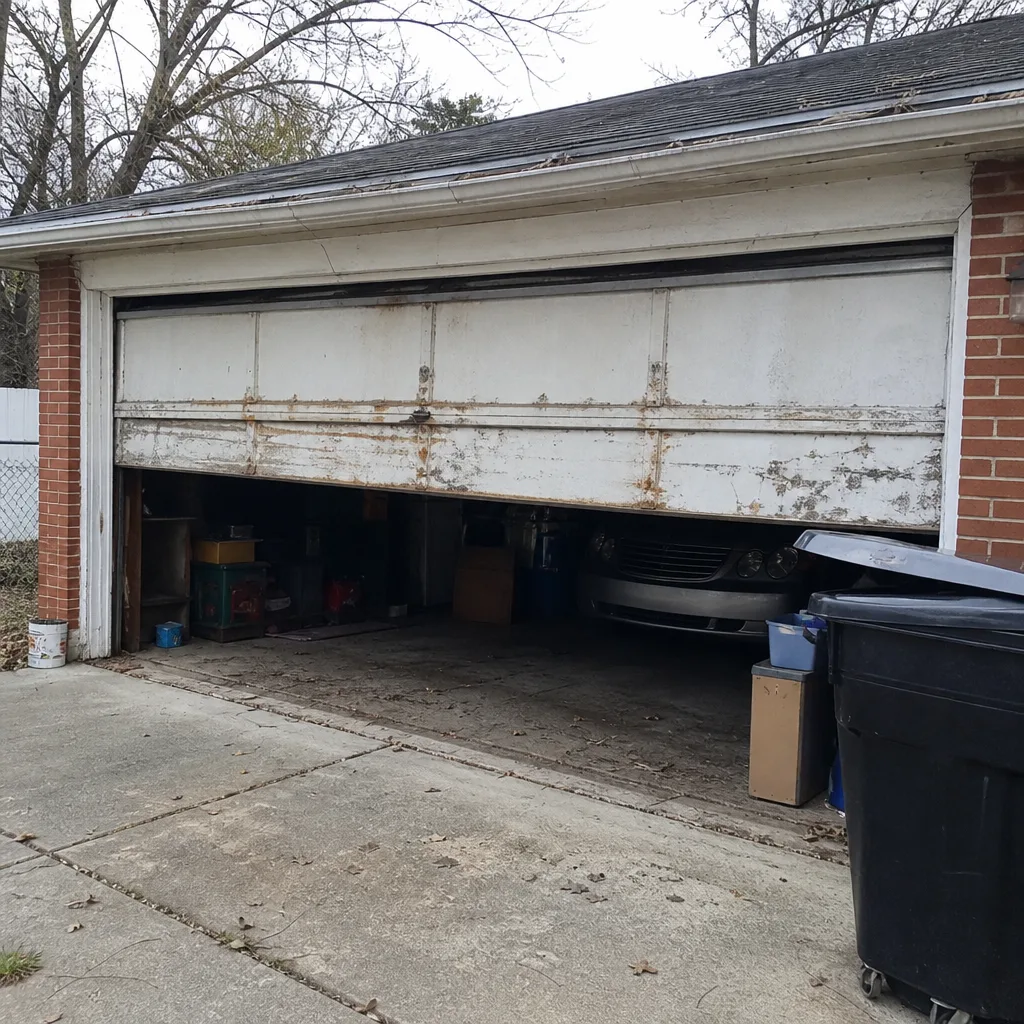 Before
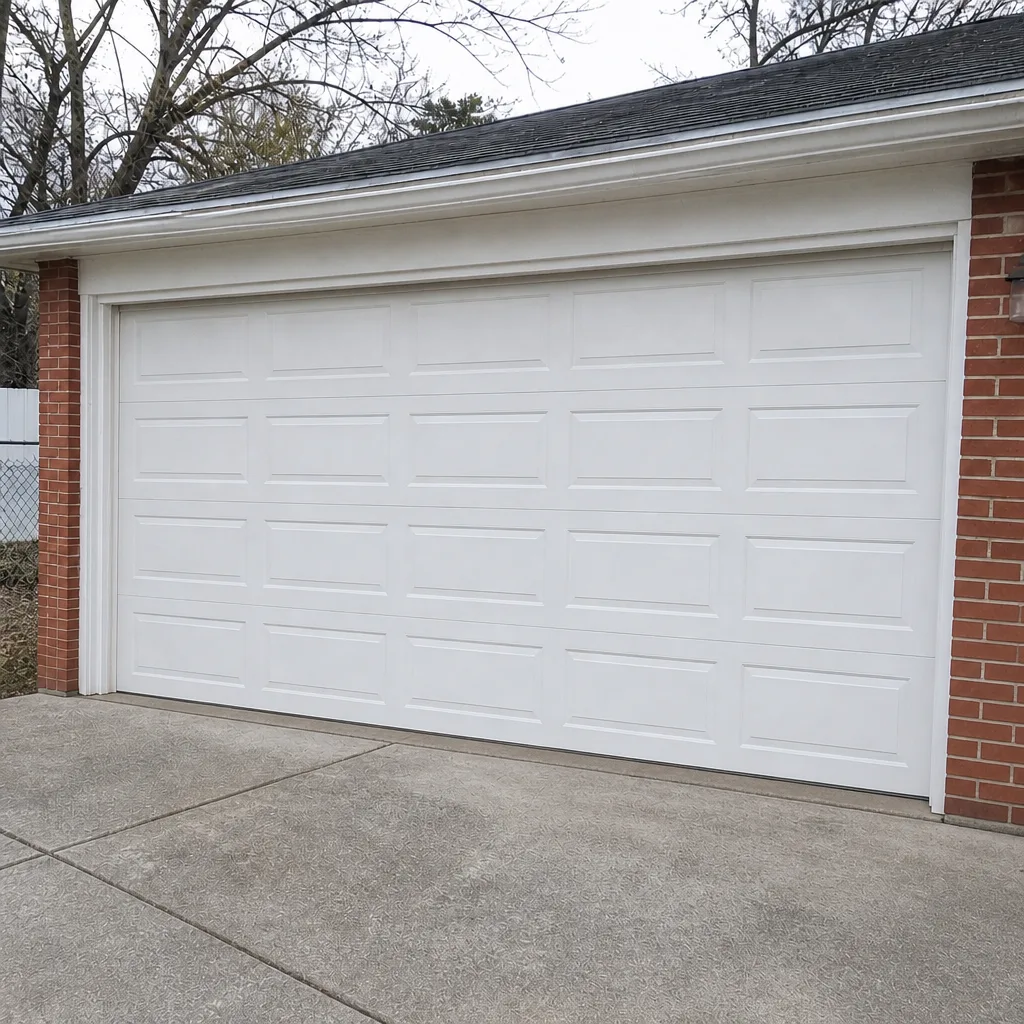 After
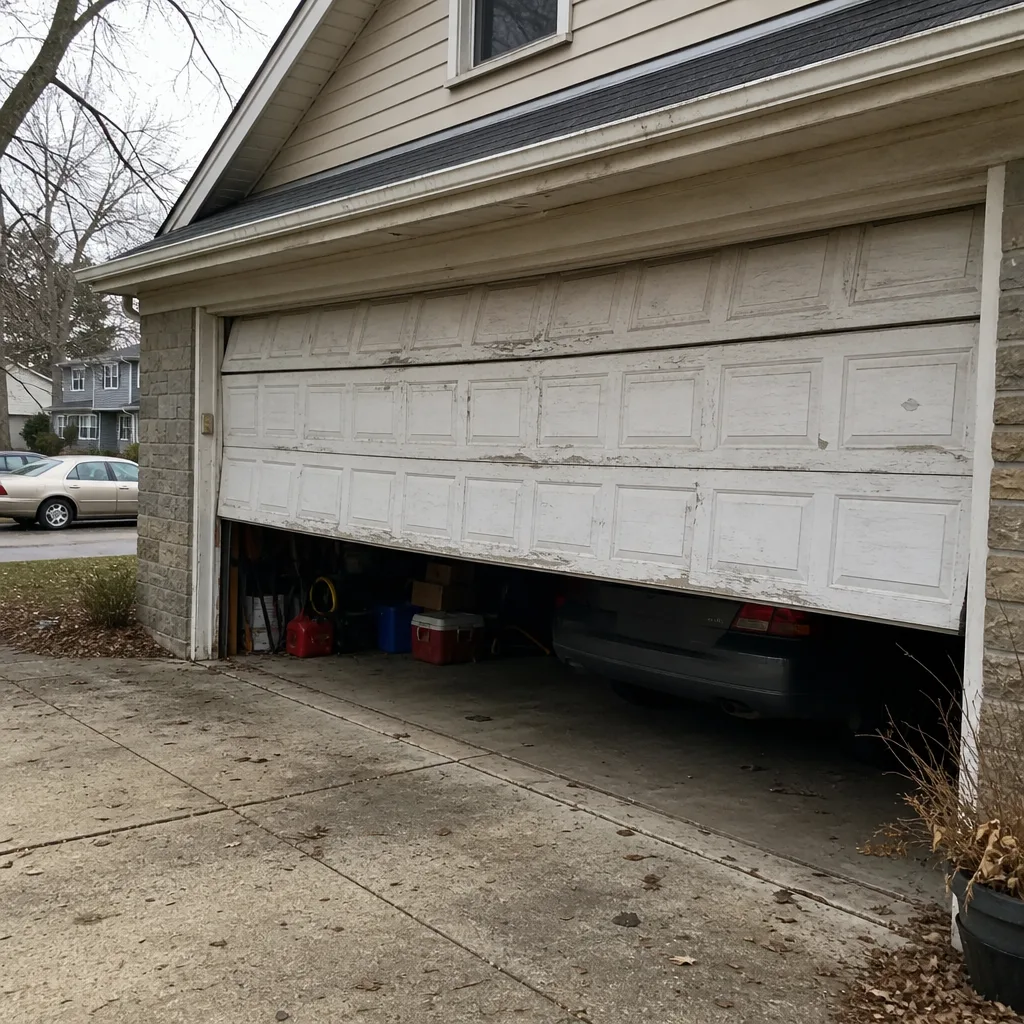 Before
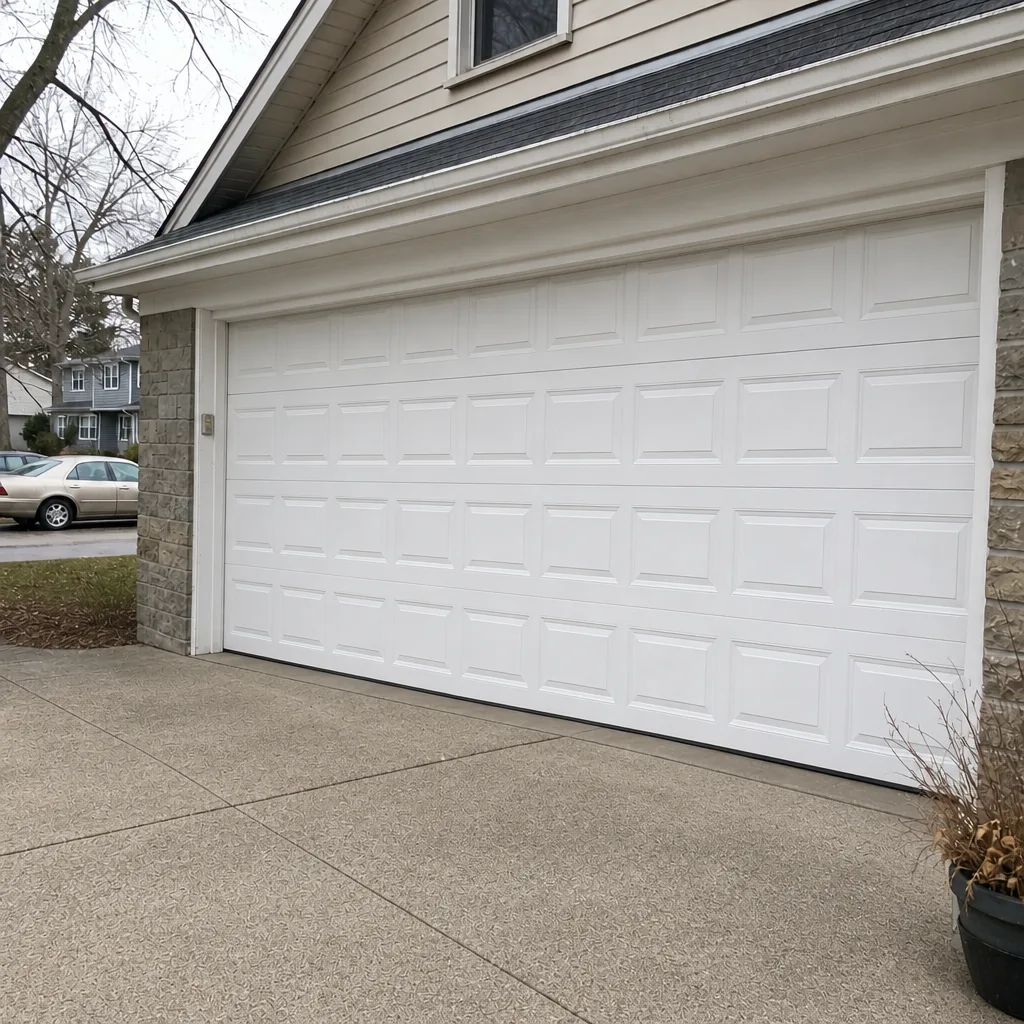 After
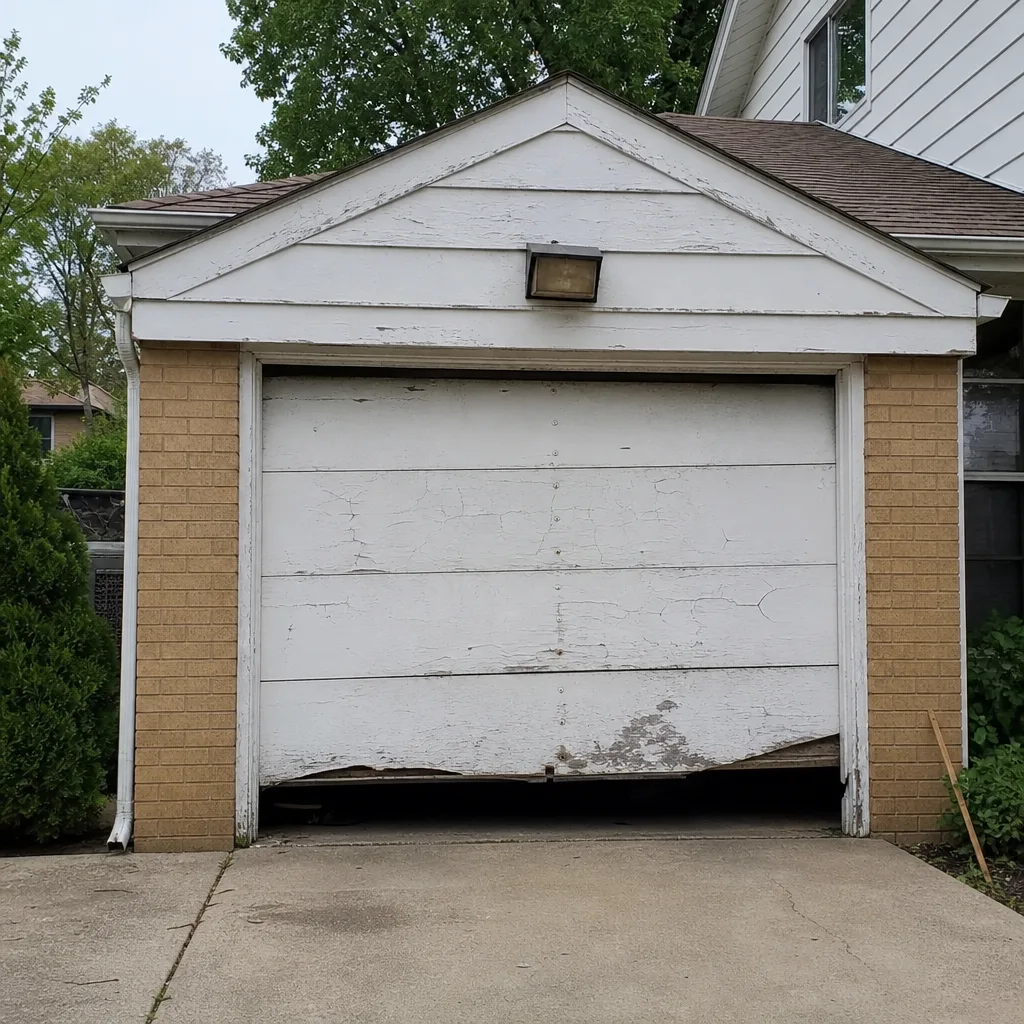 Before
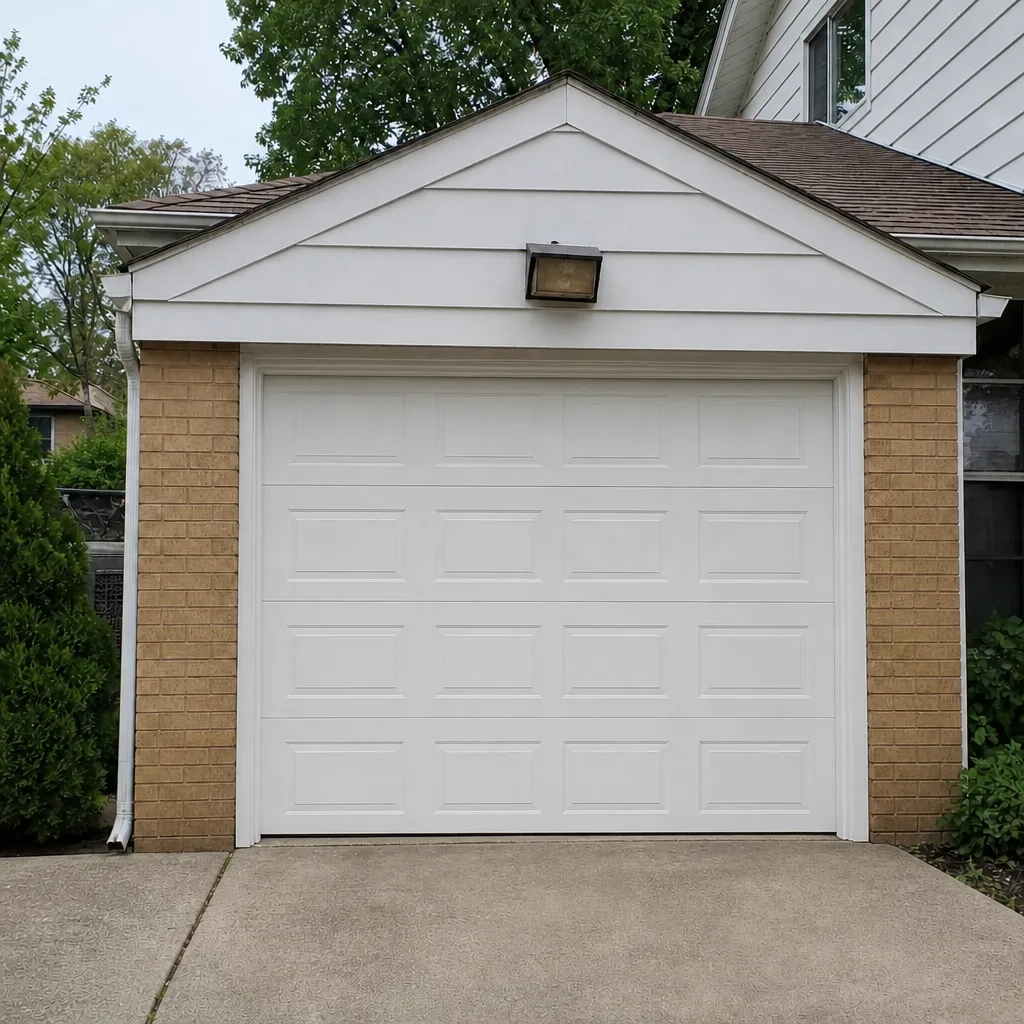 After
When to Call a Professional
Call a professional immediately if you have a snapped spring, a frayed or loose cable, a door off its tracks, a door that slams or free-falls, or a safety reverse that doesn’t work. These are safety hazards, not repair projects, and the door should stay untouched until a technician sees it. Schedule a call within a few weeks if the door is slow, noisy, uneven, or the opener is straining; these are Tier Two signs that usually give you a window before they turn urgent. Cosmetic issues like faded paint or a worn seal can wait. Elmhurst Garage Door Repair Co offers free estimates in Elmhurst: call (833) 868-2688 and describe what you’re seeing, and we’ll tell you which tier you’re in. Our technicians have up to 13 years of experience, and we work on your existing brand rather than sending you to a specialist for the make you own.
Frequently Asked Questions
A snapped torsion spring is the most serious warning sign, along with a frayed or broken cable or a door off its tracks. Any of these means the door should not be used until a technician assesses it, because the parts are under extreme tension and can fail violently. If you heard a loud bang and the door won’t lift, stop and call (833) 868-2688.
Slow or noisy operation, an opener that strains, or an uneven door are usually safe to schedule within a few weeks, not hours. Those are Tier Two signs of functional decline. A broken spring, snapped cable, or off-track door is not in that group. When in doubt, call and describe what you’re seeing; we’ll tell you honestly whether it can wait.
Disconnect the door from the opener and lift it by hand. If it’s easy to lift and stays up partway, the door is balanced and the opener is the likely culprit. If it’s heavy or won’t stay up, the door mechanism is the problem. That single test saves you from replacing the wrong component.
The local professionals we connect you with are licensed and insured as their state requires. We’ll confirm the details when we quote your job. Call (833) 868-2688 for a free estimate in Elmhurst.
The written quote sets the price. We diagnose the actual make and model before quoting, so the estimate you agree to before any work starts is what you pay. If the scope changes after a closer look, we’ll tell you before doing anything, never after. Call (833) 868-2688 for an exact quote.
Yes. We offer emergency garage door service for doors that are stuck open or won’t function, so the situation isn’t left until the next business day. Call (833) 868-2688 and we’ll get a technician out to assess the hazard.
The Bottom Line
Garage door warning signs fall into three tiers, and where your door sits decides how fast you act. A broken spring, snapped cable, off-track door, or failed safety reverse is a Tier One hazard: stop using the door and call. Slow, noisy, uneven operation and an opener that strains are Tier Two: schedule within weeks before they turn expensive. Faded paint, small dents, and worn seals are cosmetic and can wait. The costly mistakes are treating a spring or cable issue like a track problem, blaming the opener before testing the door manually, and waiting for a Tier Two sign to become a Tier One failure. If you’re unsure which tier you’re in, call (833) 868-2688 for a free estimate.
Written by the team at Elmhurst Garage Door Repair Co.