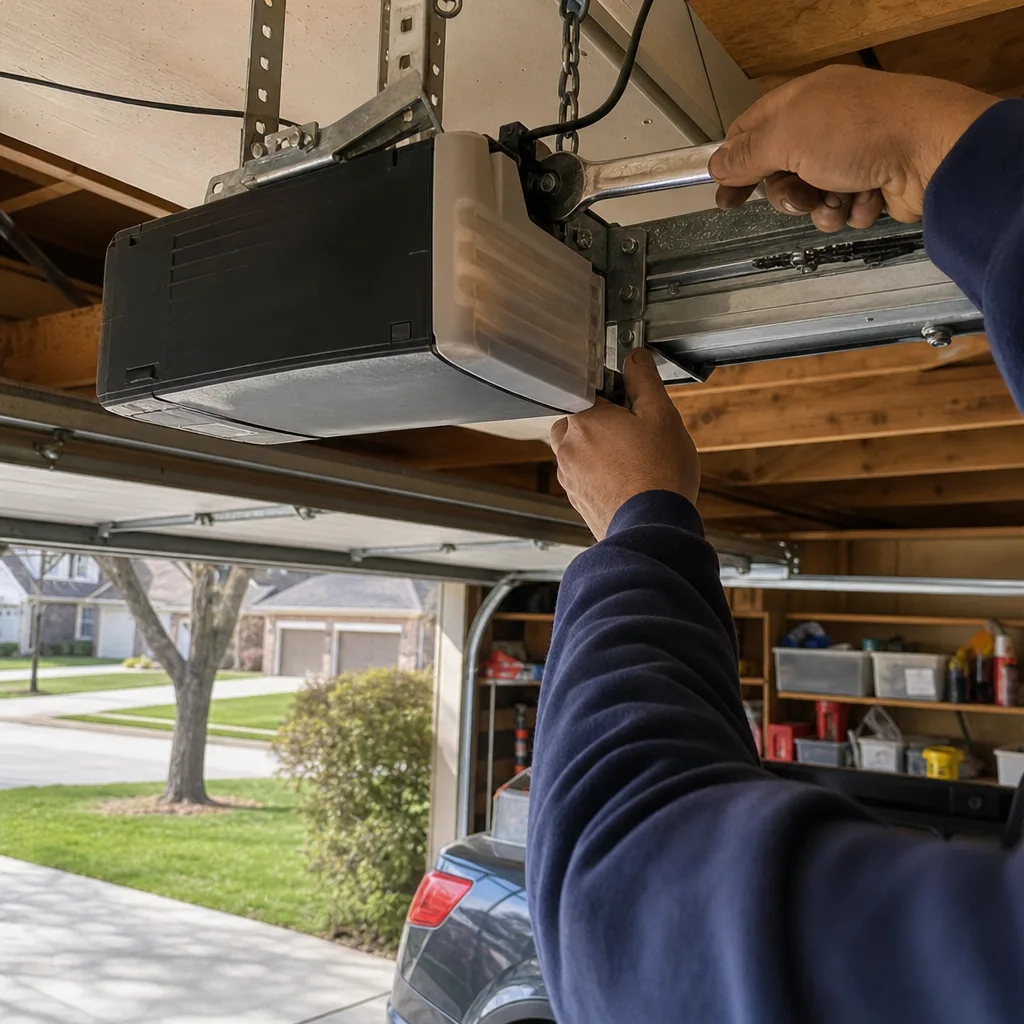
Last updated November 22, 2026
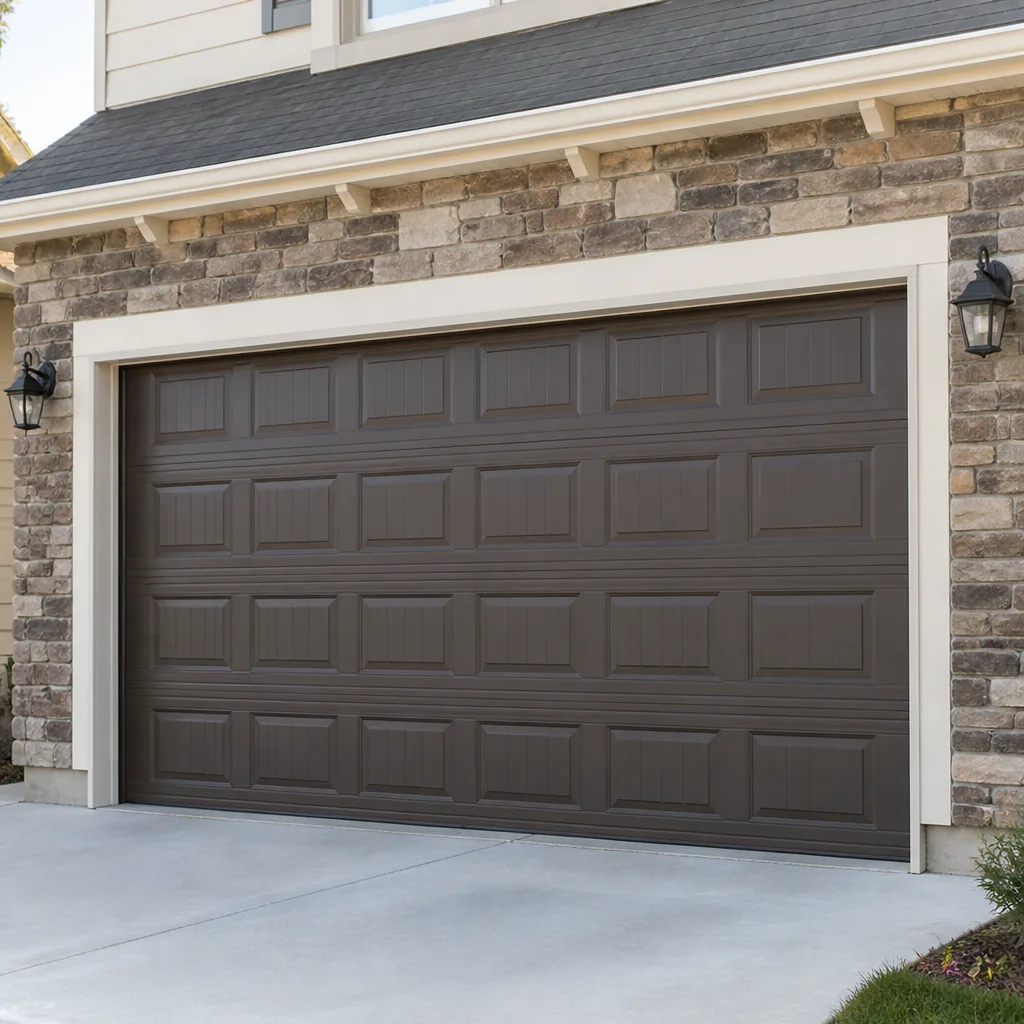 Raised-panel steel
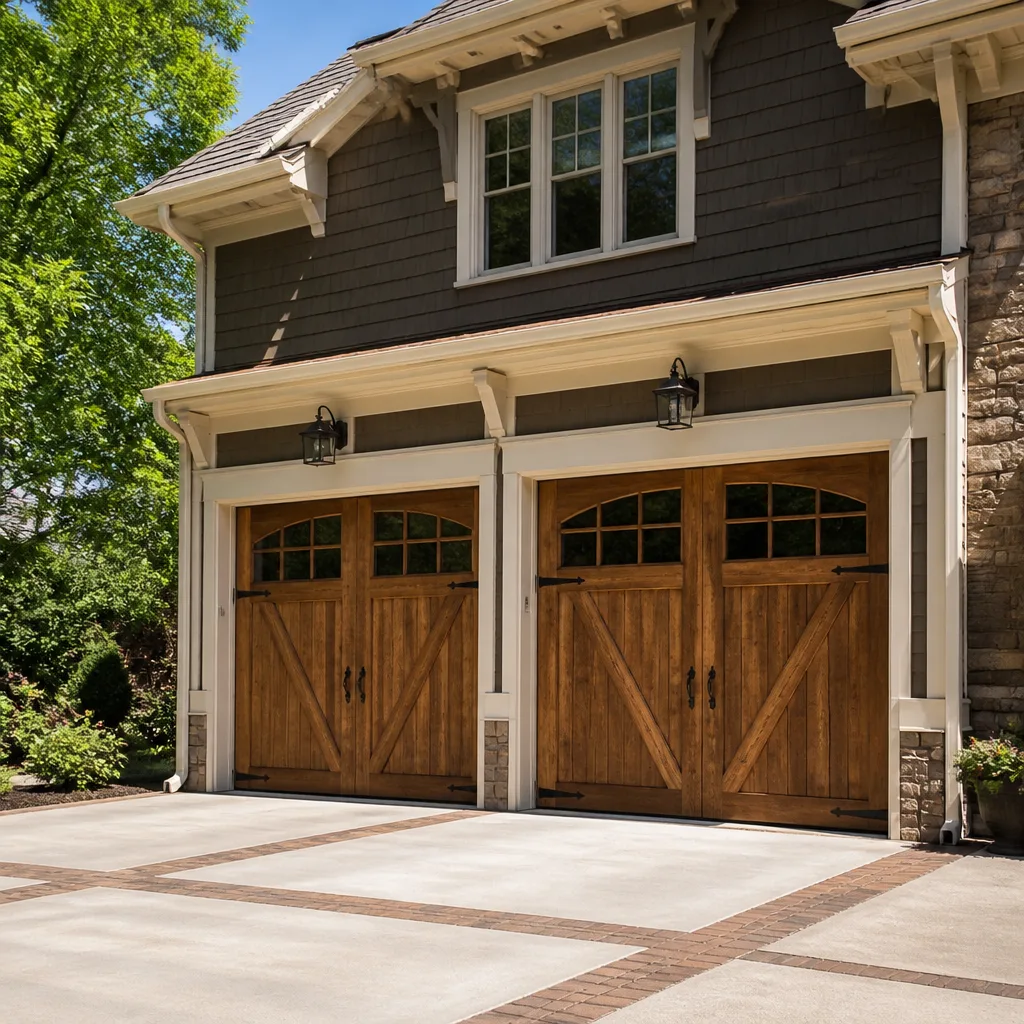 Carriage house
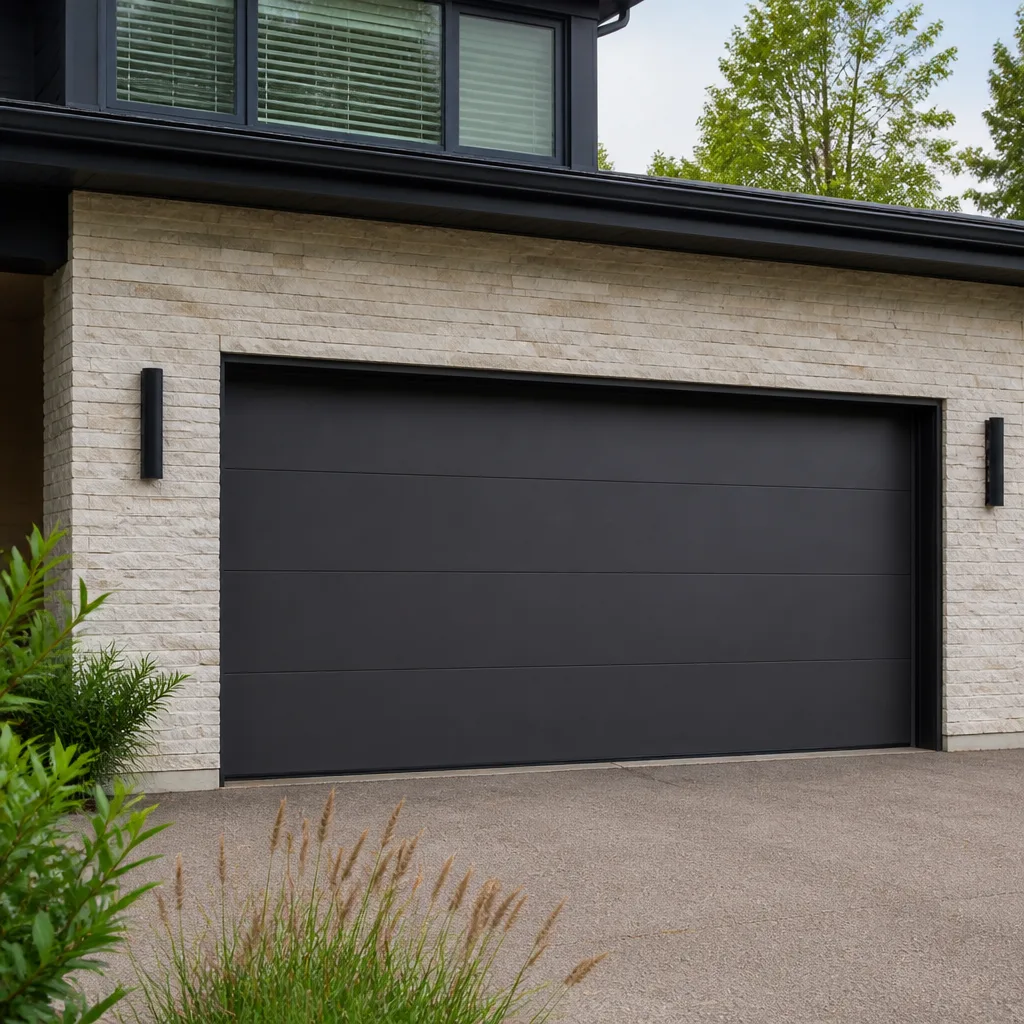 Modern flush
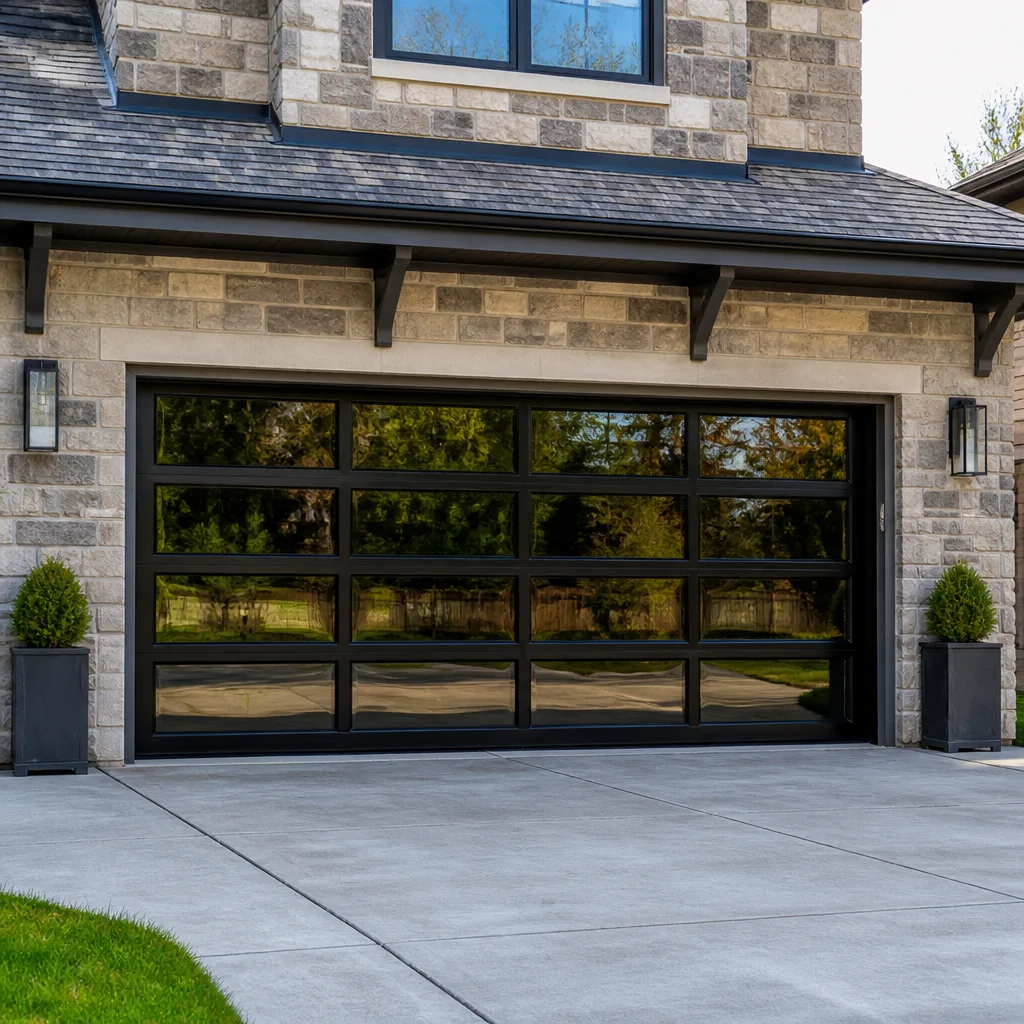 Full-view glass
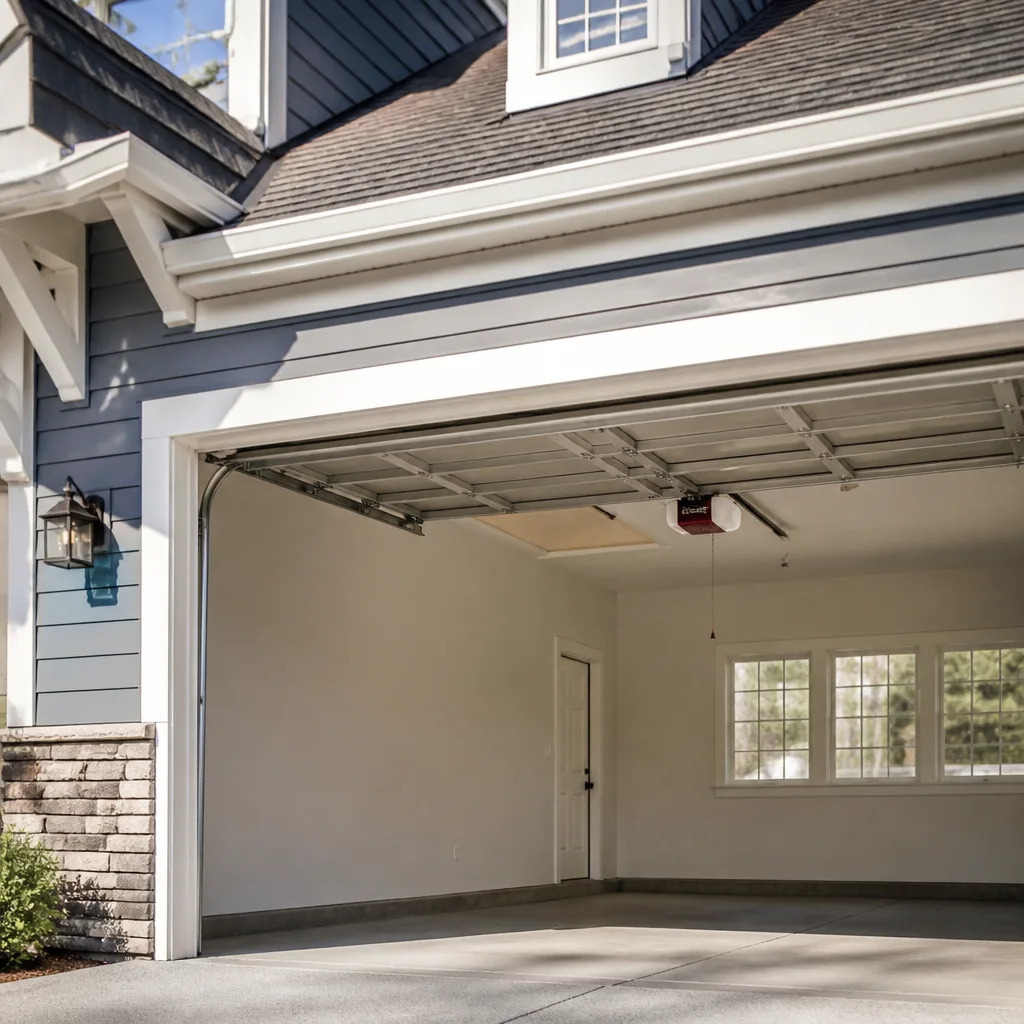 LiftMaster openers
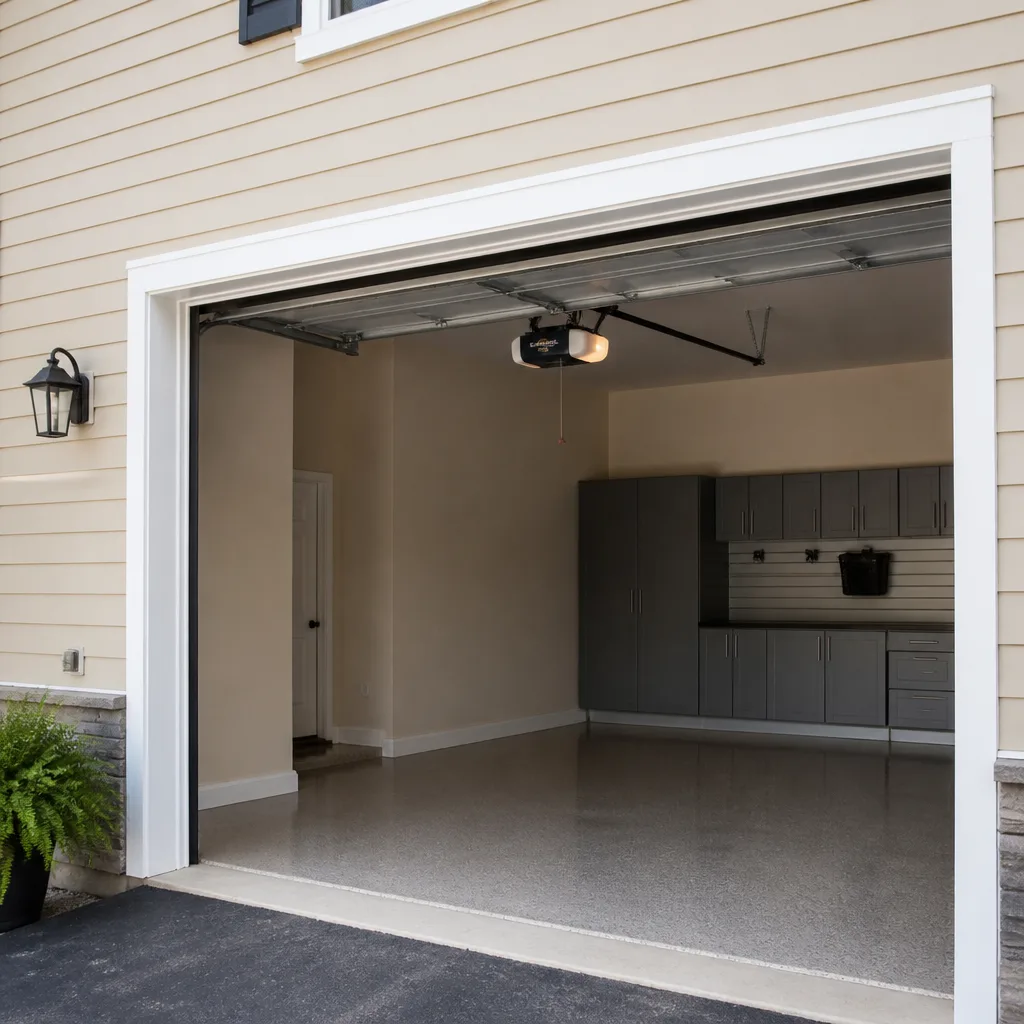 Chamberlain openers
Full 25-point door and opener safety check with every visit - springs, cables, rollers, tracks, and your LiftMaster or Chamberlain opener included
You get a price before we start. It does not change when the pro arrives.
Get your free estimateGarage Door Repair Maintenance Checklist for Elmhurst Homeowners
Most garage door failures aren’t sudden. Ask any technician who’s pulled a snapped torsion spring out of a door and the homeowner usually says the same thing: it had been making noise for months. The warning signs were all there – the door hesitated at the top, the opener groaned, one side hung lower than the other. Six small problems stacked up over eighteen months until the whole system gave out on a Tuesday morning when the car was already running late.
A checklist is only useful if it tells you what to look for and why it matters, not just “inspect your door once a year.” So this one is organized around how doors actually fail in Elmhurst – the freeze-thaw cycles that shake hardware loose every spring, the aging housing stock where original openers are still limping along, and the brand-specific maintenance that keeps a warranty intact. You’ll learn which checks you can do safely from the ground, which ones protect your warranty, and which ones you should never touch.
Quick Answer
A garage door maintenance checklist for Elmhurst should cover six things: a monthly visual and audio check of springs and cables, a balance test, an auto-reverse safety test, proper lubrication of hinges and rollers (not the tracks), a hardware tightness check, and an annual professional inspection. Most of this takes under fifteen minutes a month and is done from the ground. Spring, cable, and opener gear work should always go to a technician.
Styles & brands we work with
- Raised-panel steel
- Carriage house
- Modern flush
- Full-view glass
- LiftMaster openers
- Chamberlain openers
Table of Contents
- Why Elmhurst Doors Fail the Way They Do
- Torsion Spring Wear: Three Safe Tests From the Ground
- The Three-Minute Balance and Auto-Reverse Test
- What to Lubricate, What to Leave Alone, and What Damages Your Door
- Maintenance That Protects Your Warranty, by Brand
- The Seasonal Checklist for Elmhurst’s Climate
- What’s Safe to DIY and What Isn’t
- Opener Health Checks for Smart and Legacy Systems
Why Elmhurst Doors Fail the Way They Do
Elmhurst sits in a climate that is genuinely hard on garage door hardware. Summers are humid enough to swell wooden door panels and work their way into bearings, and winters swing hard between freezing and thawing. That freeze-thaw cycle is the one that matters most. Metal contracts in the cold and expands when it warms, and every one of those cycles nudges bolts, lag screws, and track brackets a fraction looser. Over a single winter a door that started tight can develop a rattle that never quite goes away.
The housing stock adds a second layer. Elmhurst has a lot of older homes where the garage door and opener have been in place far longer than the average national replacement cycle. That means more legacy openers – Craftsman units and older Genie models especially – still running on original gears and belts. We work on these constantly, and the pattern is predictable: the homeowner notices the opener getting louder, ignores it, and then the gear wears through and the door stops mid-travel.
Where you are in Elmhurst shapes the specifics. Doors facing the prevailing winter wind take more stress on the bottom section and the bottom brackets. Homes with mature trees nearby deal with debris in the tracks more often than open lots do. None of this changes the checklist itself, but it changes how often you should run it. In our experience, doors in this climate benefit from the full monthly routine rather than a once-a-year glance.
If you’ve read this far and you’d rather hand the whole thing to someone who does it daily, that’s what Elmhurst Garage Door Repair Co is here for. Our technicians have up to 13 years of experience, and we work on the make and model you actually have rather than guessing.
Torsion Spring Wear: Three Safe Tests From the Ground
Torsion springs are the single most dangerous component on a garage door. They store enough energy to lift the door, and when they fail they fail suddenly. You can assess their condition safely from the ground without ever touching them, and you should. Here are three tests any homeowner can run.
- The gap test. With the door closed, look up at the springs mounted on the shaft above the door. You’re checking for a visible gap in the coil. A spring that has started to separate is on its way out even if the door still works. Any visible gap means stop using the door and call a technician.
- The color-code check. Torsion springs are painted a color that identifies their wire gauge and winding. If that paint is faded, flaking, or rusty, the spring has been under load a long time. Rust is a real warning sign in this climate because moisture works into the coil.
- The sound test. Open and close the door while standing back and just listening. A healthy spring is nearly silent. A twang, a bang, or a grinding scrape at the start of travel points to a spring that’s losing tension or a shaft that needs attention.
What you should never do is try to wind, unwind, or remove a torsion spring yourself. The stored energy in a wound spring can cause serious injury in an instant, and the winding bars and technique involved are not a homeowner job. This is the one part of garage door service where we tell people plainly: don’t. Our garage door spring repair is handled as a core specialty precisely because it’s mishandled so often by generalists.
One more thing worth knowing: torsion springs are usually replaced as a matched pair even when only one has broken. They wear at the same rate, and replacing one leaves you back on the phone within a year. When we quote spring work, the estimate breaks out one spring versus the pair so you can see exactly what you’re paying for.
The Three-Minute Balance and Auto-Reverse Test
These two tests take about three minutes combined and give you a clear pass or fail. Do them once a month, and any time the door has taken a knock.
The balance test. Disconnect the opener using the release cord (pull it straight down, then let it hang). Lift the door by hand to about halfway and let go.
- Pass: The door stays where you left it, or drifts only slightly.
- Fail: The door drops on its own, or rises on its own. Either means the spring tension is wrong, and the opener is now doing work the springs should be doing. That wears out the opener fast.
The auto-reverse test. This is the safety feature that stops the door if something is in the way. With the door open, place a roll of paper towels or a 2×4 flat on the ground in the door’s path. Close the door using the wall control.
- Pass: The door reverses and returns to open the moment it contacts the object.
- Fail: The door keeps pressing down or stops without reversing. Do not use the door until this is fixed. Call a technician.
For openers with safety eyes (photoelectric sensors) mounted near the floor, run one more check: close the door and pass a hand in front of the beam. The door should reverse immediately. If the eyes are misaligned or the lenses are dirty, the opener may refuse to close at all, which is a common call we get. If a sensor or opener has failed outright, our garage door opener repair covers LiftMaster, Chamberlain, Genie, and legacy Craftsman systems alike.
What to Lubricate, What to Leave Alone, and What Damages Your Door
Lubrication is where well-meaning homeowners do the most damage. The most common mistake is reaching for WD-40, which is a solvent and water displacer, not a lubricant. Sprayed on hinges and rollers, it strips the existing grease, attracts dust, and leaves parts dry. Over time that accelerates wear on the very components you were trying to protect.
Here’s what goes where:
- Hinges and pivot points: a white lithium grease or a silicone-based garage door lubricant. A small amount at each hinge knuckle.
- Rollers: a drop of the same lubricant on the roller stem, not the wheel face. Nylon rollers need very little; steel rollers benefit most.
- Springs: a light coat of lubricant on torsion springs reduces coil friction and helps keep rust down in humid weather. Do this with the door closed and don’t put your hands near the coil.
- Tracks: nothing. Tracks should be wiped clean and dry. Lubricant in the tracks attracts grit that packs into the roller path and causes the door to bind.
- Weather seal and bottom rubber: a silicone spray keeps the seal from drying and cracking through winter.
While you’re out there, tighten what’s loose. Walk the tracks and brackets with a socket wrench and check the lag screws that hold the tracks to the wall. In this climate those back out over a season of freeze-thaw. Snug, not cranked – overtightening strips the wood and creates a new problem. Wipe the tracks with a damp cloth and check that the vertical and horizontal sections line up. A track that’s been knocked out of alignment shows as a door that binds at one point in its travel.
Maintenance That Protects Your Warranty, by Brand
Most garage door and opener warranties require reasonable maintenance and exclude damage from neglect. Skipping lubrication, ignoring a misaligned track, or continuing to run a door with a failing spring can all give a manufacturer grounds to deny a claim. The specific terms vary by brand, so keep your paperwork, but the tasks that come up again and again are consistent.
- Clopay doors: the finish and hardware maintenance schedule matters for the surface warranty. Keep the hinges lubed and the bottom seal intact so moisture doesn’t get into the panel edges.
- LiftMaster and Chamberlain openers: the warranty typically hinges on the unit not being run with a door that’s out of balance. A door the opener has to drag is a door that burns out the gear and motor prematurely, and that’s the failure most often traced back to skipped maintenance.
- Genie openers: belt and screw drives need the rail kept clean and the tension checked. A loose belt is a common cause of the opener stalling and a common warranty dispute.
- Wood and wood-composite doors: resealing the panels periodically protects against moisture, which is the enemy in a humid Elmhurst summer.
If you’re unsure what your warranty requires, the manual is the authority. We can tell you what condition the door is in, but we won’t tell you a task is optional if your paperwork says otherwise. When a repair falls under warranty, knowing the exact make and model is what lets us diagnose it correctly the first time rather than replacing parts on a guess.
The Seasonal Checklist for Elmhurst’s Climate
Elmhurst’s four distinct seasons call for slightly different checks. This is the schedule we’d hand a homeowner if they asked what to do when.
- Early spring (after the last freeze): tighten all track brackets and lag screws. The freeze-thaw cycle has been working on them all winter. Check the bottom seal for cracks and the springs for any new gap.
- Late spring: clean and lubricate hinges and rollers. Wipe tracks dry. Run the balance and auto-reverse tests.
- Summer: check for humidity swelling on wood doors and reseal if the finish is worn. Look for rust starting on springs and hinges.
- Early fall (before the first hard freeze): lubricate everything again, test the safety reverse, and check the weather seal. A worn seal lets cold air and moisture in and stresses the bottom section all winter.
- Winter: clear snow and ice from the bottom of the door and the threshold. Never force a frozen door – if it’s stuck to the ground, free it gently first. Ice in the tracks is a common winter problem.
One check that earns its keep year-round is the opener’s force setting, if your model allows adjustment. It should be set so the door reverses on light contact, not so high that it pushes through an obstruction. If your opener is a LiftMaster or Chamberlain with a smart-home app, check the app’s diagnostic readout occasionally. It often flags a force or travel problem before the door visibly misbehaves.
What’s Safe to DIY and What Isn’t
We’d rather tell you honestly what you can handle than sell you a service call you don’t need. Here’s the split.
Safe to do yourself, from the ground:
- Visual and sound inspection of springs and cables
- Balance and auto-reverse tests
- Lubricating hinges, rollers, and springs
- Tightening track brackets and lag screws
- Wiping tracks and cleaning safety-eye lenses
- Replacing the bottom weather seal
Call a technician:
- Anything involving torsion springs or cables – these are under extreme tension and can cause serious injury
- Track realignment when a track has been bent or knocked out of plumb
- Roller or hinge replacement where the door has to come apart
- Opener gear, motor, or circuit board faults
- Any door that has come off its tracks or is hanging unevenly
The line is drawn at stored energy and structural adjustment. If the job involves winding a spring, tensioning a cable, or moving a door section, it’s not a homeowner task, no matter what a video makes it look like. Everything on the safe list you can do in an afternoon with a wrench, a rag, and a can of the right lubricant.
Opener Health Checks for Smart and Legacy Systems
Your opener is the part of the system you interact with daily, so its early warning signs are easy to catch once you know them. For newer smart-home openers – LiftMaster and Chamberlain units with app connectivity, and Genie’s connected models – the app is your best diagnostic tool. It logs force adjustments, travel limits, and any error codes, and a sudden change in the force reading usually means the door has gone out of balance or something is binding.
On older legacy openers – a Craftsman chain drive that’s been running for years, or an early Genie screw drive – watch for a few things:
- Grinding or clicking from the motor housing at the start of travel, which points to worn gears
- The door pausing or reversing partway up, often a sign the force adjustment is maxed out because the door is binding
- A remote that only works close to the door, usually a battery or antenna issue rather than the opener itself
- Lights that flicker or dim when the opener runs, which can mean the outlet circuit is overloaded
If your opener is old enough that parts are hard to find, it’s worth a conversation about whether repair or replacement makes more sense. We work on both ends of that spectrum, which means we’re not going to push a new opener on a unit that just needs a gear. For a full garage door repair diagnosis on any make, we’ll tell you what the door actually needs.
Common Mistakes to Avoid
- Spraying WD-40 on moving parts. It’s a solvent, not a lubricant, and it strips the grease your hinges and rollers need. Use a proper garage door lubricant instead.
- Lubricating the tracks. Tracks should stay clean and dry. Grease in the tracks catches grit and makes the door drag and bind, especially through an Elmhurst winter.
- Overlooking the springs because the door still works. A door that opens fine can be one wind away from a snapped spring. If you’ve seen a gap or heard a twang, stop using it and call.
- Ignoring the balance test. A door that drops on its own is making the opener do work the springs should do. That’s how openers burn out early and warranties get questioned.
- Forcing a frozen door in winter. If the bottom seal has frozen to the ground, lifting with the opener can tear the seal, bend the bottom section, or strip the opener gear.
- Skipping the auto-reverse test. It’s the one safety feature that keeps a closing door from coming down on a person or a pet. Test it monthly and fix it the moment it fails.
- Assuming your brand doesn’t matter. Different openers and doors have different maintenance schedules and warranty terms. Know your make and model so the right parts and procedures get used.
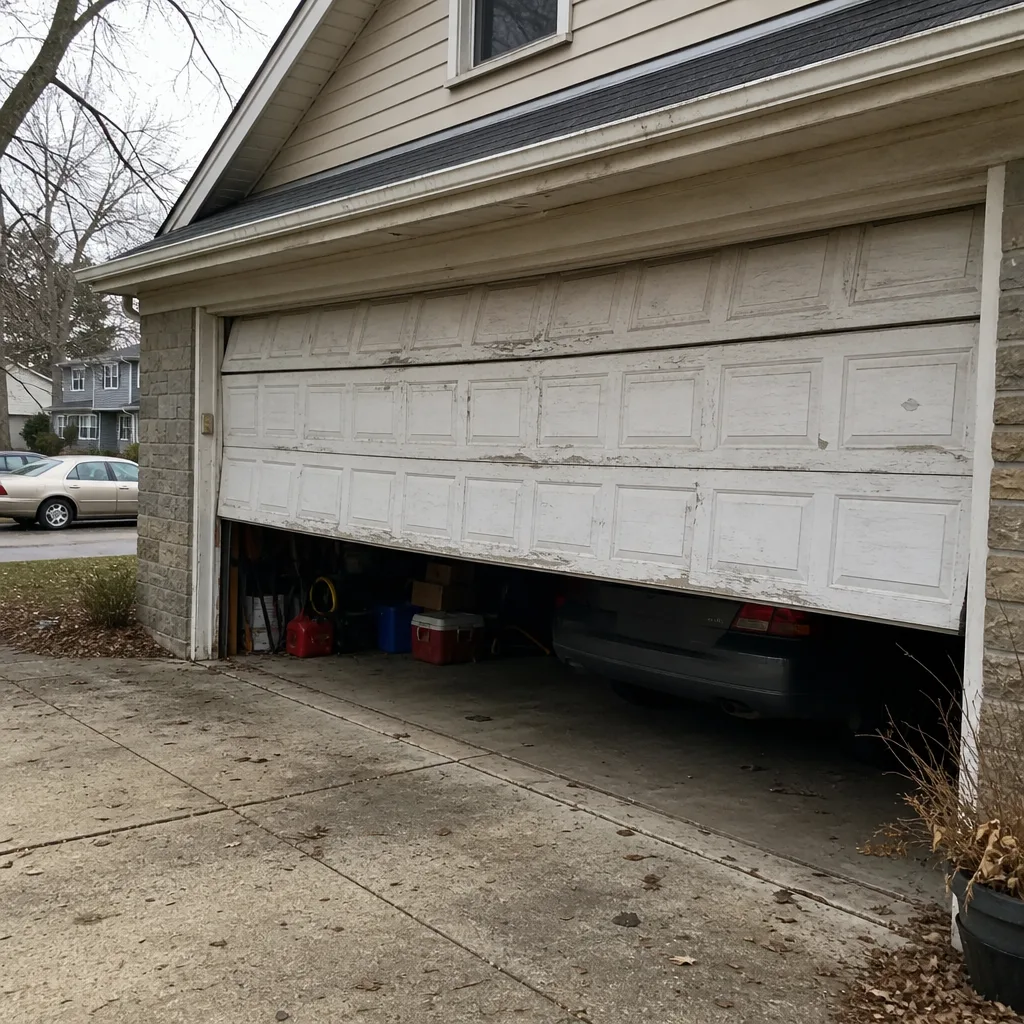
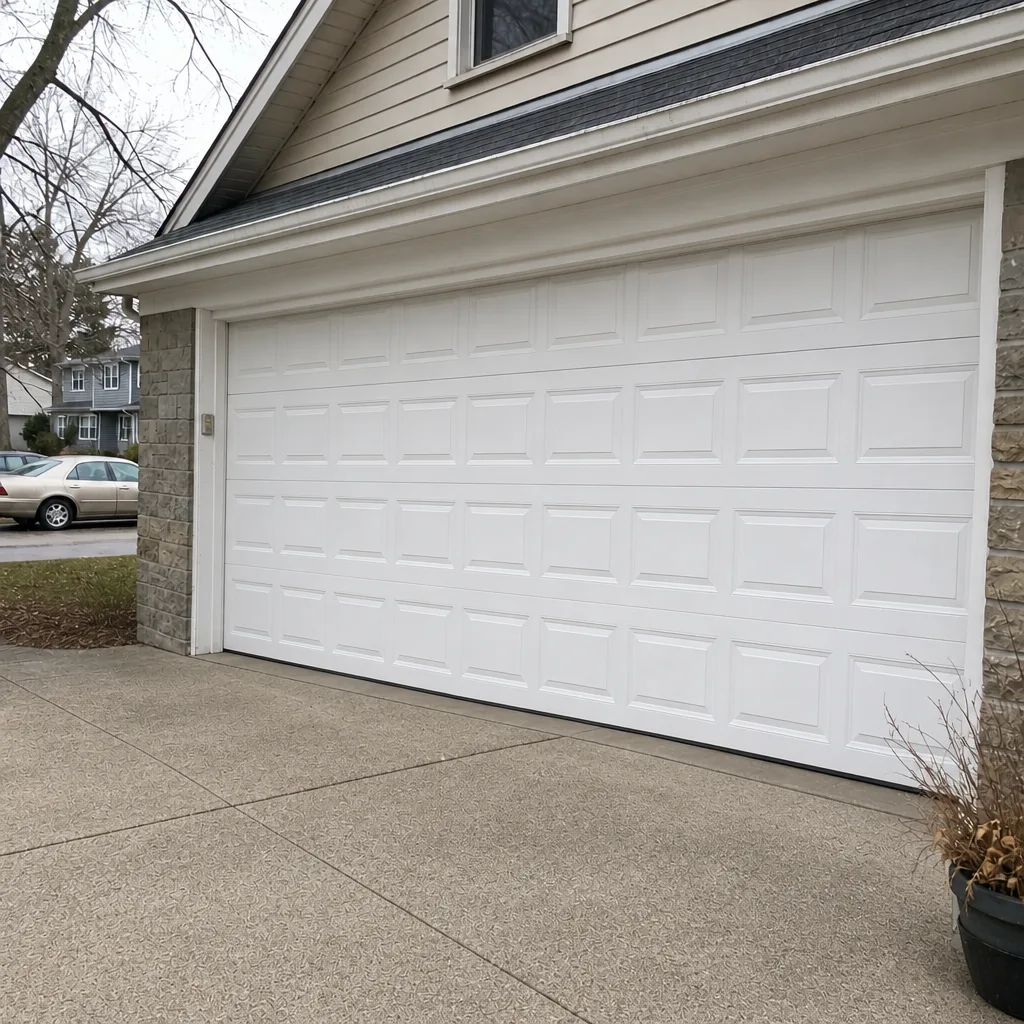
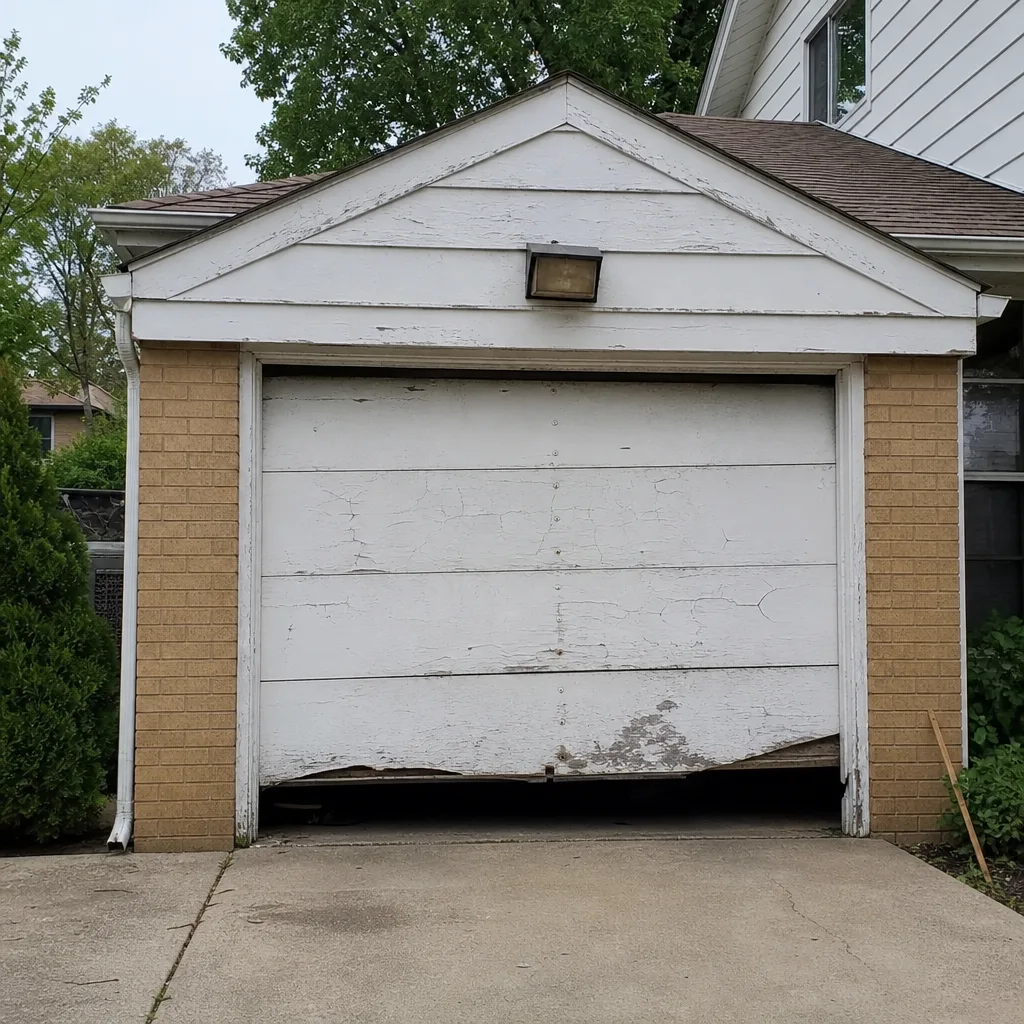
See the difference
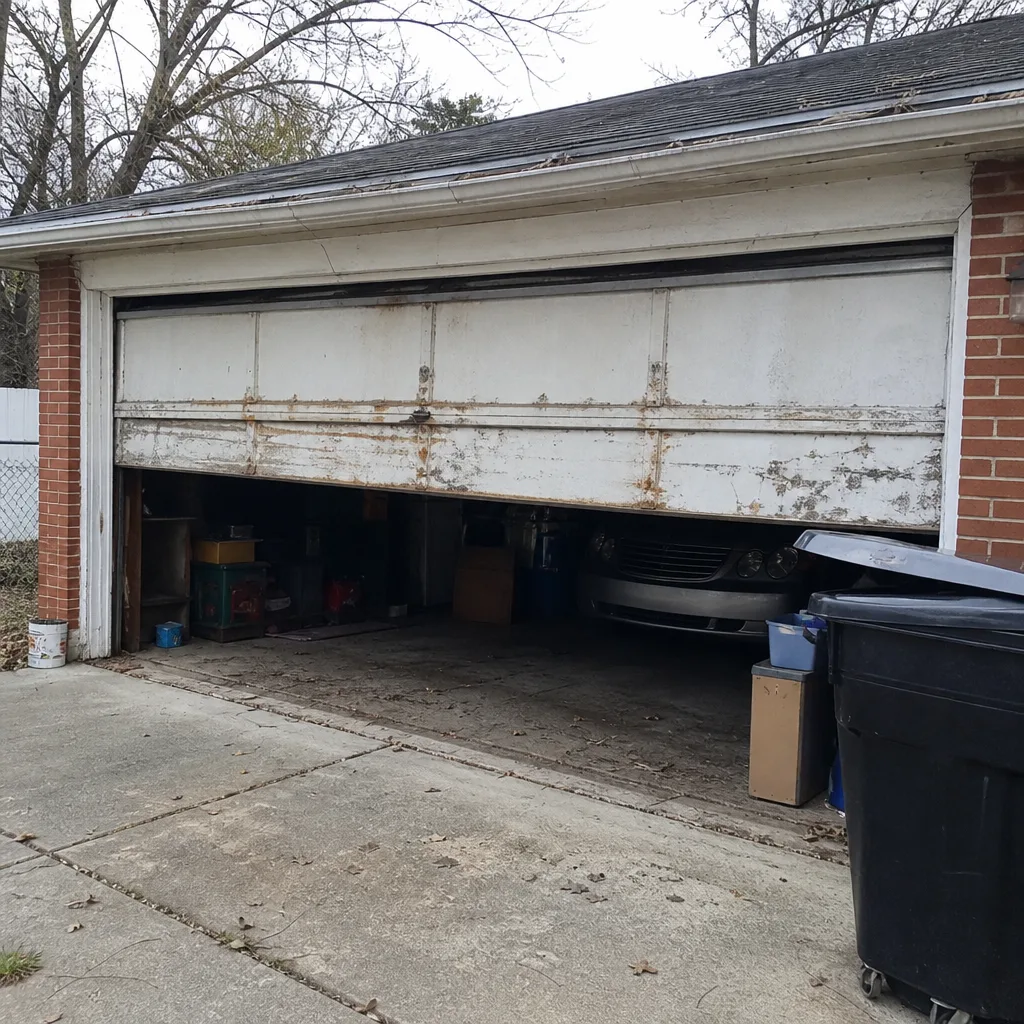 Before
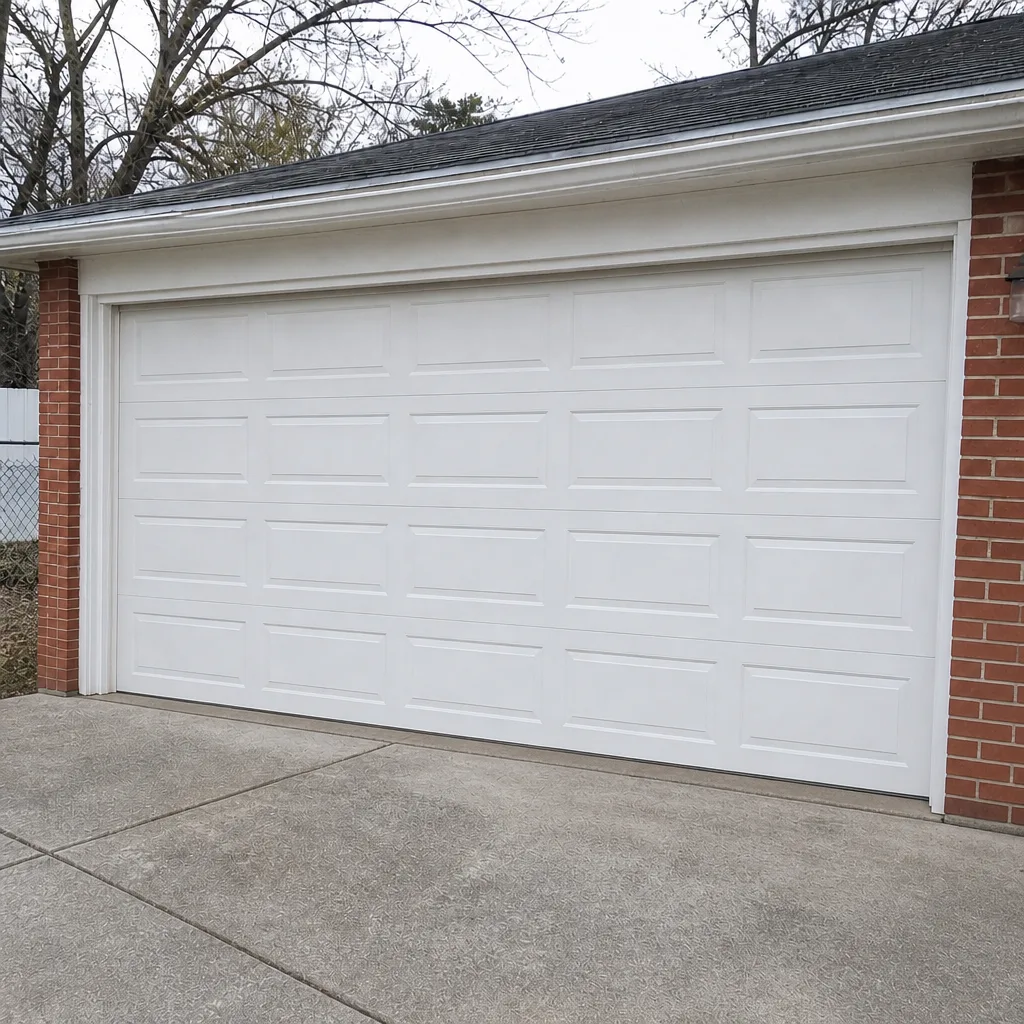 After
 Before
 After
 Before
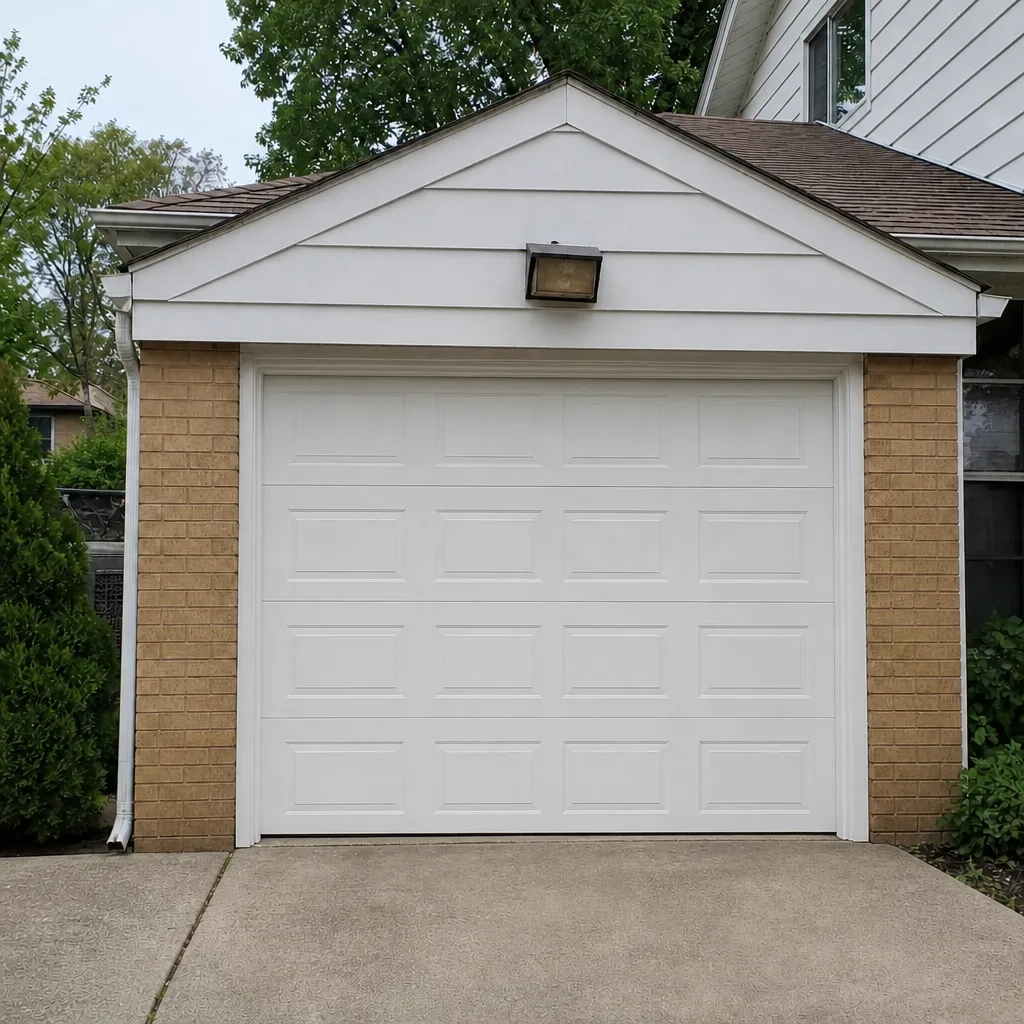 After
When to Call a Professional
Call a technician when anything on the “requires a professional” list comes up: a broken or gapped torsion spring, a cable that’s come loose, a door hanging off its tracks, an opener that grinds or won’t reverse, or a track that’s been bent. Also call if the door fails the balance or auto-reverse test and you can’t resolve it with lubrication and tightening. Beyond emergencies, an annual professional inspection is worth it because a trained eye catches wear from the ground that’s easy to miss. Elmhurst Garage Door Repair Co offers free estimates in Elmhurst – call (833) 868-2688 and we’ll tell you what the door actually needs, quoted and agreed before any work starts.
Frequently Asked Questions
Do the visual, balance, and auto-reverse checks monthly, and lubricate every few months. In our climate, the freeze-thaw cycle works hardware loose over winter, so an inspection right after the last freeze in spring is the most important one of the year. A professional inspection once a year covers what you can’t see from the ground.
You can apply a light coat of lubricant to the outside of torsion springs with the door closed, but never put your hands near the coil or try to adjust them. Winding, unwinding, and removing springs is a job for a technician – the stored energy can cause serious injury. If you’re unsure, leave it to us and we’ll handle it safely.
It usually means the safety eyes are misaligned or dirty, or the opener’s force setting is too low. Clean the lenses and check that the eyes face each other. If it still reverses, the door may be binding or the opener needs adjustment – call (833) 868-2688 and we’ll diagnose it.
We’re closed Saturday and open Sunday through Friday, 7am to 7pm. If your door fails on a Saturday, call and we’ll book you for Sunday. If the door is stuck open, secure the area and call us so we can get you scheduled as soon as we’re back.
It can. Most warranties require reasonable maintenance and exclude damage from neglect – running a door with a failing spring or skipping lubrication can give the manufacturer grounds to deny a claim. Keep your manual and your service records. We work on the major brands, so we can tell you what condition your door is in and what the warranty likely requires.
A routine service visit is typically quoted per job, and the written estimate sets the final price before any work begins. Estimates are free, so there’s no guesswork – call (833) 868-2688 and we’ll give you a clear number. Spring and opener repairs are quoted separately because the parts and labor differ.
The Bottom Line
Garage door failures almost always announce themselves first. The gap you noticed in the spring, the twang you heard, the door that dropped when you let go halfway up – those are the warnings. Run the monthly checks from this guide, use the right lubricant (not WD-40), keep the tracks dry, and test the safety reverse every month. Leave the springs, cables, and structural adjustments to a technician. Do that in an Elmhurst climate and you’ll catch problems while they’re still cheap. If something’s already failing, call Elmhurst Garage Door Repair Co at (833) 868-2688 for a free estimate on the door you already have.
Written by the team at Elmhurst Garage Door Repair Co.