Last updated November 22, 2026
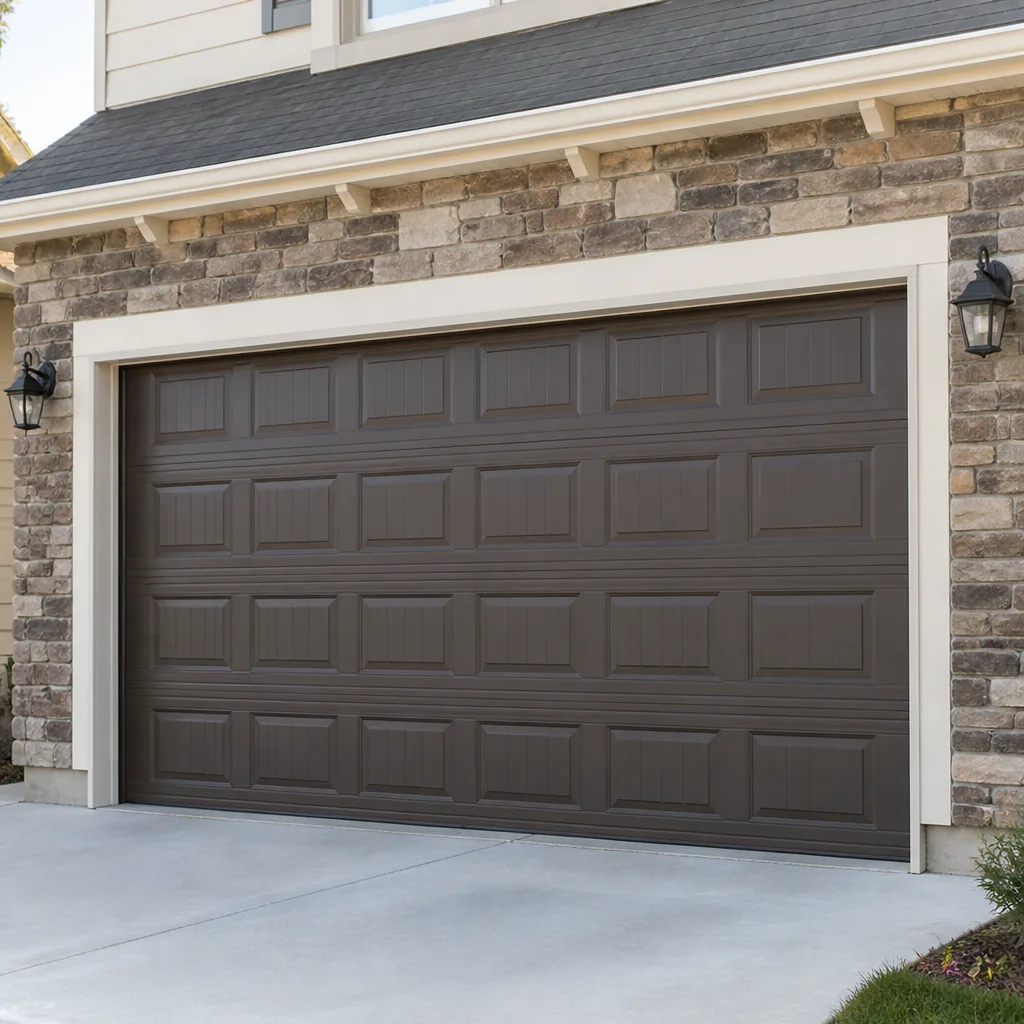 Raised-panel steel
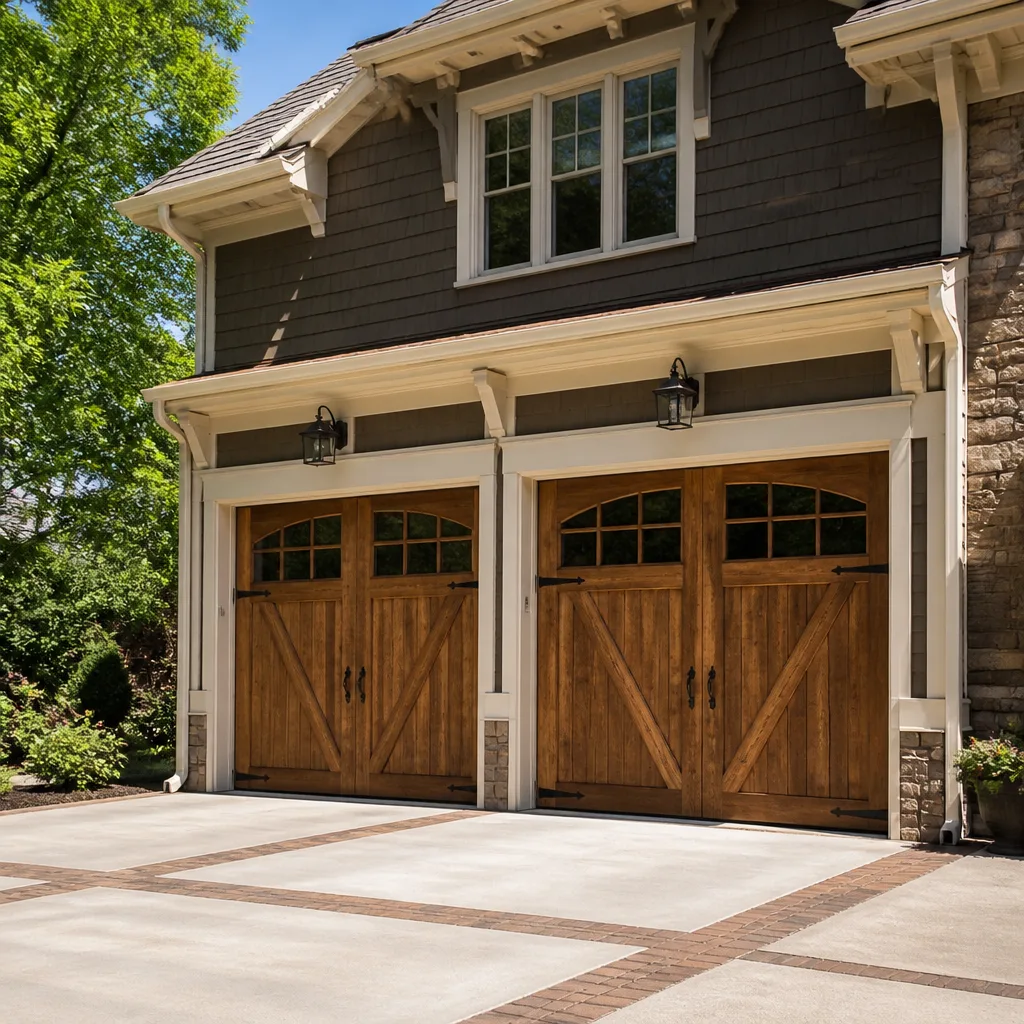 Carriage house
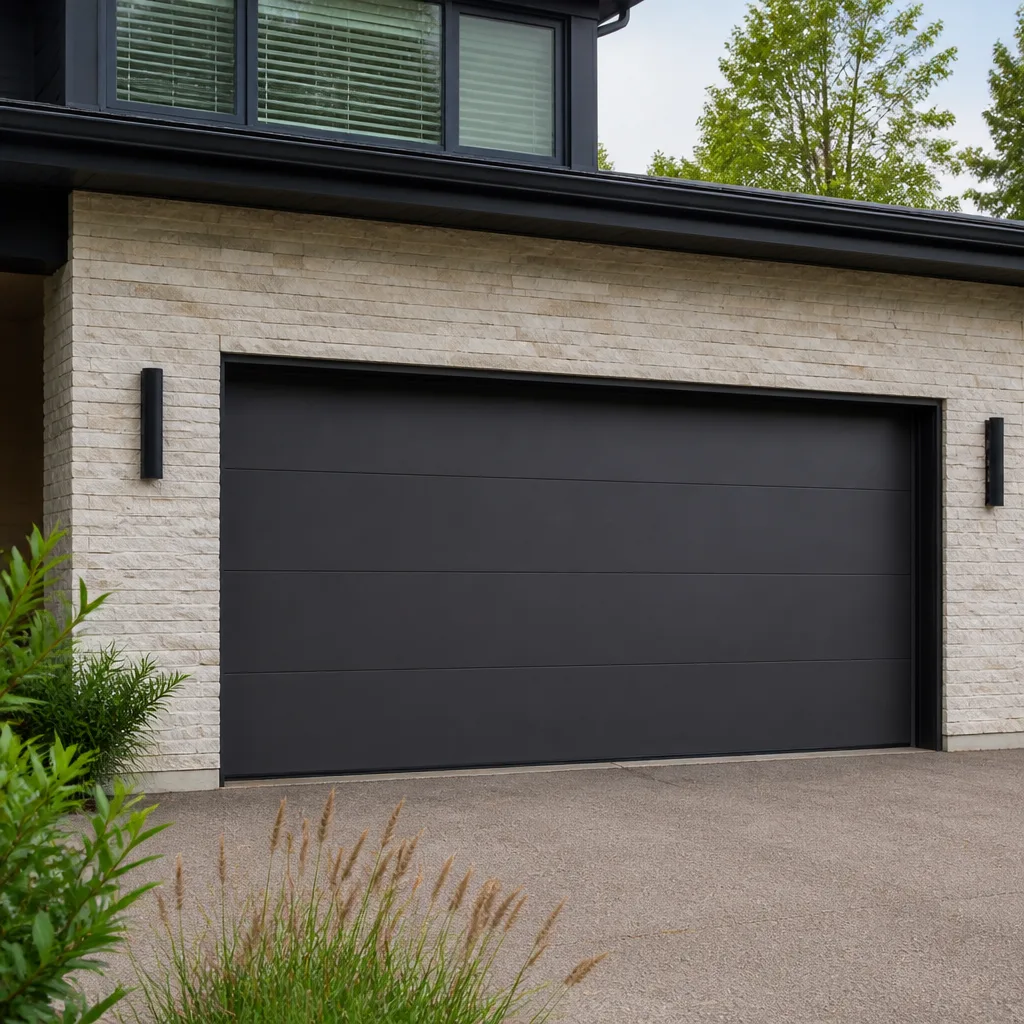 Modern flush
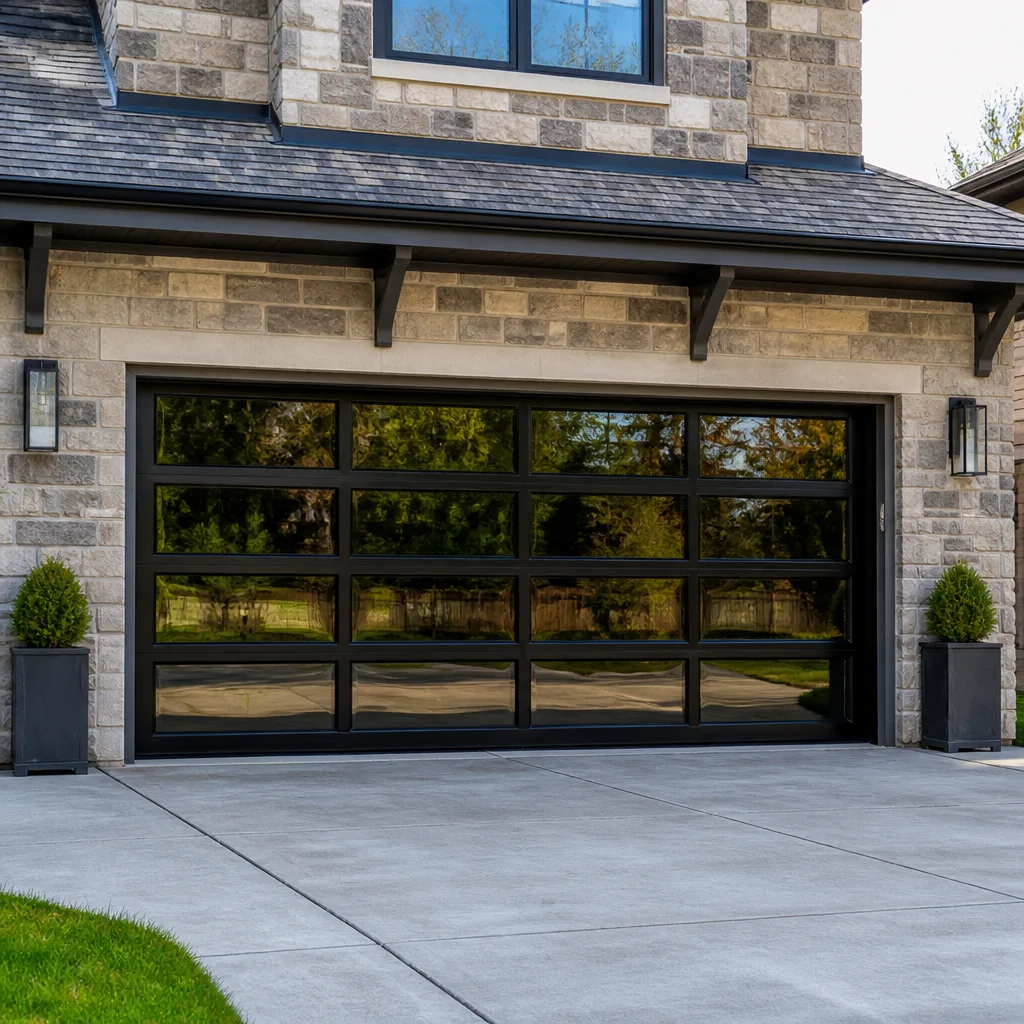 Full-view glass
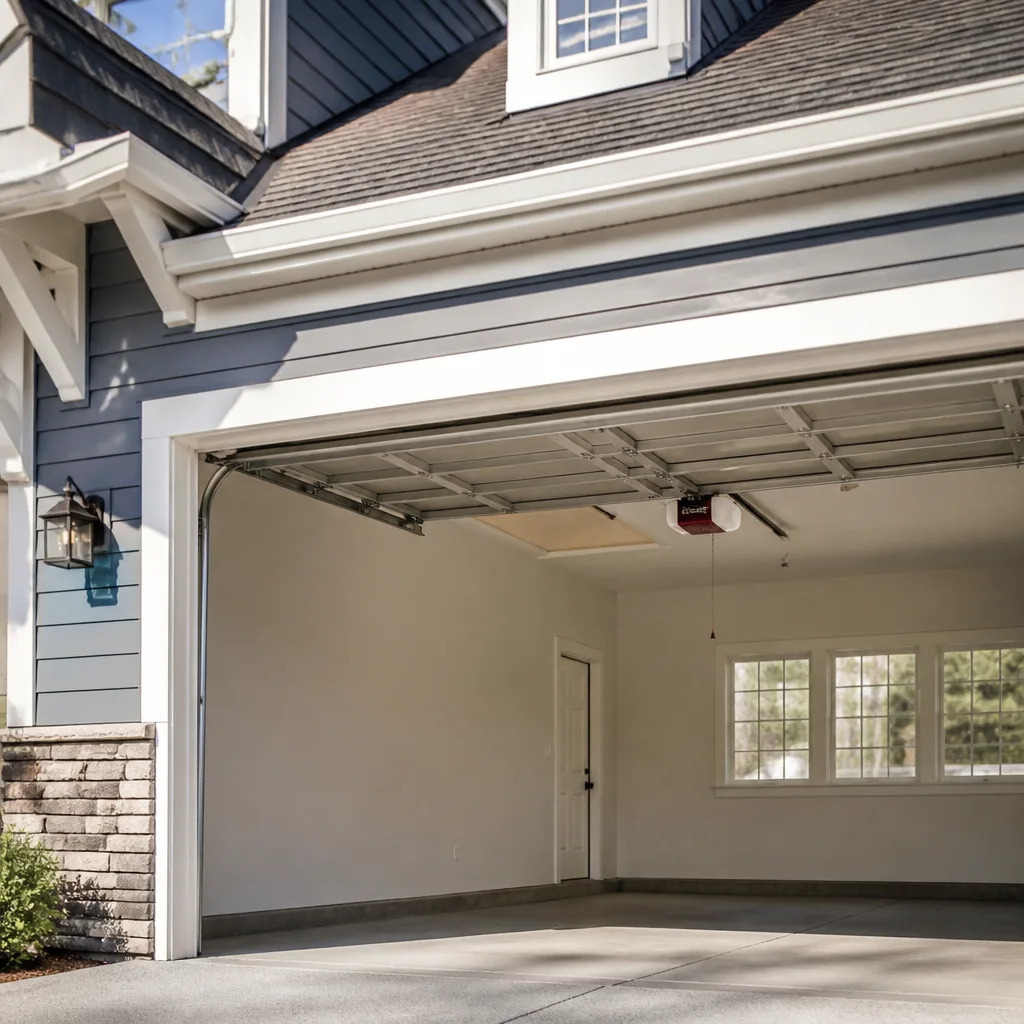 LiftMaster openers
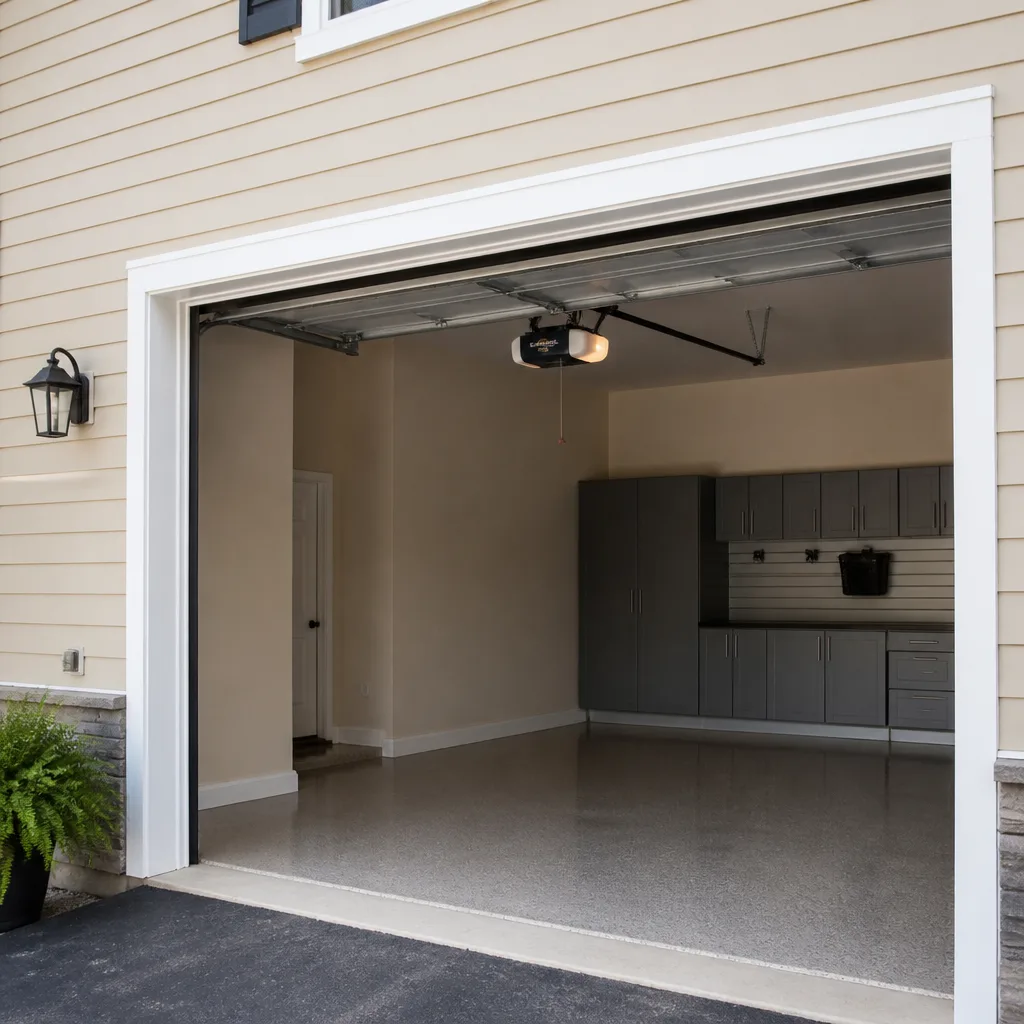 Chamberlain openers
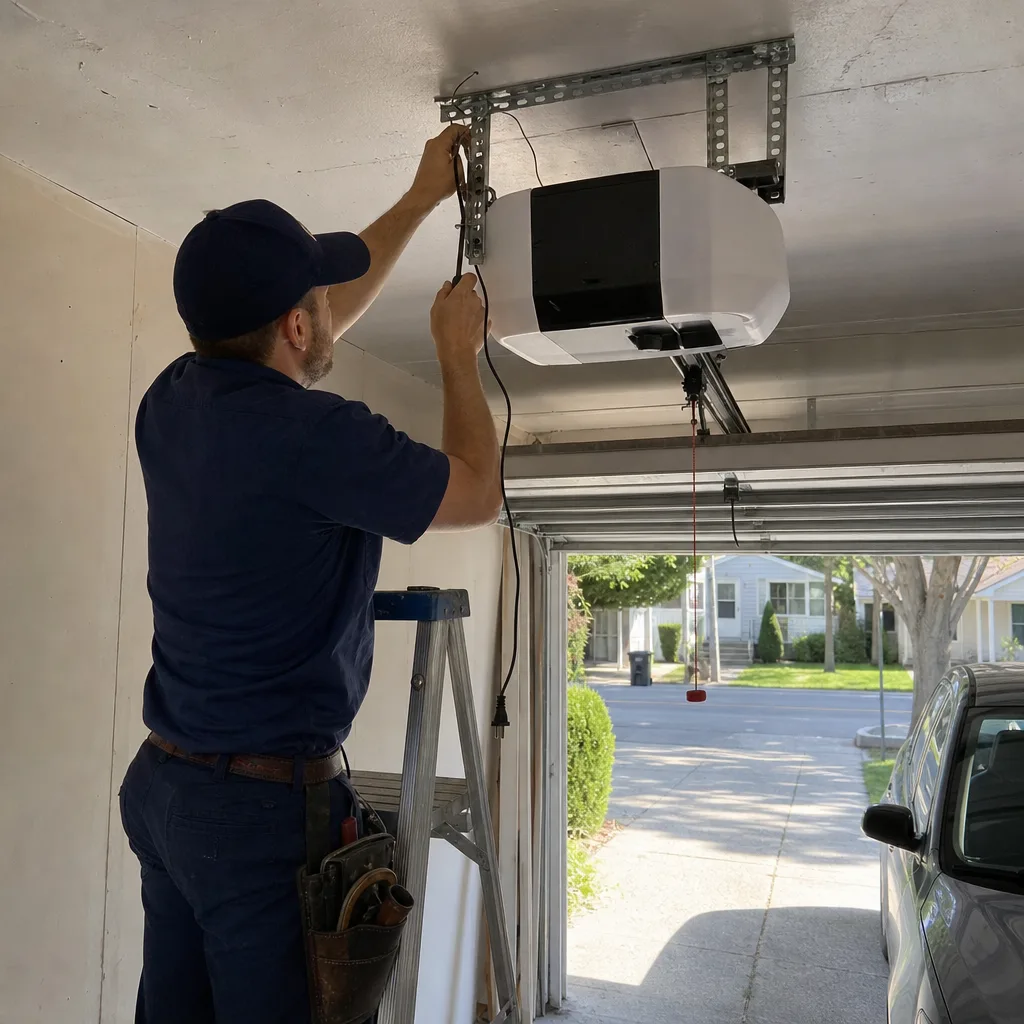
Full 25-point door and opener safety check with every visit - springs, cables, rollers, tracks, and your LiftMaster or Chamberlain opener included
You get a price before we start. It does not change when the pro arrives.
Get your free estimateThe Complete Guide to Garage Doors in Elmhurst
Your garage door is the largest moving part of your home and, in most Elmhurst houses built before 2000, it’s also the least-maintained mechanical system on the property. That’s the counterintuitive part: homeowners here will service the furnace every fall and rotate the tires on schedule, then let the door that opens and closes a few thousand times a year run on original springs and a track that hasn’t been looked at in a decade. A garage door in Elmhurst isn’t a product you pick off a shelf. It’s a system – springs, cables, tracks, rollers, hinges, bottom seal, opener, and the framing of the house itself – and every part of that system answers to DuPage County weather. This guide walks through how the local freeze-thaw cycle wears a door down, which materials actually hold up here, how to measure your existing opening before you shop, what area HOAs tend to restrict, and how to tell a full-service specialist from a chain installer before you sign anything.
Quick Answer
A garage door in Elmhurst should be treated as a complete system, not a single purchase. The freeze-thaw cycle common to DuPage County winters stresses springs, bottom seals, and track alignment more than a mild climate does, so maintenance and material choice matter as much as style. Before you buy anything, measure your existing header clearance and side room, check your HOA’s rules on door style and color, and decide up front whether you want a repair specialist who can also install – because that choice determines who answers the phone when something goes wrong two winters later.
Styles & brands we work with
- Raised-panel steel
- Carriage house
- Modern flush
- Full-view glass
- LiftMaster openers
- Chamberlain openers
Table of Contents
- How Elmhurst’s Freeze-Thaw Cycle Wears Out Your Door
- Which Door Materials Hold Up Best in Elmhurst
- How to Read Your Door’s Header Clearance and Side Room
- What Elmhurst-Area HOAs Restrict About Doors
- Local Specialist vs. Chain Installer: The Difference After Installation
- A Seasonal Maintenance Checklist for Elmhurst Homeowners
- Repair or Replace? How to Decide
- What Garage Door Work Typically Costs in Elmhurst
How Elmhurst’s Freeze-Thaw Cycle Wears Out Your Door
Elmhurst sits in a climate that swings above and below freezing repeatedly through winter, and that cycle is the single biggest reason garage doors here fail earlier than their rated lifespan suggests. Water gets into small gaps, freezes, expands, and thaws. Repeat that a few dozen times between November and March and the wear shows up in three predictable places.
Torsion and extension springs. A spring is under constant tension, and cold metal is more brittle than warm metal. Springs that would last many years in a mild climate cycle through far more stress cycles here because the door is heavier to lift when the seals stiffen and the lubricant thickens. Lubrication isn’t cosmetic in Elmhurst – it’s the difference between a spring that runs its expected cycle count and one that snaps on a cold morning.
Bottom seal integrity. The bottom seal is the rubber or vinyl strip along the floor line. When it holds, it keeps out meltwater, snow, and the drafts that pull heat out of an attached garage. When it cracks, water gets under the door, freezes to the floor, and the next time the opener lifts, it tears more of the seal away. A failing bottom seal in Elmhurst is one of the most common and cheapest fixes we see, and one of the most ignored.
Track alignment. The ground shifts with frost heave, and a garage slab that was level in July may not be level in February. A door that was perfectly aligned in summer can bind slightly in winter, and a binding door puts lateral stress on the tracks and rollers. That’s why a door that “just started making noise” often needs a track adjustment rather than a new opener.
If your door is binding, jerking, or leaving a gap at the floor, that’s usually the moment to have it looked at rather than wait for a full failure. A quick diagnostic visit to the garage door repair team can tell you whether it’s a seal, a track, or something deeper.
Which Door Materials Hold Up Best in Elmhurst
There’s no single best material for an Elmhurst garage door – there’s only the right trade-off for your house, your budget, and how much maintenance you’re willing to do. The three most common choices each have a real weakness that sellers rarely mention.
Steel. Steel is the most widely installed door material in the Chicago suburbs for good reason: it’s strong, it insulates well when it’s built with a foam core, and it holds paint through temperature swings. The trade-off is that steel dents on impact and, if the factory finish chips, moisture gets under the paint and rust starts at the bottom edge where road splash collects. For most Elmhurst homes, a well-insulated steel door in a neutral color is the practical default. Clopay and Amarr both make steel doors in the sizes and styles that fit typical Elmhurst two-car garages.
Wood composite. Wood and wood-composite doors give you the carriage-house look that’s popular on older Elmhurst streets, and they take paint and stain beautifully. The trade-off is upkeep: wood moves with humidity, and a door that faces the afternoon sun can need refinishing every few years. In a climate with humid summers and freezing winters, wood needs attention or it warps and cracks.
Aluminum. Aluminum is light, rust-resistant, and works well for full-view glass doors where the frame matters more than insulation. The trade-off is that aluminum is the least insulating of the three and dents more easily than steel. It’s a great choice for a modern aesthetic on a detached or minimally heated garage. It’s a poor choice if you need the garage to hold warmth through a DuPage County winter.
A quick way to compare:
- Steel: best all-around value, strong insulation, dents on impact, needs touch-up at the bottom edge.
- Wood composite: best looks, needs periodic refinishing, sensitive to humidity.
- Aluminum: best for glass-heavy designs and rust resistance, lowest insulation, easiest to dent.
Whichever you pick, the door has to match the opener and the framing. That’s the coordination piece a lot of buyers skip.
How to Read Your Door’s Header Clearance and Side Room
Before you shop for a replacement door, measure four things about your existing opening. This is the step most homeowners skip, and it’s the reason a door that looks right in a showroom can’t be installed in your garage without extra framing work.
- Width and height of the opening. Measure at the widest and tallest points, in three places each, and use the smallest number. Older Elmhurst garages are often slightly out of square.
- Header clearance. This is the space between the top of the opening and the ceiling. It determines whether a torsion spring system fits above the door and how much room the door has to travel up and back.
- Side room. This is the distance from the edge of the opening to the nearest wall on each side. It controls where the tracks and spring hardware can be mounted.
- Back room. This is how deep the garage is behind the opening. It determines whether a standard-lift or low-lift track configuration works.
If you’re replacing like-for-like, you can usually match the existing door’s dimensions and avoid surprises. If you’re changing style or going from an older wooden door to an insulated steel one, the weight increases and the opener and spring system often need to be upgraded with it. That’s the kind of thing that gets caught in a free measure and missed by an online order. When a technician comes out to measure, they’re checking all four dimensions against the door you’re considering, and against the opener that will lift it.
If the door is old and the opener is older, this is also the natural moment to look at garage door opener repair versus replacement – a new door on a tired opener wears out both faster.
What Elmhurst-Area HOAs Restrict About Doors
Elmhurst and the surrounding DuPage County communities have a mix of older neighborhoods with no HOA and newer subdivisions with detailed architectural rules. The restrictions that come up most often involve style, color, and window treatment, and they’re usually easier to satisfy on the first try than to fix after the door is up.
Common restrictions include:
- Color palettes. Many associations limit you to a set list of neutral colors, often tied to the home’s exterior trim or roofline.
- Panel style. Carriage-house, raised-panel, or flush-panel styles may be specified, or one may be prohibited outright.
- Windows. Whether windows are allowed, and if so, whether they must be stacked or in a particular row pattern.
- Materials. Some rules require that the door material match the home’s exterior or that wood-look finishes be avoided or specified.
- Consistency of frontage. A few associations require that doors on the same street or block read as a set, so a single modern flush door in a row of carriage-house doors may not be approved.
The way to get it right the first time is to pull your association’s architectural guidelines before you choose a door, then pick a model that’s clearly within them. If the rule is ambiguous, get written approval before ordering. A door that has to come back down is a far more expensive problem than a short delay at the planning stage. The same applies to a color match: a “close enough” color in a photo reads very differently in daylight next to a neighbor’s door.
Local Specialist vs. Chain Installer: The Difference After Installation
The biggest difference between a full-service local specialist and a chain installer isn’t the price on the estimate. It’s what happens when something goes wrong three winters after the install. A chain installer’s job ends when the truck leaves. A specialist who diagnoses and repairs the same doors day in and day out – including on the brands you own – is the one you can call when a spring lets go or the opener stops responding.
That matters more than people expect in Elmhurst, because the freeze-thaw cycle stresses doors in ways a showroom never does. A specialist will match the hardware to the climate and the specific door weight, and will be able to look at a door years later and know exactly what’s inside it. We work on eight of the most widely installed garage door and opener brands – LiftMaster, Chamberlain, Genie, Clopay, Amarr, Wayne Dalton, Craftsman, and Raynor – so when you call, we’re diagnosing the actual make and model, not guessing from a photo. Opener work covers both smart-home-integrated systems and older legacy models, which matters in a town where a lot of homes still run a Craftsman opener from before the smart-home era.
The other practical difference is scope. A chain that only installs will hand you off to a separate repair company when a panel or cable fails. A full-service specialist diagnoses, repairs, and installs, so the same team that put the door up is the one that can fix it. That continuity is the real value, and it’s the thing to ask about when you compare estimates. If you want the repair side of that to be simple, start with garage door spring repair, which is the job most often mishandled by generalists.
A Seasonal Maintenance Checklist for Elmhurst Homeowners
Fifteen minutes of attention twice a year is the cheapest thing you can do for a garage door in Elmhurst. This is what a technician checks, in the order that prevents the most expensive failures.
- Lubricate the springs, rollers, and hinges. Use a garage-door lubricant, not household oil, and do this before the first hard freeze and again in spring. This is the single biggest contributor to spring life in a cold climate.
- Check the bottom seal. Look for cracks, sections pulled away from the door, and a gap at the floor. Replace it before winter so meltwater can’t get underneath and freeze.
- Look at the cables. Check for fraying or slack near the drums at the top corners. Never touch, adjust, or attempt to repair a cable under tension – call a professional instead.
- Listen and watch. Run the door up and down once and watch it. It should move smoothly without jerking, and the door should stay level side to side. Jerking or binding usually means a track or roller issue.
- Test the safety reverse. Put a small object in the door’s path and confirm the door reverses. This is a safety check, not an adjustment – if it fails, get it fixed.
- Wipe the bottom edge of the door. Road splash and salt from the car collect there and are the first place rust starts on a steel door.
Two of these – the cable check and the spring lubrication – are the ones homeowners most often skip. The first because it’s dangerous to touch, the second because it’s invisible. Skipping the lubrication is the most common reason springs fail early in Elmhurst.
Repair or Replace? How to Decide
If your door is structurally sound and the opener is working, a repair is almost always the right first call. Most garage door problems in Elmhurst come down to a broken spring, a worn roller, a misaligned track, or a failing bottom seal, and all four are fixable on the existing door. Replacing a door because a spring snapped is like replacing a car because the battery died.
The cases where replacement makes more sense:
- The door is showing rust through at the bottom panel, warping, or delaminating – the structure is going, not just the hardware.
- The door is undersized for the opening or the framing, and repair would mean rebuilding around it anyway.
- You’re changing the opener to a smart-home model and the door is older and heavier than the new opener is rated for.
- The door is a wood composite that needs refinishing every couple of years and you’d rather have a low-maintenance steel door.
If the door is beyond repair or you’re ready for a new one, the same team that diagnoses it can supply and install a replacement, so you’re not sourcing a second contractor. And no matter which side of the decision you land on, the spring is the part that fails dangerously – that’s not a job for a Saturday afternoon project. Torsion springs and the cables attached to them are under extreme tension, and a wrong move can cause serious injury. Call a trained professional for anything involving the springs or cables, every time.
When you’re ready to replace, you can compare sizes and styles with the Elmhurst Garage Door Repair Co team and get a free written estimate before any work starts.
What Garage Door Work Typically Costs in Elmhurst
Costs for garage door work in Elmhurst are driven by the door’s size and weight, the spring type, and whether the opener needs attention. The ranges below are typical estimates for the local market – the written estimate sets the final price, and you’ll always know what it costs before any work starts.
- Spring repair, one torsion spring: typically $180-$340.
- Matched pair of springs: usually about twice the single-spring figure, since they’re replaced together.
- Opener repair or replacement: varies with the model and whether it’s a smart-home system or a legacy unit – quoted on site.
- Bottom seal replacement: a small line item that prevents much larger problems.
- Full new-door installation: measured and quoted in writing, based on door size, material, and opener pairing.
For a pair of springs, budget for the pair. A matched set is replaced together because a new spring next to an old one will fail early – and the second spring is the one homeowners are tempted to skip. For an exact number, call (833) 868-2688 and we’ll give you a free estimate on site.
Common Mistakes to Avoid
- Replacing one spring on a matched pair. When one spring fails, the other is usually near the end of its cycle count. Replacing only the broken one means paying for the same visit twice, often within the same winter.
- Ignoring the bottom seal until the floor floods. In Elmhurst’s freeze-thaw cycle, a cracked seal lets meltwater freeze under the door. It’s one of the cheapest fixes and one of the most commonly skipped.
- Ordering a door without checking the opener. A heavier insulated door needs an opener rated for the weight. The mismatch wears both out and is the kind of thing a free measure catches before you order.
- Choosing a door style in isolation. Picking a modern flush panel that clashes with the neighborhood, then discovering the HOA requires carriage-house, is a far more expensive mistake than checking first.
- Trying to adjust a spring or cable yourself. Torsion springs are under extreme tension and can cause serious injury. The right move is to stop and call a trained professional.
- Letting the opener outrun its door. A tired opener on a new door, or a new opener on a worn track, wears both faster. They’re a system and they should be matched.
- Skipping lubrication because “it still works.” A door that runs smoothly in July can bind as the temperature drops. Lubrication is the cheapest way to extend spring life in a cold climate.
See the difference
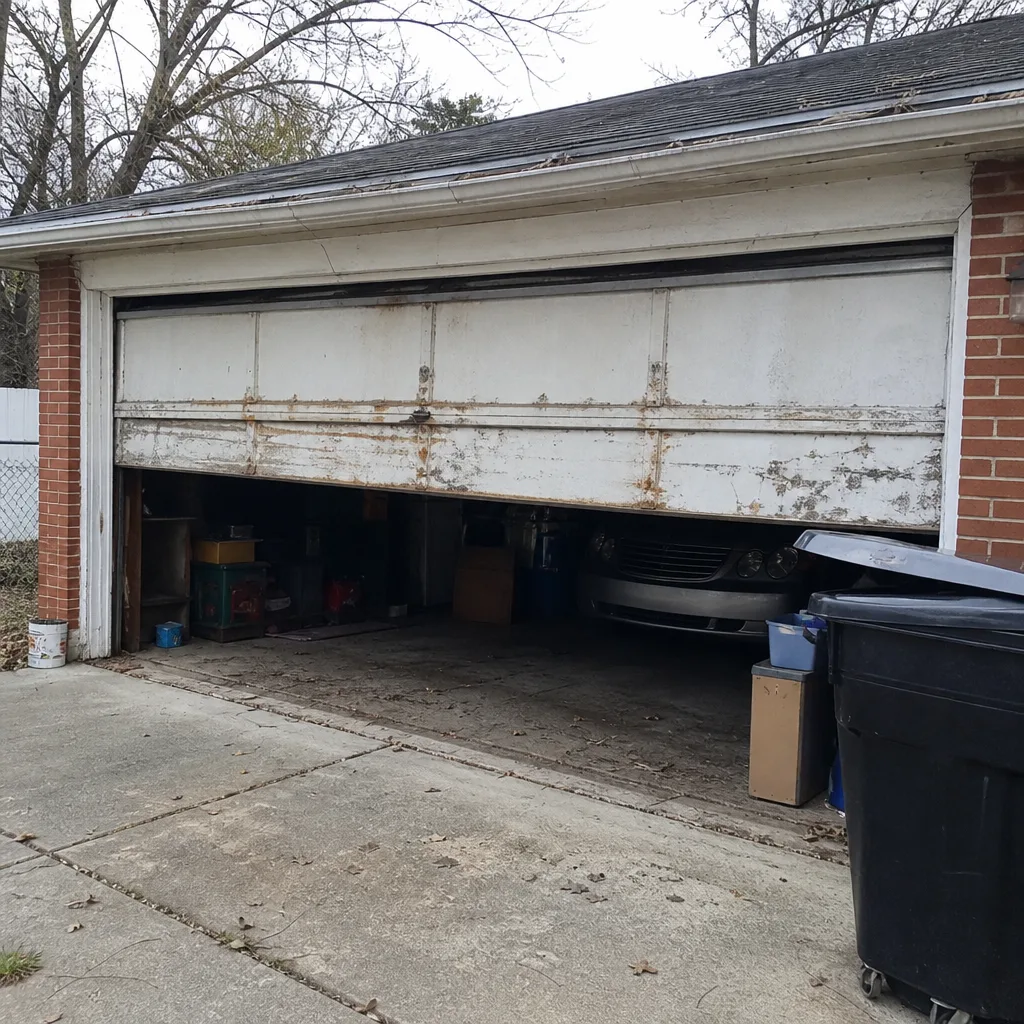 Before
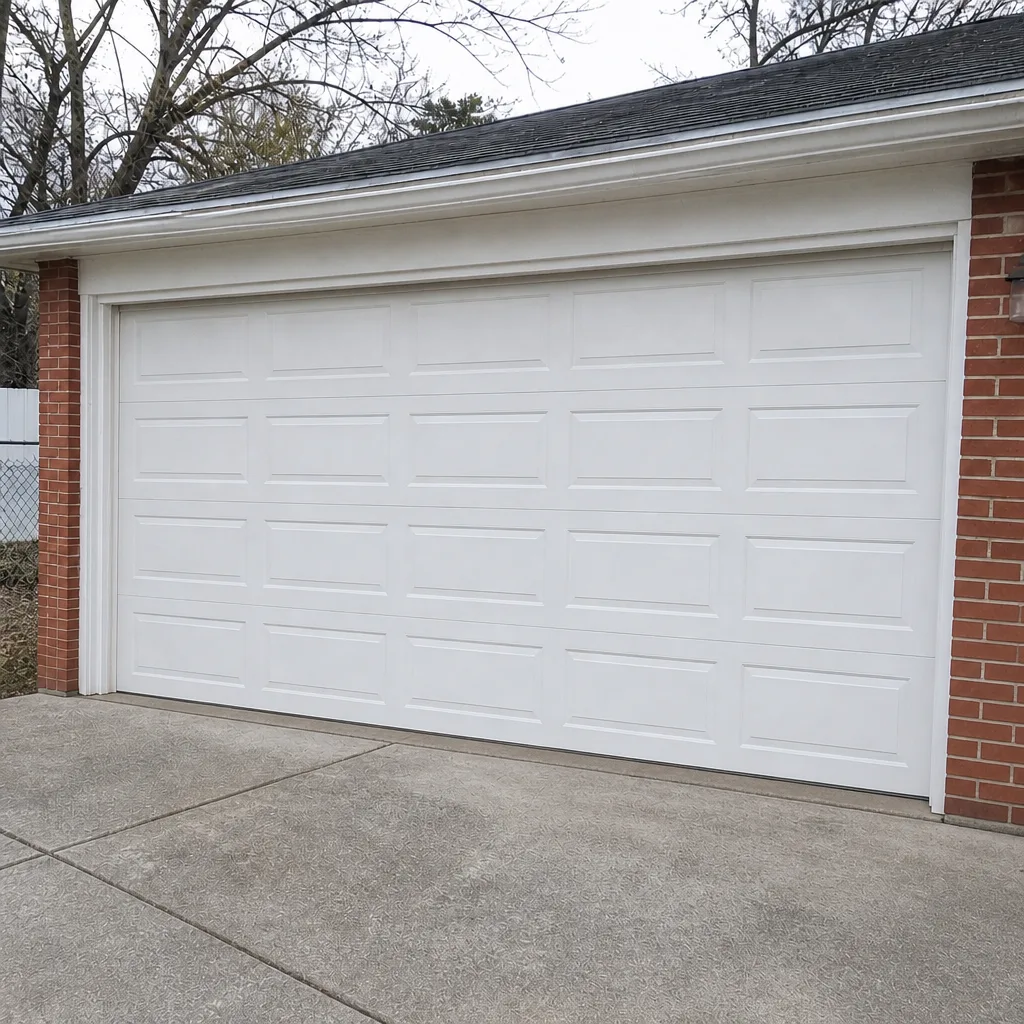 After
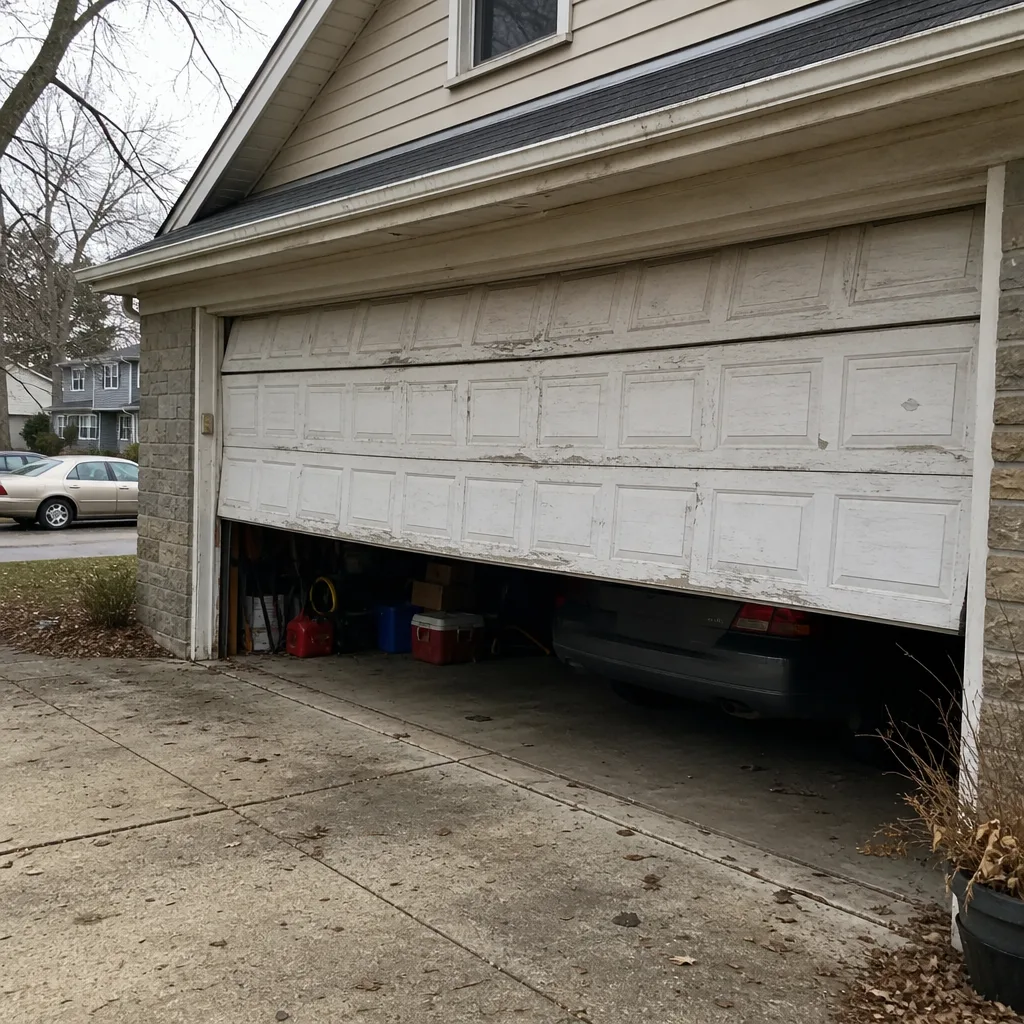 Before
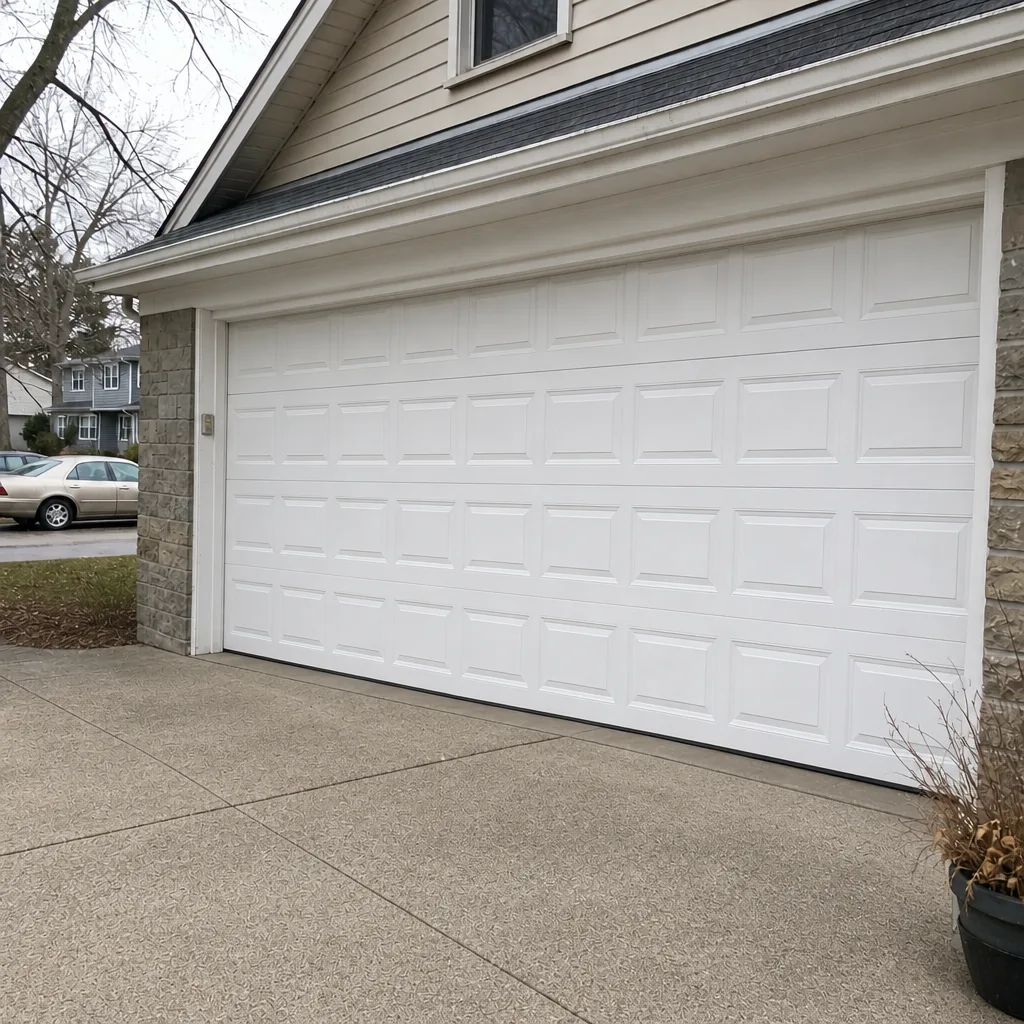 After
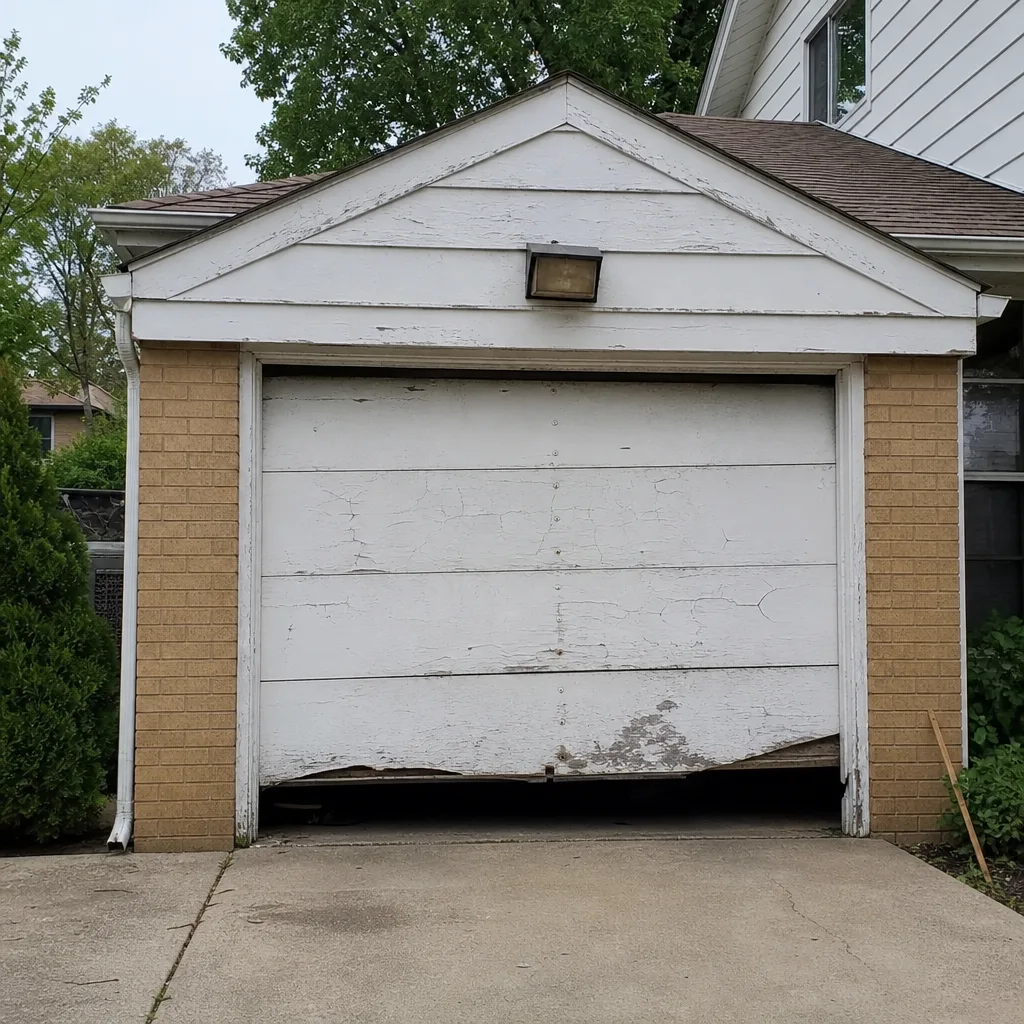 Before
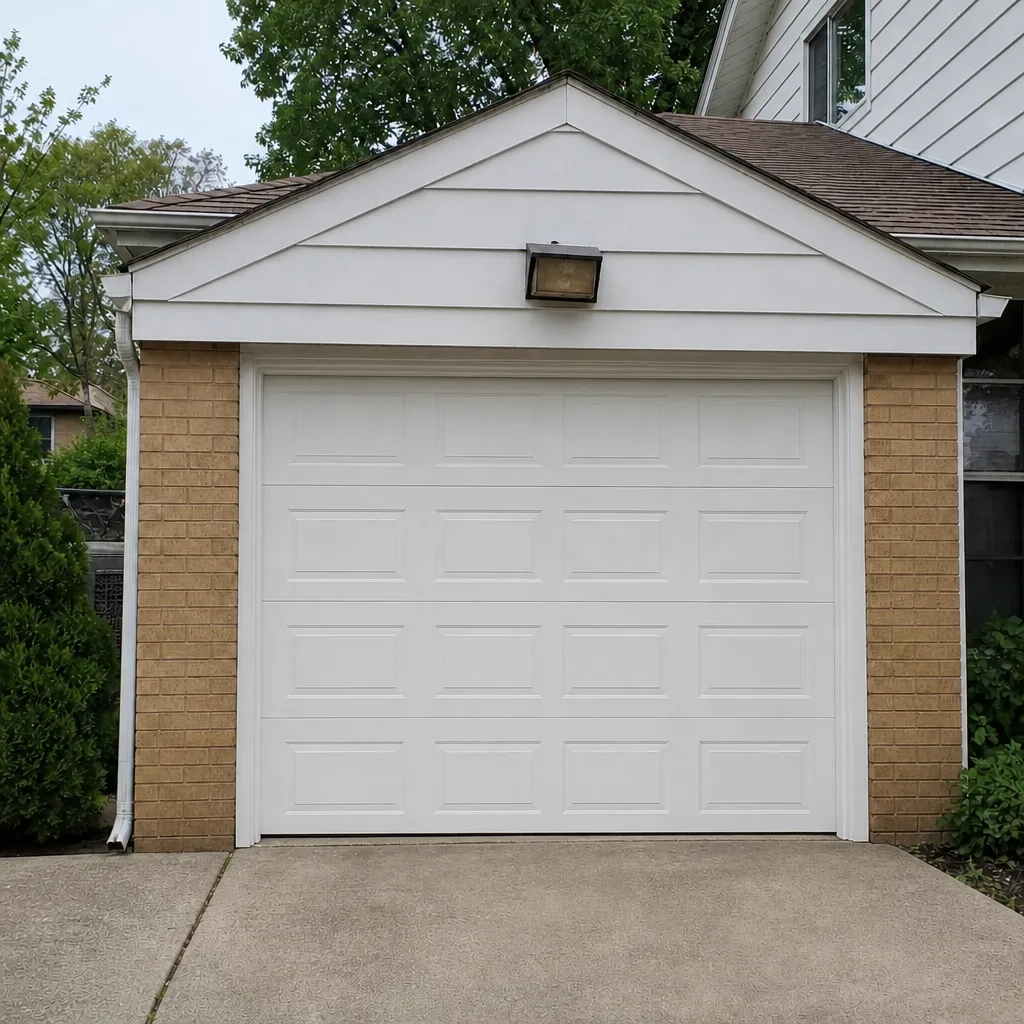 After
When to Call a Professional
Call a professional when a spring has snapped, a cable is frayed or slack, the door has come off its track, the opener isn’t lifting the door, or the door won’t open and the garage is stuck closed. Spring and cable problems are dangerous and shouldn’t wait. An opener that reverses for no reason, a door that binds on the way up, and a bottom seal that’s leaving a gap all warrant a diagnostic visit before they turn into bigger repairs.
Elmhurst Garage Door Repair Co offers free estimates in Elmhurst and handles spring repair, opener service, and emergency garage door service for doors that can’t wait. Our technicians have up to 13 years of experience, and we work on the brands you actually have. Call (833) 868-2688 for a free estimate, and the local pro we connect you with will quote and agree the price before any work starts.
Frequently Asked Questions
Spring repair in Elmhurst typically costs $180-$340 for one torsion spring, and a matched pair is usually about twice that because the set is replaced together. The written estimate sets the final price before any work starts. Call (833) 868-2688 – estimates are free.
Cold metal is more brittle and the door is heavier to lift when seals stiffen, so the spring works harder and cycles through more stress than in a mild climate. The freeze-thaw cycle also stiffens lubricant and shifts the slab under the door, adding friction. Regular lubrication before the first freeze and again in spring is the best protection.
Same-day service is available for repair calls, and emergency garage door service covers doors stuck open or non-functional. That includes doors that can’t wait and can be booked for Sunday if the problem hits on a Saturday. Call (833) 868-2688 and we’ll get the details and dispatch the local pro.
No. The price is quoted and agreed before any work starts, and the written estimate sets the final price. The one thing that can shift a quote is discovering a problem the door didn’t show on the phone – a second issue like a worn cable – but you’ll be told before anything is done, and you’ll approve it first.
We work on eight of the most widely installed garage door and opener brands – LiftMaster, Chamberlain, Genie, Clopay, Amarr, Wayne Dalton, Craftsman, and Raynor. That covers both smart-home openers and older legacy models, so when you call, the technician diagnoses the actual make and model rather than guessing.
Most cities require a permit for a structural change or a full door replacement, but rules vary by jurisdiction. Ask the city of Elmhurst’s building department what applies to your specific project before ordering. Your HOA may have separate architectural rules, which are a good thing to check at the same time.
The Bottom Line
A garage door in Elmhurst is a system, not a product, and the freeze-thaw cycle here exposes every weak point in that system year after year. Springs, bottom seals, and tracks take the stress; steel doors with a foam core and a properly matched opener handle it best; and a few minutes of lubrication twice a year is the cheapest insurance against a cold-morning failure. Measure your opening before you shop, check your HOA rules before you choose a style, and pick a specialist who can both install and repair – because the installer’s job ends when the door goes up, and the specialist’s doesn’t. Call (833) 868-2688 for a free estimate, and the local pro will walk the door through the same checklist we use.
Written by the team at Elmhurst Garage Door Repair Co.