Last updated November 22, 2026
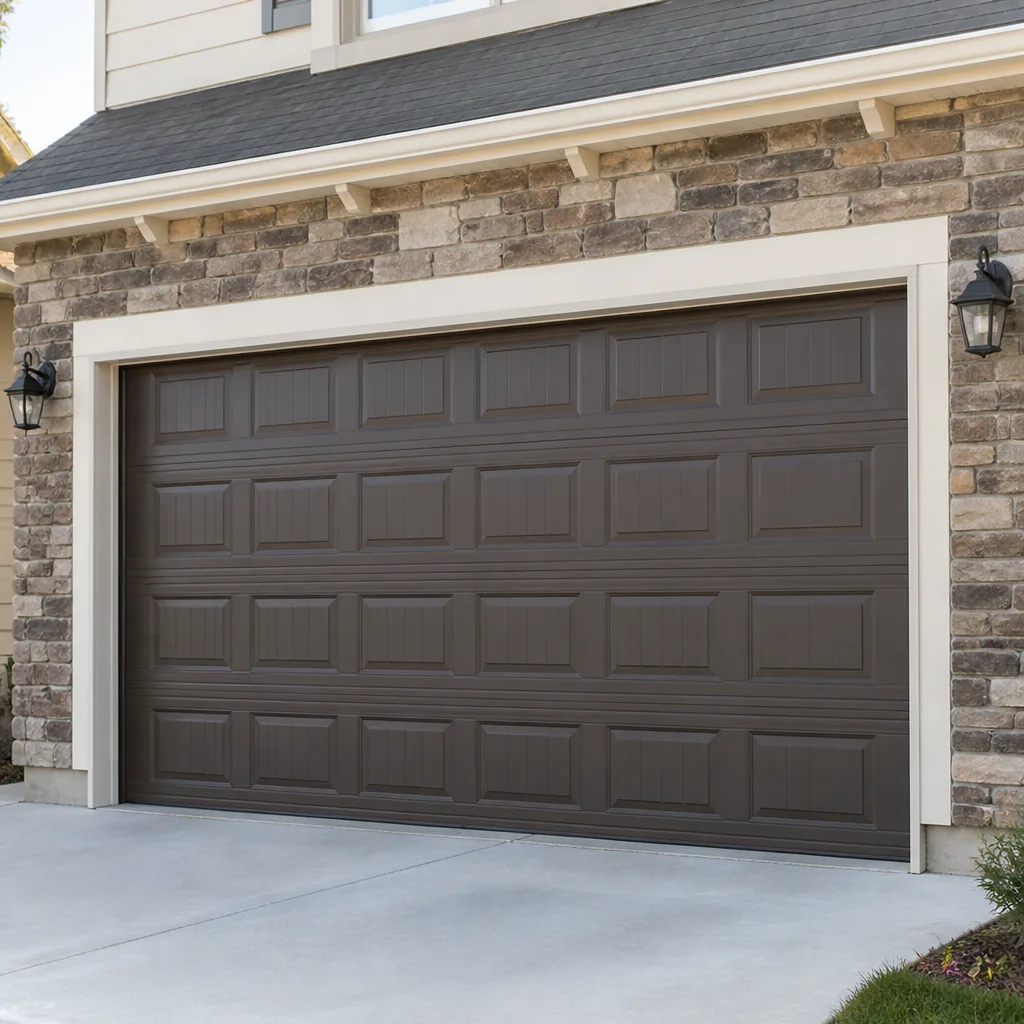 Raised-panel steel
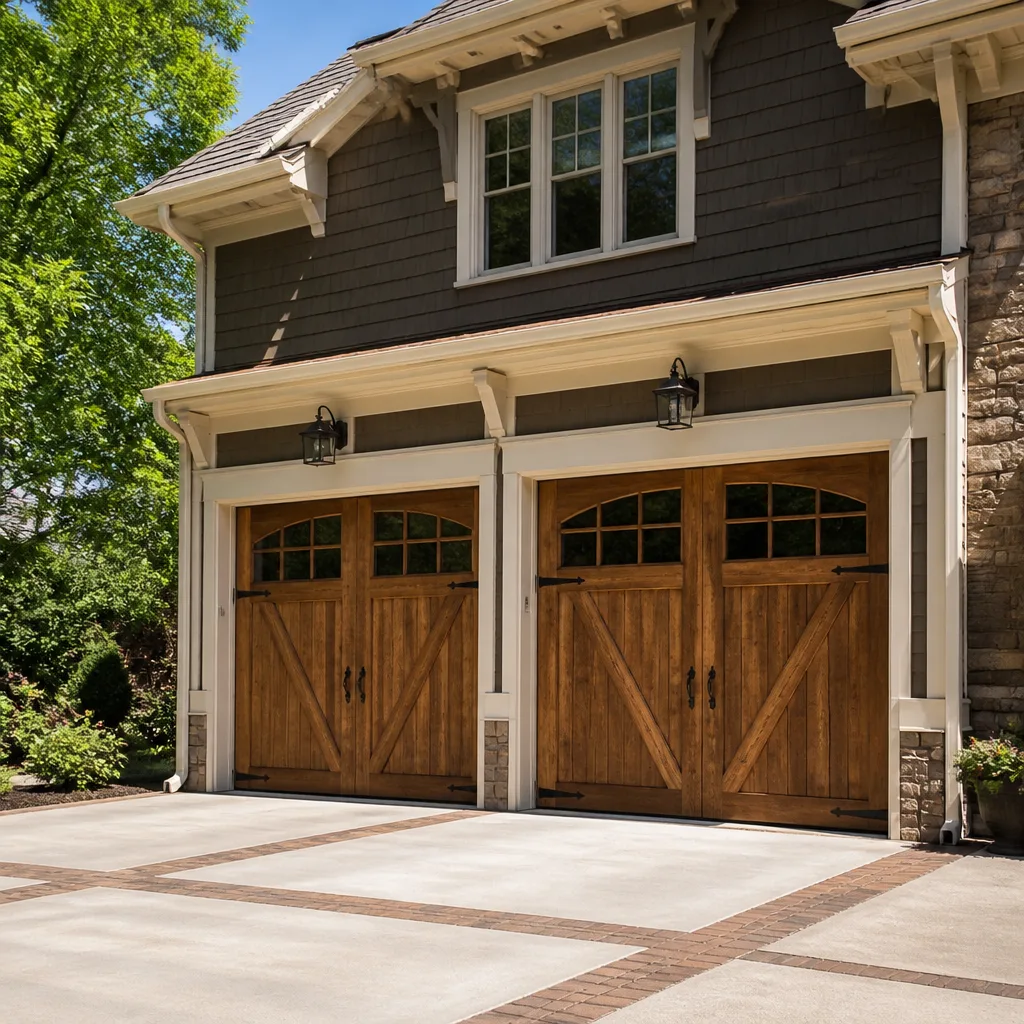 Carriage house
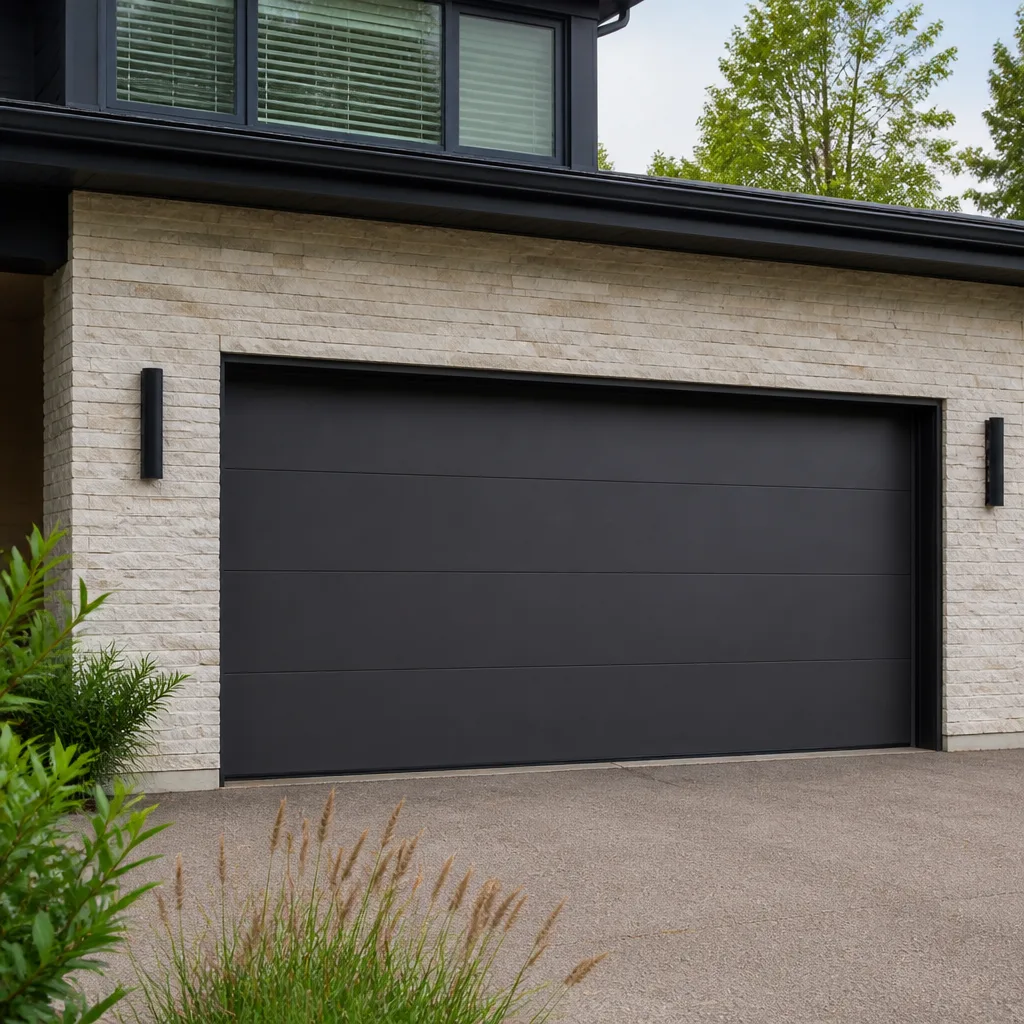 Modern flush
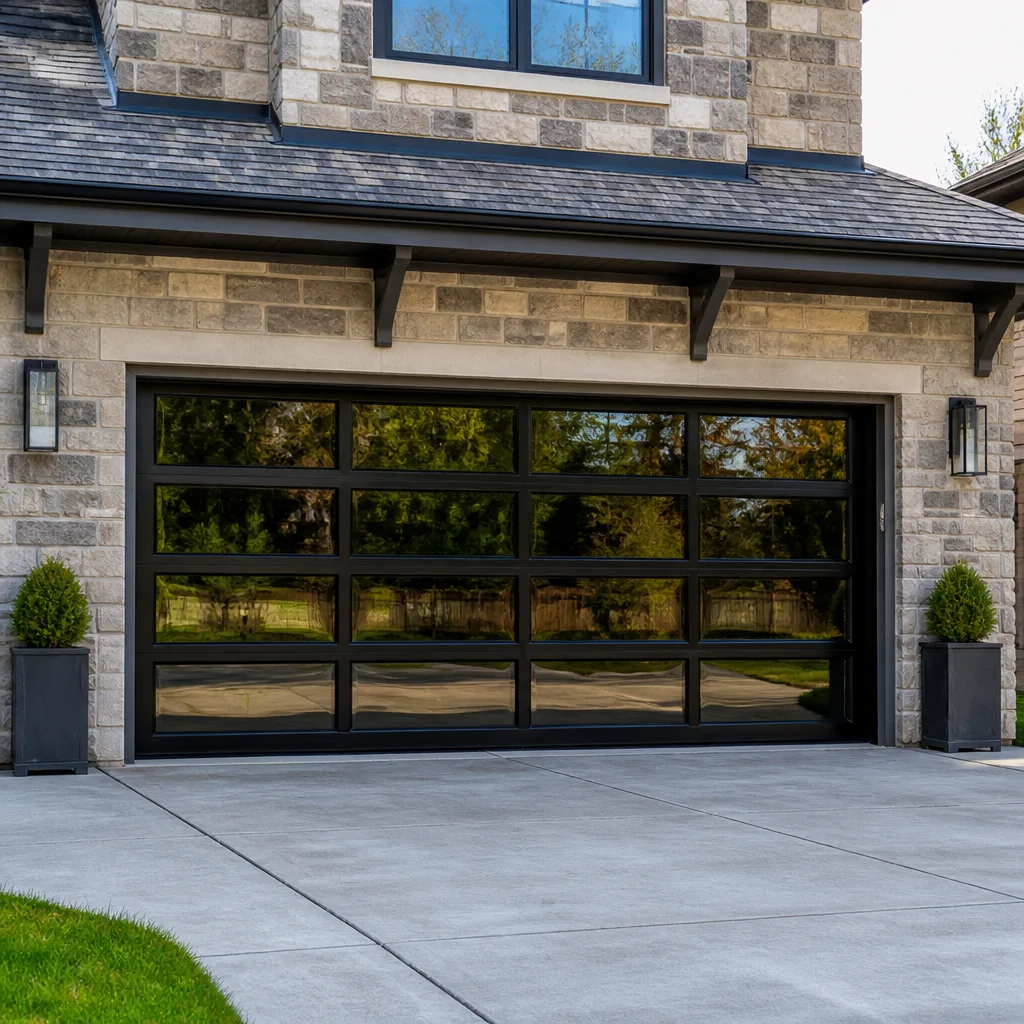 Full-view glass
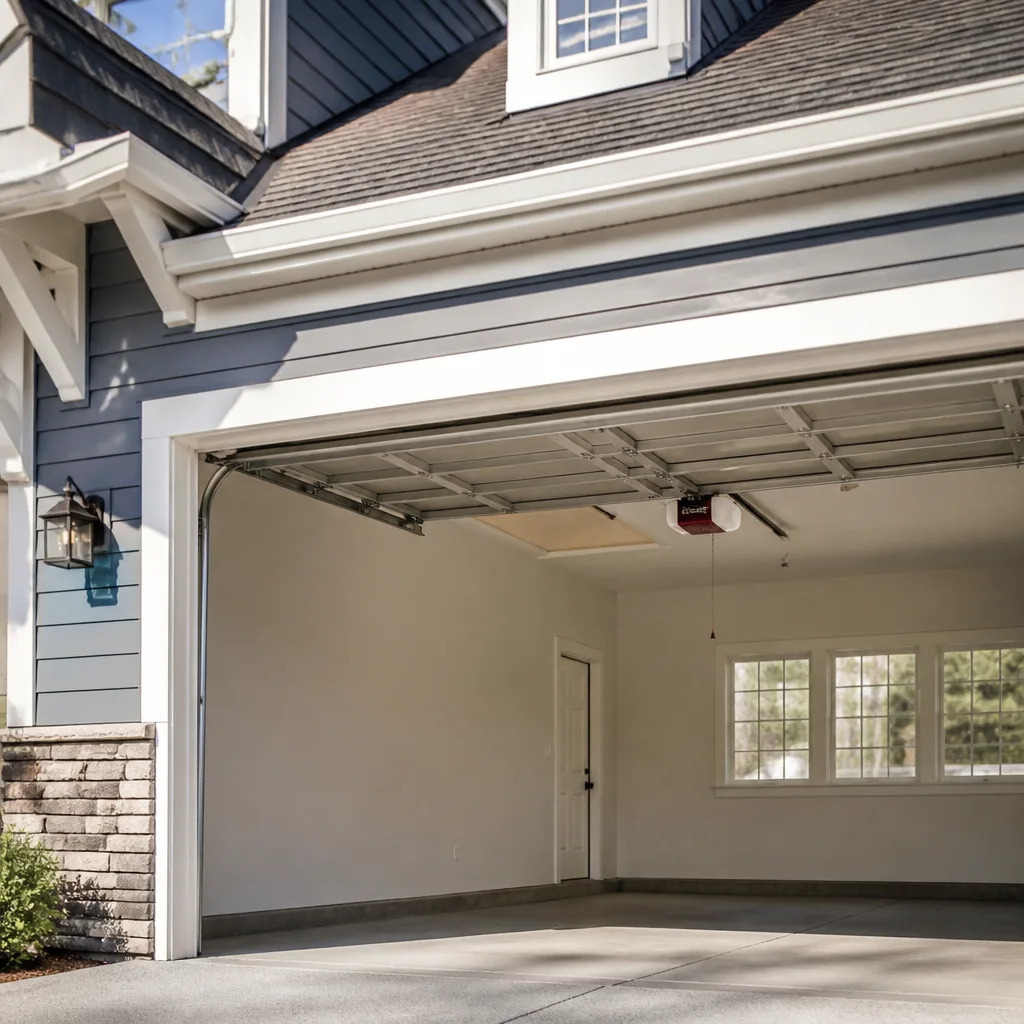 LiftMaster openers
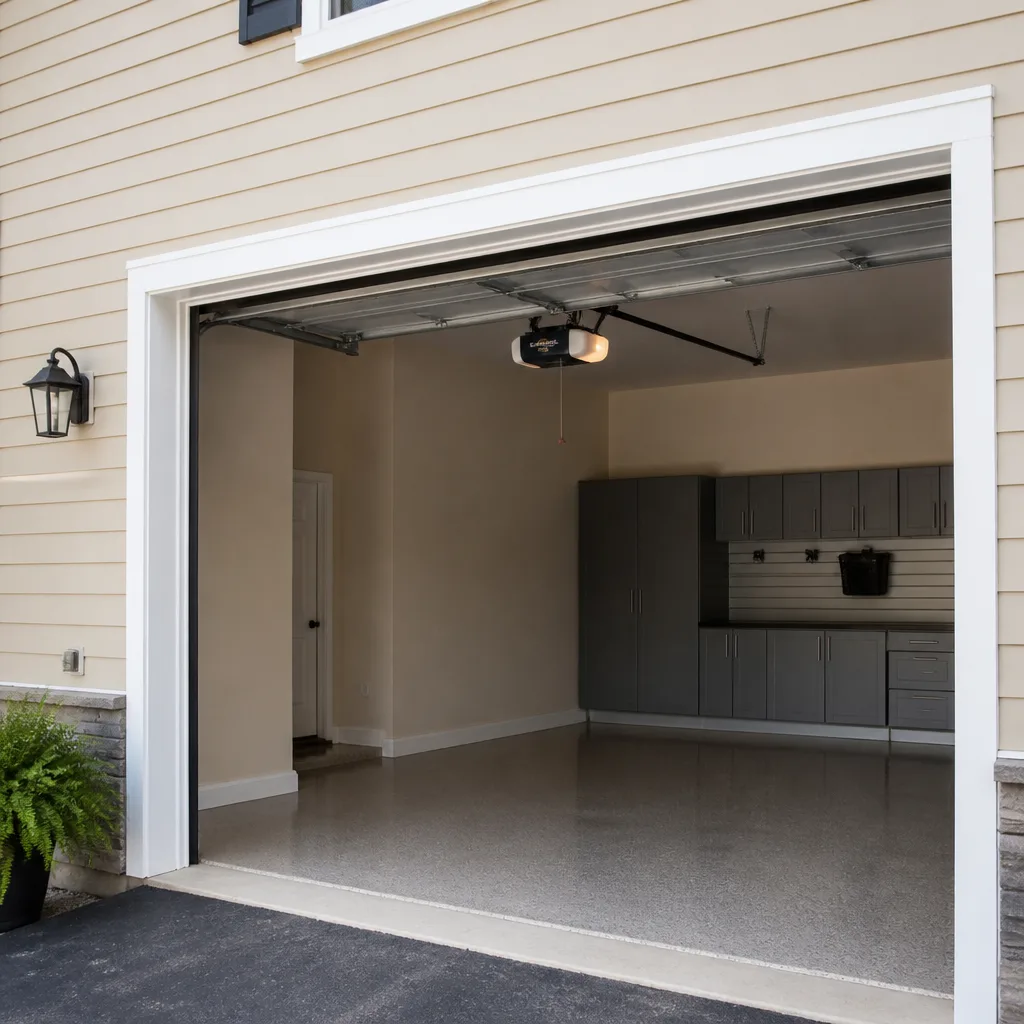 Chamberlain openers
Full 25-point door and opener safety check with every visit - springs, cables, rollers, tracks, and your LiftMaster or Chamberlain opener included
You get a price before we start. It does not change when the pro arrives.
Get your free estimateSeasonal Garage Door Care for Elmhurst: Year-Round Homeowner’s Guide
The garage door failures we see most often in Elmhurst don’t start with age. They start with the freeze-thaw cycle that runs from November through March, a stretch that quietly wears out bottom seals, shifts tracks, and works springs harder than most homeowners realize until something snaps. A door that ran fine in October can feel stiff and loud by the first hard January morning, and the damage usually began weeks earlier. This guide breaks that cycle into a calendar you can actually follow, month by month, using what Elmhurst weather really does to a door. You’ll learn when to check, what to leave alone, and when a pro should be the one looking.
Quick Answer
Seasonal garage door care in Elmhurst means matching maintenance to the local weather: seal and tighten everything in fall before the first freeze, watch for spring tension stress in January and February, deal with humidity and panel issues in summer, and clear debris and check the opener’s backup before winter storms. Most of the work is inspection and small adjustments done at the right time. The high-risk parts – springs, cables, and track alignment – are left to a trained technician.
Styles & brands we work with
- Raised-panel steel
- Carriage house
- Modern flush
- Full-view glass
- LiftMaster openers
- Chamberlain openers
Table of Contents
- Why Elmhurst Weather Is Hard on Garage Doors
- The Month-by-Month Care Calendar
- Why Springs Fail in January and February
- Weatherstripping: Replace or Reseal?
- Summer Humidity and Wood Door Panels
- Getting Your Opener Ready for Winter Power Outages
- Tracks, Rollers, and Hardware Through the Seasons
- What Seasonal Care and Common Fixes Cost in Elmhurst
Why Elmhurst Weather Is Hard on Garage Doors
Elmhurst sits in a part of the Chicago suburbs where the weather swings hard and fast. A week of single-digit nights can be followed by a 45-degree afternoon, then another deep freeze. That pattern is the real enemy of a garage door. Metal contracts in the cold and expands when it warms, and every one of those swings puts a little more stress on the moving parts.
Here’s what that means in practice for a home in Elmhurst:
- Freeze-thaw cycles push water into small gaps around the bottom seal and track, then freeze it. Ice expands and pries seals loose and nudges tracks out of line.
- Deep cold thickens the lubricant on springs, hinges, and rollers, so the door works harder and the opener pulls more current.
- Heavy spring rain drives moisture against the door face and into the garage, which is rough on wood panels and steel seams.
- Humid summers swell wood and can cause warping if the finish isn’t maintained.
None of this is about the door being old or cheap. A well-built garage door repair plan starts with understanding the local pattern, because the timing of a small adjustment is what keeps it from turning into a big fix. Neighborhoods across Elmhurst – from the older homes near the downtown core to the newer builds on the city’s edges – all deal with the same seasonal rhythm.
The Month-by-Month Care Calendar
Generic advice says “prep in fall, check in spring.” That’s too vague for an Elmhurst door. The local climate creates a specific sequence of problems, and the tasks below are ordered to get ahead of each one. Treat this as your yearly reference.
- October: Inspect and reseal the bottom seal and side weatherstripping. Lubricate springs, hinges, and rollers with a garage-door-rated lubricant. Tighten the track bolts and hinge screws. This is your last easy window before the cold locks things in.
- November: Test the door’s balance by hand (with the opener disconnected) to feel for stiffness. Check the opener’s safety reverse. Clear gutters and the apron in front of the door so meltwater drains away instead of pooling and refreezing.
- December: Listen for new noises. A door that suddenly sounds louder or labors is telling you the cold has changed something. Check the light beam sensors are clean and aligned.
- January: The peak month for spring stress. Watch for a door that won’t open fully, feels unusually heavy, or makes a sharp bang. Don’t force it.
- February: Same vigilance as January. Clear ice from the bottom of the door opening so the seal isn’t torn by a frozen chunk.
- March and April: As things thaw, check the tracks and seals for gaps and ice damage. Heavy rain season – make sure water isn’t pooling at the threshold.
- May through August: Inspect wood panels for swelling, cracking, or peeling finish. Check the opener and hardware for smooth operation in the heat.
- September: A mid-year tune-up: re-lubricate, re-check balance, and look for anything that drifted over the summer before the cycle starts again.
You can do most of these steps yourself. The spring and cable work is where you stop and call a professional.
Why Springs Fail in January and February
Garage door springs carry the full weight of the door, and cold weather is brutal on them. In January and February, when Elmhurst sees its deepest and most persistent cold, spring failures spike. The metal gets more brittle, the lubricant thickens, and the door cycles more heavily. A spring that was already near the end of its life tends to go in that window rather than on a mild fall day.
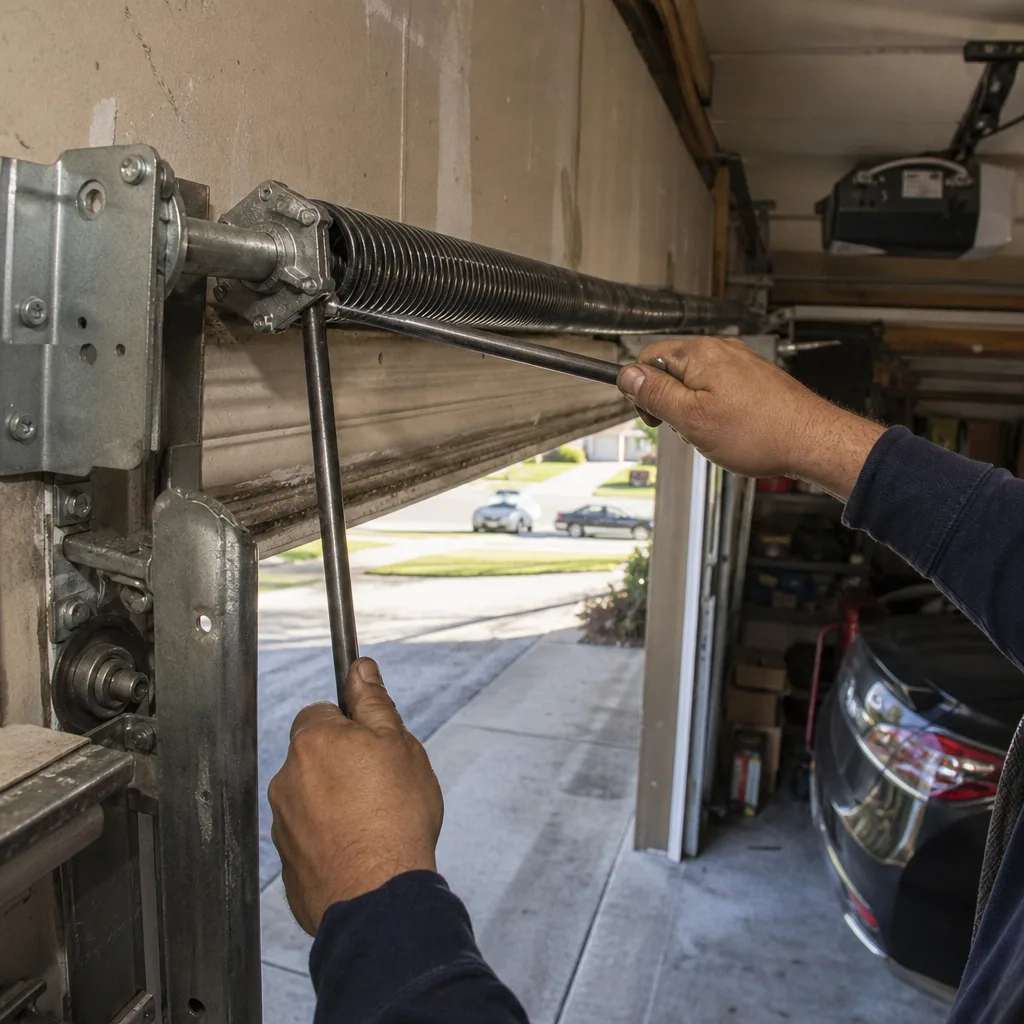
A pre-winter tension check matters, but it isn’t a DIY job. Torsion springs are under high tension even when the door is down, and extension springs can store serious energy too. Adjusting or testing them by hand is how homeowners get hurt. What you can safely do is observe and report:
- Does the door feel balanced, or does it drop or rise on its own when you let go halfway up (with the opener disconnected)?
- Do you hear a sharp bang from the garage, followed by the door feeling very heavy? That’s a sign of a broken spring.
- Is the door crooked or does it only open partway? That points to a spring or cable problem.
If any of those show up, stop using the door and call for garage door spring repair. Our technicians have up to 13 years of experience and treat spring work as a core specialty rather than a referral, because it’s one of the most commonly mishandled jobs in the trade. Forcing a door with a bad spring can bend tracks and damage the opener on top of the spring itself.
Weatherstripping: Replace or Reseal?
Elmhurst’s freeze-thaw cycle attacks weatherstripping in a predictable way. Water gets behind the bottom seal, freezes, and expands. That loosens the seal from the door, tears the rubber, and leaves a gap. The same thing happens along the sides. The result is a drafty door that lets cold air and moisture in and makes the garage work harder to stay tolerable.
The question is whether to reseal or replace. Here’s a simple way to decide:
- Reseal when the seal is intact but has pulled away in one area. A clean, tight fit with no cracks or tears can often be reattached and sealed.
- Replace when the rubber is cracked, brittle, flattened, or torn in multiple spots, or when the bottom seal has hardened to the point it no longer springs back. A hard, flat seal from a cold winter won’t bounce back and will keep letting water in.
- Replace when the gap is wide enough to see light under the door even after adjustment.
Do this inspection in October so a fresh seal is in place before the first freeze. If you wait until the ice has done its work, you’re replacing more often than you need to. A door from a brand like Amarr or Wayne Dalton has specific seal profiles, so it pays to have someone who knows the make and model check it rather than guessing at a universal part.
Summer Humidity and Wood Door Panels
Summer in Elmhurst brings humid stretches that wood doors feel before you do. Wood absorbs moisture and swells, and a panel door with a failing finish will start to warp, cup, or crack along the seams. Warping matters beyond looks: once a panel warps, the door can bind in the track and the opener strains to move it. And a warped panel from moisture damage is often the kind of thing a manufacturer’s warranty won’t cover, because it’s treated as a maintenance issue.
What to do before humidity causes a problem:
- Check the finish. Look for peeling, cracking, or dull spots on wood panels. A good exterior-grade finish is the door’s main defense against moisture.
- Touch up bare spots. Any spot where the finish has worn through is where water gets in. Seal it before the humid months set in.
- Watch the bottom edges. Panel bottoms near the ground take the most moisture. Check them for softness or swelling.
- Keep the garage ventilated. If your garage holds heat and humidity, a little airflow helps wood dry out between damp spells.
- Address warping early. If a panel is already starting to cup, a professional can tell you whether it can be corrected or needs replacing before it damages the track.
Wood doors are worth the attention. Steel and aluminum doors handle humidity better, but their seams and joints still benefit from a yearly look.
Getting Your Opener Ready for Winter Power Outages
Winter storms in the Chicago suburbs bring power outages, and a garage door opener without backup is a door you can’t open with the remote. The good news is that preparing for this is straightforward. The bad news is that most homeowners wait until the power is already out.
Two things to sort out before the first storm:
- Manual release. Every opener has a red release cord or handle that disconnects the door from the opener so you can lift it by hand. Know where yours is and how it works before you need it. Test it once while the power is on so you understand the feel. A door that’s properly balanced will lift with reasonable effort; a heavy or unbalanced door is hard and unsafe to lift by hand.
- Battery backup. Many modern openers, including LiftMaster and Chamberlain models, support a battery backup that runs the door for a while during an outage. If your opener supports it, keep the battery fresh. Check it before winter so it’s ready when a storm hits.
If your opener is an older Craftsman or another legacy model, it may not have backup capability, which is worth knowing ahead of time. If you’re considering an upgrade, this is the season to plan it. We handle garage door opener repair across both smart-home brands and older systems, so we can diagnose what you actually have rather than guess. And if a door gets stuck open during a storm, that’s a security issue – our emergency service is there for situations that can’t wait for the next business day.
Tracks, Rollers, and Hardware Through the Seasons
The tracks and rollers are where the freeze-thaw cycle does its quiet work. When ice forms in the track or the ground shifts slightly under a freeze, the track can go out of alignment. A door that runs slightly off-track wears its rollers unevenly and puts extra load on the opener. Left alone, it can bend the track or damage the door.
What to watch through the year:
- Loose bolts and screws. Vibration from daily use and temperature swings loosen the hardware that holds the track and hinges. A monthly pass with a wrench on the visible bolts is a cheap habit.
- Roller wear. Nylon rollers last longer than steel ones but still wear. Look for flat spots or wobble.
- Track alignment. The door should run smoothly and level. If it rubs on one side or hesitates, the track may have shifted. Don’t bend the track yourself to compensate; alignment is a professional adjustment.
- Lubrication. A garage-door-rated lubricant on springs, hinges, and rollers keeps things moving in cold weather. Avoid heavy grease that thickens in the cold.
If your door is from a brand like Raynor or Craftsman, the hardware has its own design details, and using the right parts matters. That’s where brand familiarity helps – knowing the make and model is the difference between a fix that lasts and one that comes back.
What Seasonal Care and Common Fixes Cost in Elmhurst
Seasonal care itself is mostly inspection and adjustment, and the cost depends on what the inspection turns up. The common repairs that come out of a seasonal check fall into a fairly predictable range. These are typical estimates for the Elmhurst market, and a written estimate sets the final price before any work starts.
| Service | Typical estimated cost |
|---|---|
| Spring repair (one spring) | $180 – $340 |
| Spring replacement, matched pair | About twice the one-spring range |
| Bottom seal or weatherstripping replacement | $120 – $260 |
| Track adjustment or realignment | $90 – $200 |
| Roller replacement | $80 – $180 |
| Opener repair | $120 – $320 |
Two things are worth saying plainly. First, if you have a broken spring, plan on the matched pair. Springs are usually replaced in pairs because they wear together, and a pair costs about twice the one-spring range. Second, the price is quoted and agreed before any work begins, so a seasonal check doesn’t turn into a surprise invoice. Call (833) 868-2688 for a free estimate.
Common Mistakes to Avoid
- Greasing the tracks. Tracks should stay clean and dry; lubricant on the track collects grit and makes the door drag. Lubricate the springs, hinges, and rollers instead.
- Testing springs by hand. Torsion and extension springs are under heavy tension. Probing or adjusting them yourself is the most common way homeowners get seriously hurt. Leave spring work to a trained professional.
- Waiting until the door fails. In Elmhurst, the freeze-thaw pattern means the failure is often set in motion weeks before it shows. A fall inspection catches small problems while they’re still small.
- Ignoring a hard, flat bottom seal. A cold-hardened seal won’t bounce back after winter, and it keeps letting water in. Replace it in fall rather than reseal a worn-out seal.
- Forcing a stuck door. If the door is heavy, crooked, or only opens partway, forcing it bends tracks and strains the opener. Stop and call.
- Overlooking opener backup before winter. A storm outage with no battery backup and an unlearned manual release leaves you locked out of the garage.
- Letting wood panels go unsealed. A small finish failure in spring becomes a warped panel by summer, and warping that voids a panel warranty is expensive to fix.
See the difference
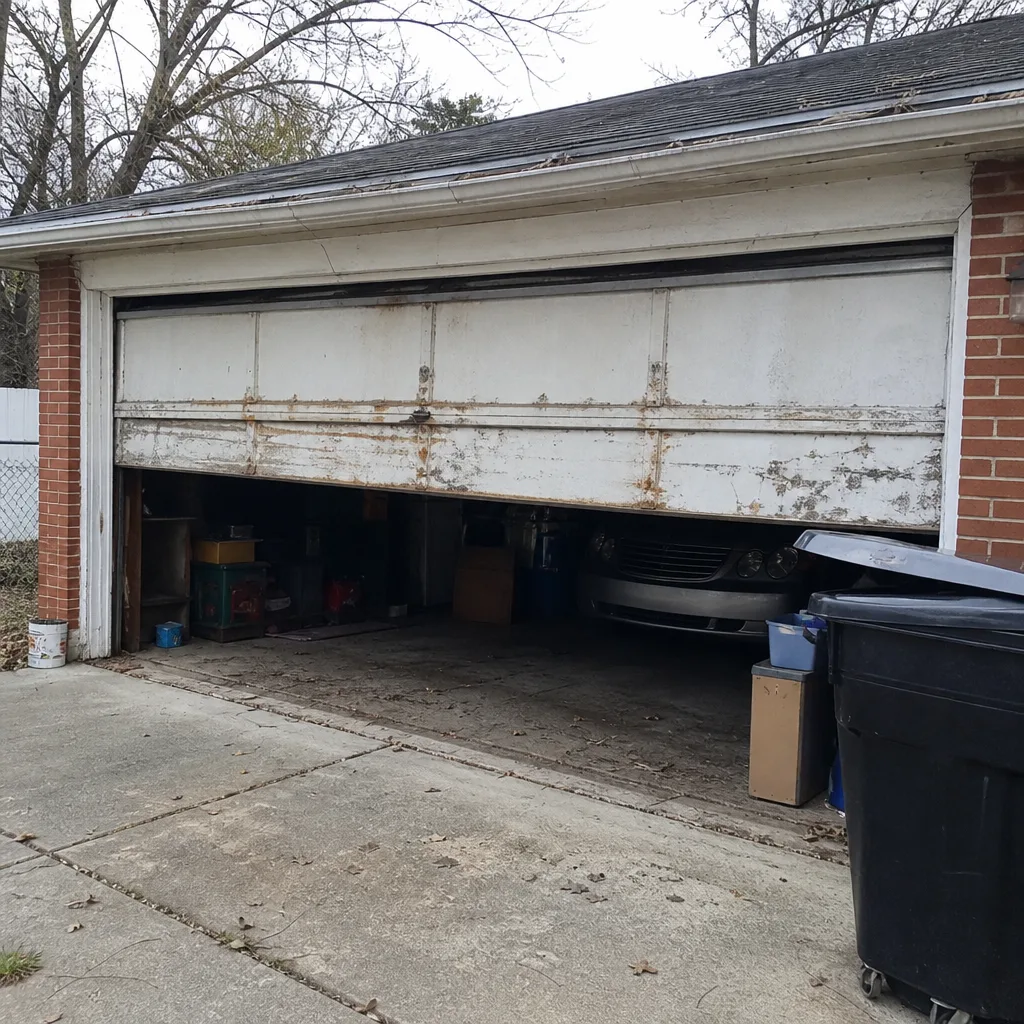 Before
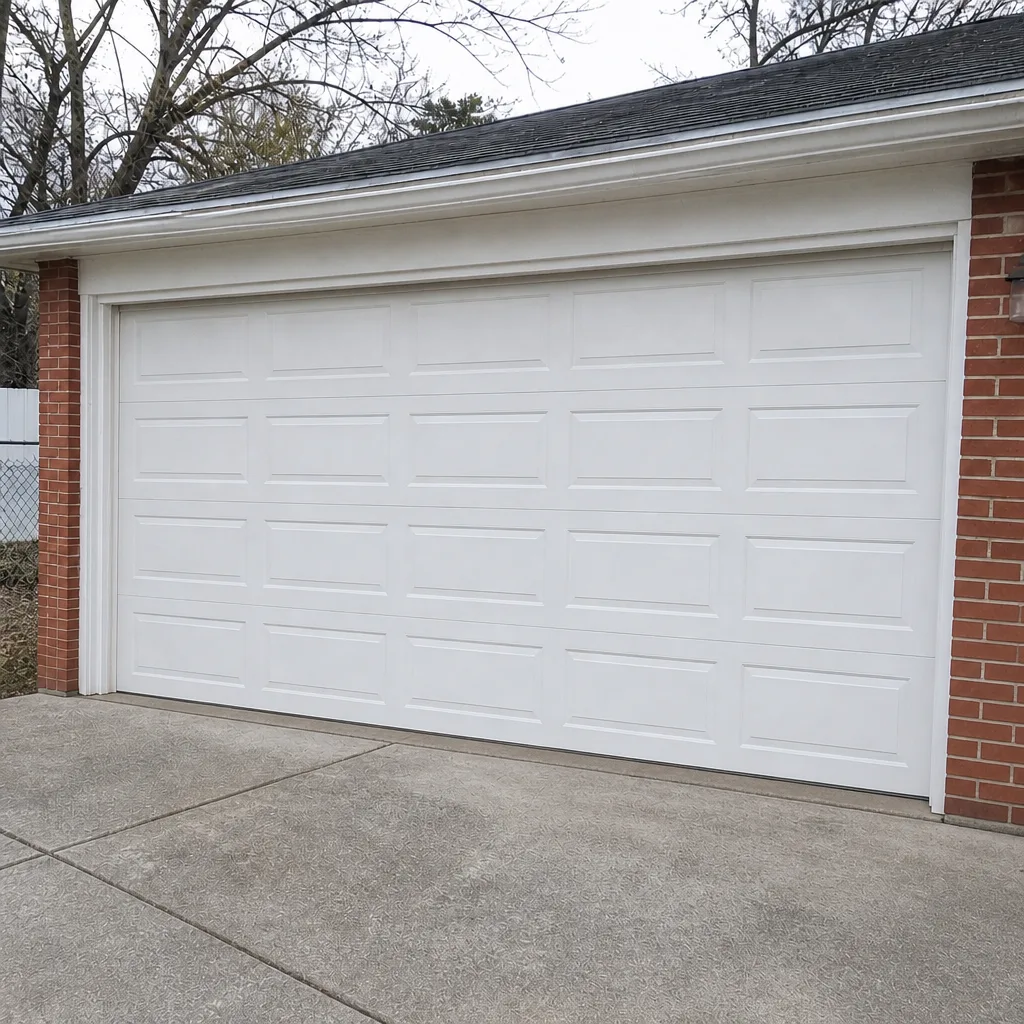 After
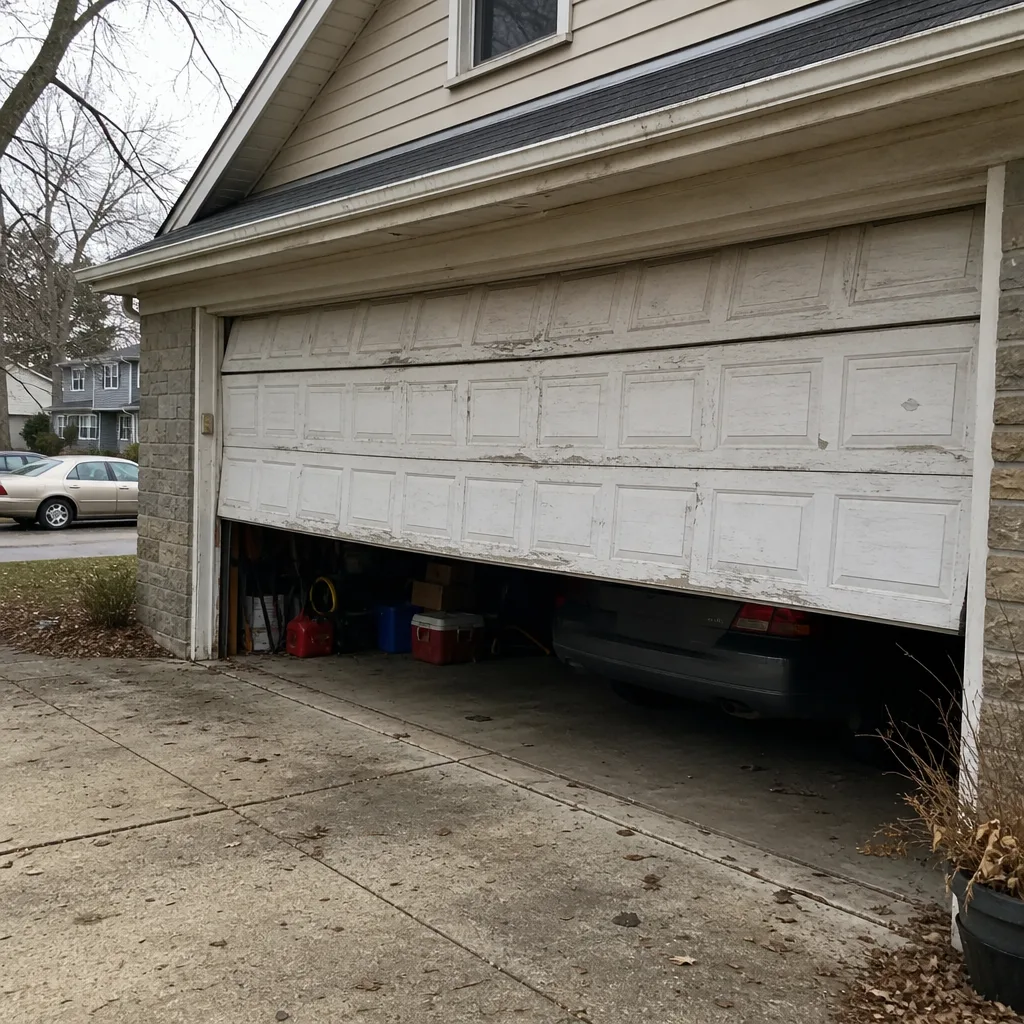 Before
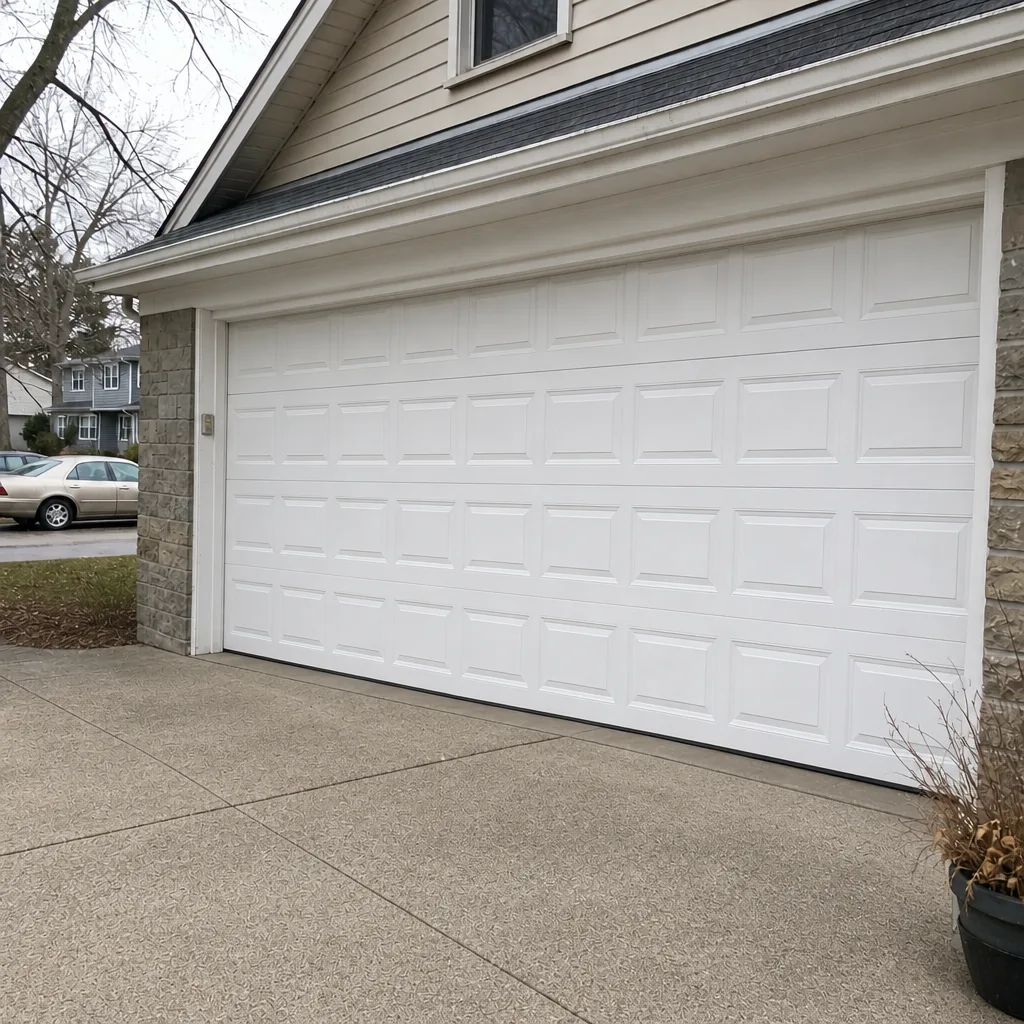 After
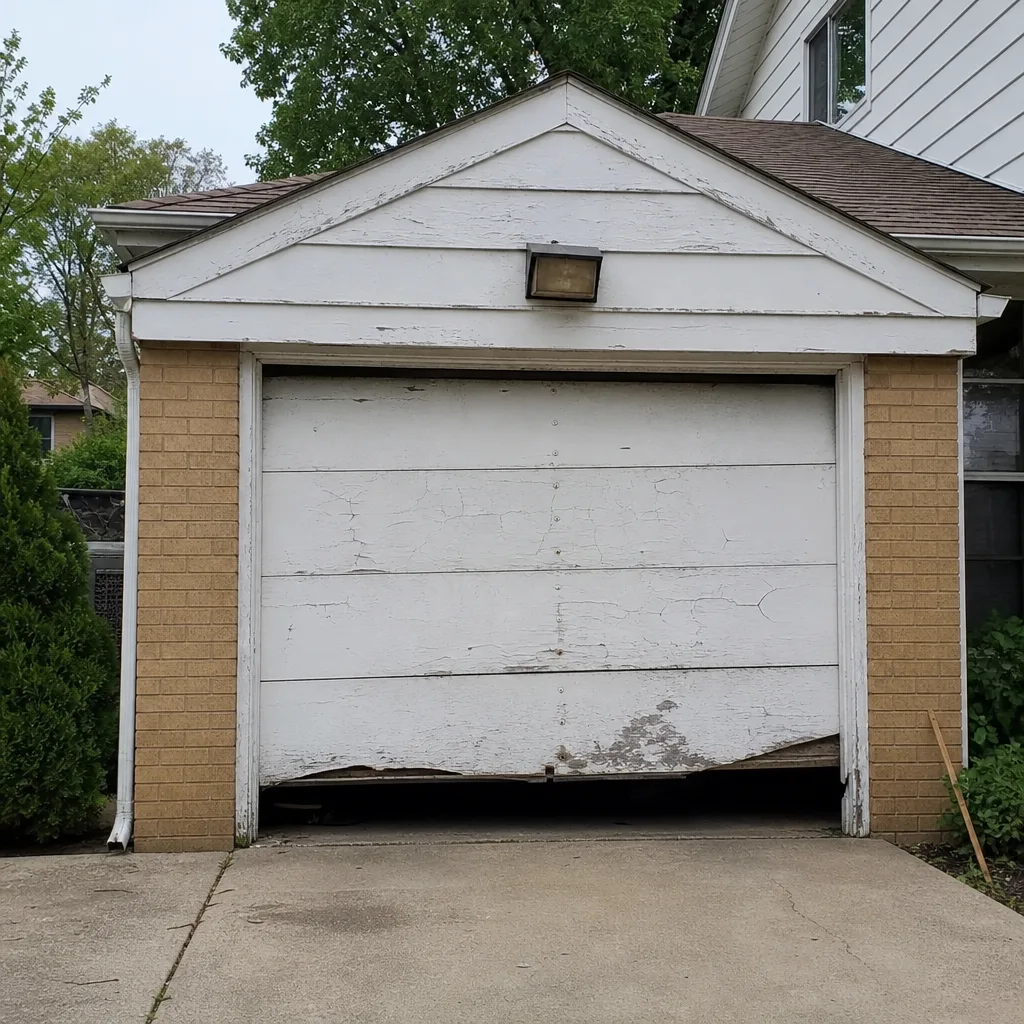 Before
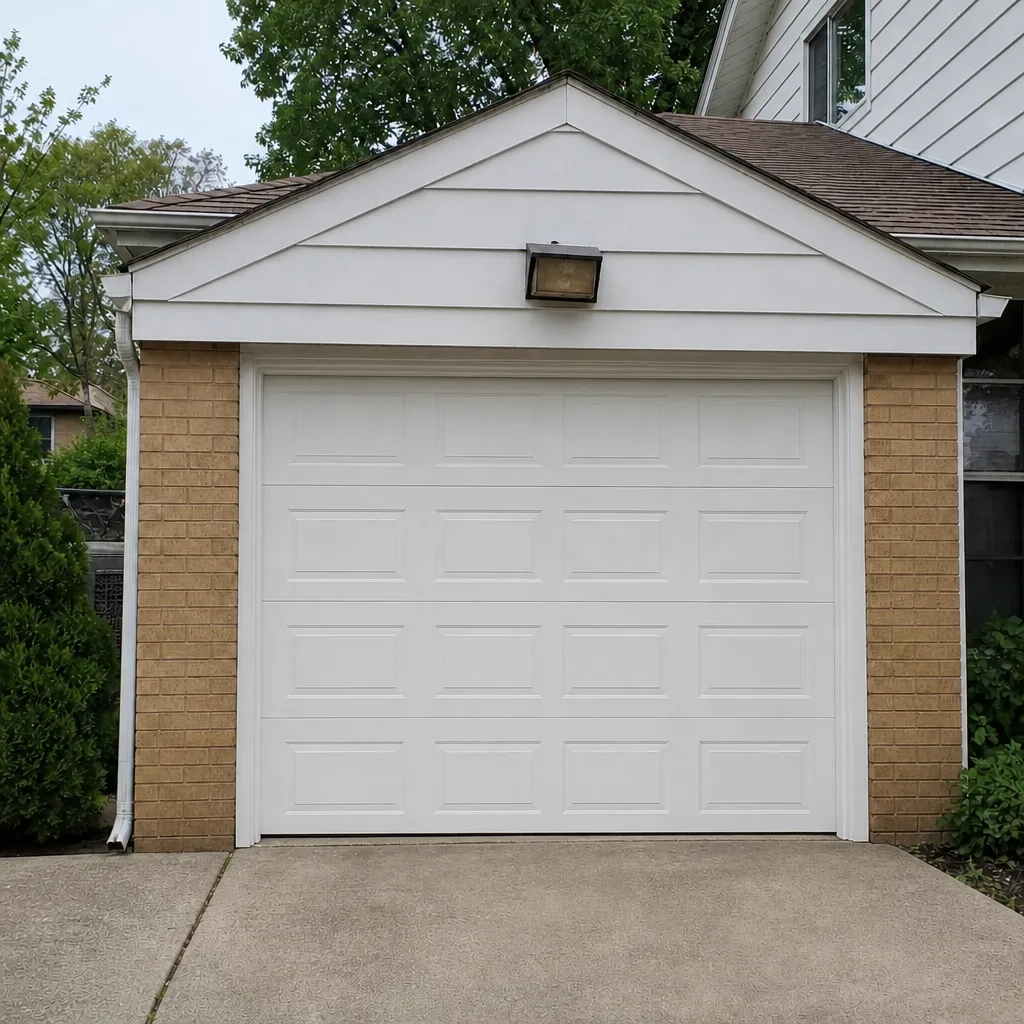 After
When to Call a Professional
Some jobs are worth a DIY pass. Others aren’t. Call a professional when a spring breaks, when the door feels heavy or unbalanced, when a cable looks frayed or loose, or when the door runs crooked or binds in the track. Call if the opener strains or won’t reverse, or if a storm has left the door stuck open and you need it secured. Elmhurst Garage Door Repair Co offers free estimates in Elmhurst – call (833) 868-2688 and we’ll take a look. If it’s genuinely urgent, our emergency service covers situations that can’t wait for the next business day. We’ll tell you what’s actually wrong and quote the price before any work starts.
Frequently Asked Questions
October is the best time. That gives you a window before the first hard freeze to reseal the bottom and side weatherstripping, lubricate the hardware, tighten loose bolts, and check the opener’s backup. Doing it in October means the cold arrives with the door already in shape.
Cold makes spring metal more brittle and thickens lubricant, so the spring works harder and fails more often during the deep cold of January and February. A spring that was already near the end of its life tends to go in that window. A pre-winter check catches the warning signs before the door strands you. Call (833) 868-2688 for an exact quote on spring repair.
Spring repair for one spring typically runs $180 to $340 in the Elmhurst area, and a matched pair costs about twice that. The written estimate sets the final price, and the price is agreed before any work begins. Call (833) 868-2688 for an exact quote – estimates are free.
You can reseal a seal that’s intact but pulled loose. You should replace it when the rubber is cracked, torn, or hardened hard enough that it no longer springs back. For a brand-specific profile on a door like an Amarr or Wayne Dalton, have a technician match the right part.
Use the manual release cord or handle on your opener to disconnect the door, then lift it by hand. That works best if the door is properly balanced, so test it while the power is on. If your opener supports battery backup, keep the battery fresh before storm season. Call (833) 868-2688 if the door is too heavy to lift by hand.
Wood absorbs moisture and swells, and a failing finish lets it warp, cup, or crack along the seams. Warping can also make the door bind in the track. Check and touch up the finish before the humid months and address any panel that’s starting to cup.
The Bottom Line
Elmhurst’s freeze-thaw cycle, humid summers, and stormy springs create a predictable calendar of garage door problems – and most of them can be headed off with timely inspection and small adjustments. Seal and lubricate in fall, watch for spring stress in January and February, manage wood and humidity in summer, and prepare for winter power outages before the cold hits. Leave the springs, cables, and track alignment to a trained professional. If the inspection turns up something you don’t want to handle, Elmhurst Garage Door Repair Co is one call away for repair, opener service, or a full new door. Call (833) 868-2688 for a free estimate.
Written by the team at Elmhurst Garage Door Repair Co.